
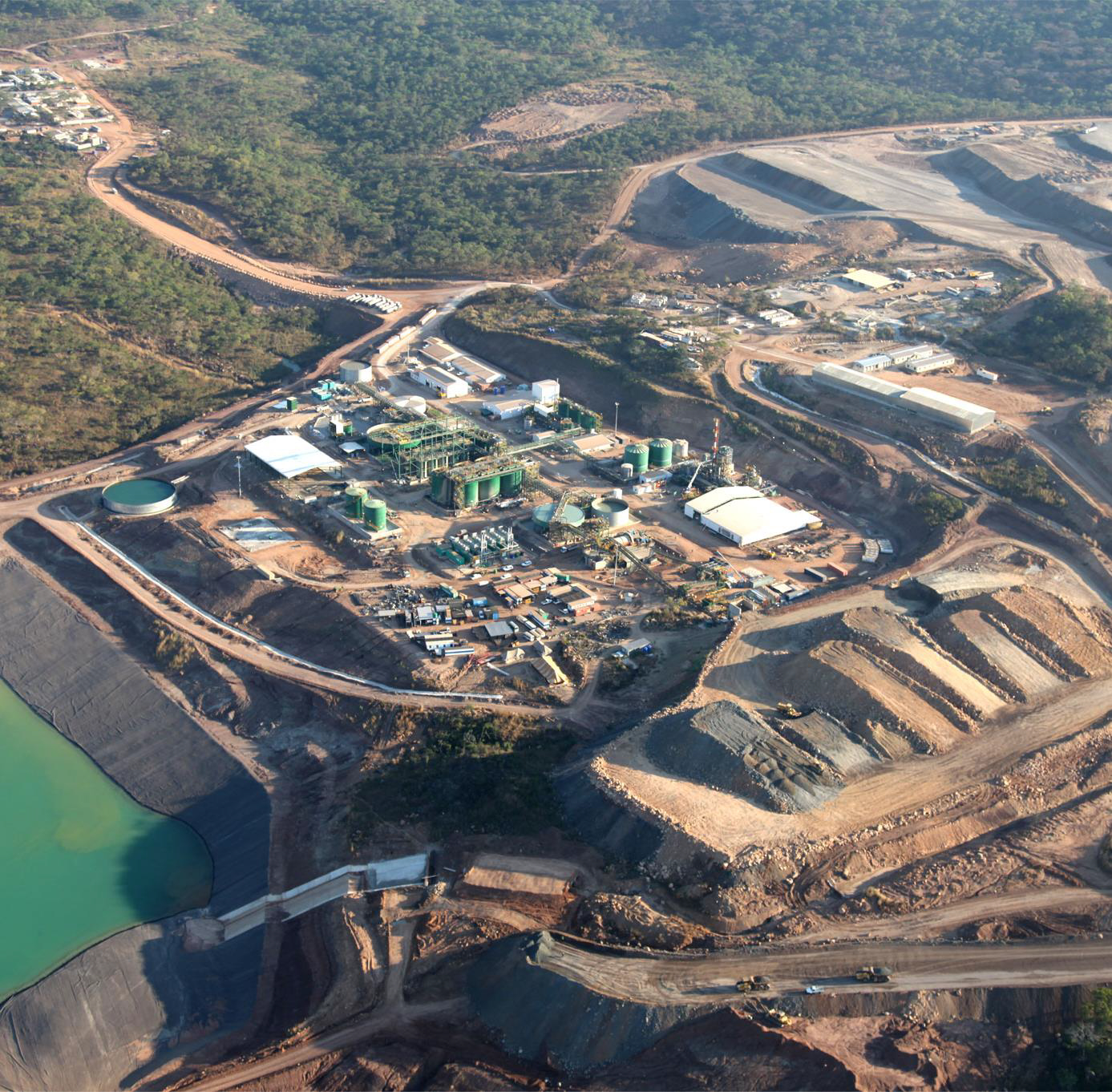
Kayelekera Mine in Karonga
* Malawi’s mining sector requires a coherent, execution-focused growth strategy, one that aligns regulation, infrastructure, industrial policy, and investment promotion
* With the right policy mix, the sector can shift from marginal contribution to a central pillar of economic transformation
By Chifipa Mhango, Chief Economist- Don Consultancy Group
Malawi’s mining sector presents a paradox, a country endowed with uranium, rare earths, graphite, and gemstones, yet recording mining GDP growth rate trends that remain disconnected from its mineral potential, as depicted in the figure below.

This divergence is not geological, it is fundamentally policy-driven.
At the core of the challenge lies the need to transition from resource potential to policy execution. While Malawi has made progress in establishing a modern legal framework, the sector continues to be constrained by regulatory delays, institutional capacity gaps, and infrastructure limitations.
Addressing these constraints is critical to unlocking investment and accelerating production.
A priority area is the licensing and regulatory regime. Investors require speed, transparency, and certainty. The introduction of a digital mining cadastre system, coupled with clear statutory timelines for approvals, would significantly reduce entry barriers and improve investor confidence.
Policy credibility, in this regard, is as important as policy design.

Advertisement
Equally important is the strengthening of institutional capacity. Effective sector governance requires well-resourced regulatory institutions with the technical capability to oversee contracts, enforce compliance, and coordinate across government.
Without this, even well-crafted policies risk underperformance.
Malawi must also recognise the untapped potential within artisanal and small-scale mining (ASM). A significant portion of mineral activity remains informal, resulting in lost revenues and limited economic linkages.
Formalisation through licensing, cooperatives, and structured mineral markets offers a pathway to immediate gains in both output and fiscal receipts.

Kangankunde rare earths mine in Balaka being developed by Australian company Lindian Resources
Beyond extraction, the next phase of growth lies in value addition and mineral-based industrialisation. Exporting raw minerals limits economic impact. Strategic incentives for processing, aligned with broader industrial policy, can position mining as a catalyst for manufacturing and export diversification.
I, therefore, support the current position by the current Malawi Government to limiting raw mineral exportation.
Infrastructure remains a binding constraint in Malawi, across the board. Energy reliability and transport networks are essential to lowering operational costs and unlocking remote deposits.
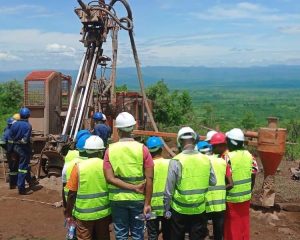
A coordinated approach, leveraging public-private partnerships, will be key to developing mining corridors that integrate production with logistics.
Ultimately, Malawi’s mining sector requires a coherent, execution-focused growth strategy, one that aligns regulation, infrastructure, industrial policy, and investment promotion.
With the right policy mix, the sector can shift from marginal contribution to a central pillar of economic transformation.
The opportunity is clear, Malawi does not need to discover more minerals as the process has been exhausted based on the information I have across all Exclusive Prospecting Licences (EPLs) currently available.
The country just needs to better govern, develop, and integrate the ones it already has for the trend in Mining GDP growth rate of Malawi below does not reflect progress at all.

Chifipa Mhango
* Chifipa Mhango is the Chief Economist and Director of Economic Research & Strategy at Don Consultancy Group SA Ltd, specialising in macroeconomic analysis, public policy, and governance across emerging markets, particularly in Africa. He is known for providing data-driven insights on economic trends, fiscal policy, and institutional accountability, with a strong focus on strengthening economic and governance frameworks

Advertisement