
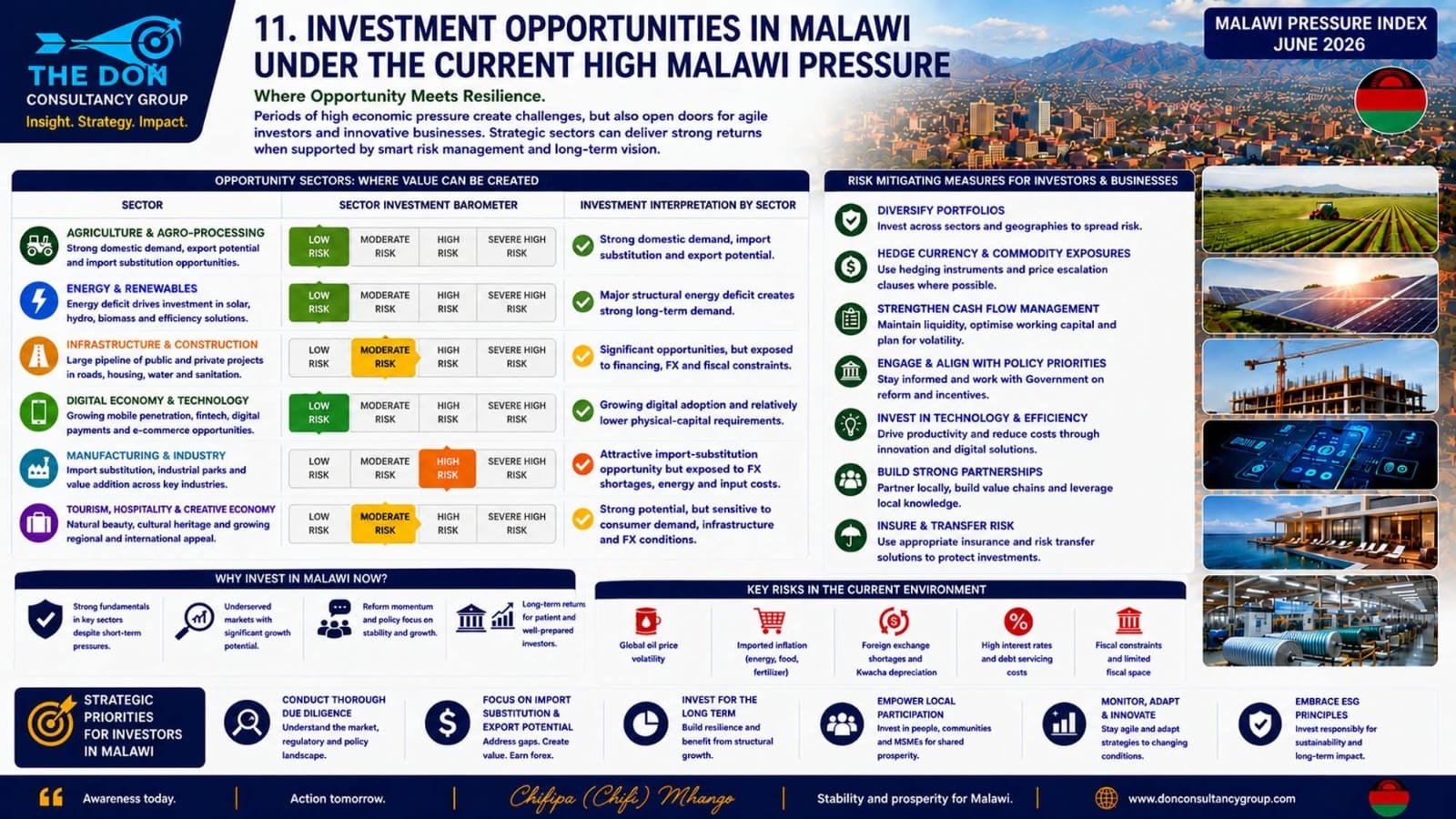
* Malawi Pressure Index (MPI) of 78 highlights where strategic capital can created value
* Periods of high economic pressure invariably create challenges, but they can also expose structural gaps, underserved markets and unmet demand
Maravi Express
Executive Director of Economic Research & Strategy Chief Economist for Don Consultancy Group (DCG), Chifi Mhango, who spearheaded the creation of the inaugural Malawi-Pressure-Index (MPI), further unwraps the economic impact of the analysis in relation to the country’s investment opportunities.
Mhango, who is also the DCG Chief Economist, has also analysed the impact of the MPI on the country’s inflation rate as well as its relation to the Gross Domestic Product (GDP).
He thus further indicates that the economy — currently operating under significant pressure — with the MPI standing at 78 as of June 2026, placing it firmly within the High-Pressure category, “highlights the difficult macroeconomic and operating environment facing businesses, investors and households”.
However, Mhango reports that this “should not be interpreted as a signal that Malawi has become an unattractive investment destination”.
He reports: The current environment provides a clear indication of where strategic investment can potentially create value.
Periods of high economic pressure invariably create challenges, but they can also expose structural gaps, underserved markets and unmet demand.
For agile investors and innovative businesses, these gaps can become opportunities, particularly where investment can address essential needs, reduce import dependence, improve productivity, strengthen domestic value chains and generate foreign-exchange earnings.
The latest assessment by the DCG, therefore, points to an investment proposition that is based on selectivity, resilience, careful risk management and a long-term strategic perspective.

Advertisement
Malawi continues to present opportunities across agriculture & agro-processing, energy & renewables, infrastructure & construction, the digital economy & technology, manufacturing & industry, as well as tourism, hospitality and the creative economy.
The significance of the MPI reading of 78 is that investors cannot approach Malawi’s market with a conventional investment strategy that assumes stable macroeconomic conditions.
Foreign-exchange shortages, currency depreciation, imported inflation, high interest rates, energy constraints, fiscal pressures and elevated input costs require investors to be more deliberate about where and how capital is deployed.
Yet these very pressures also reveal some of the areas where Malawi has the greatest unmet investment needs.
Agriculture and agro-processing are among the clearest examples. The sector carries a Low-Risk investment barometer because it is supported by strong domestic demand and offers considerable potential for import substitution and exports.
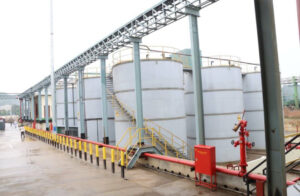
Bakhresa cooking oil factory in Limbe, opened in July 2025, crushes 500 tonnes of soya beans per day
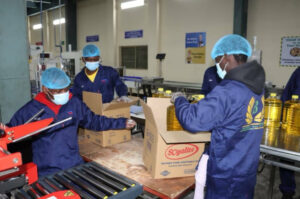
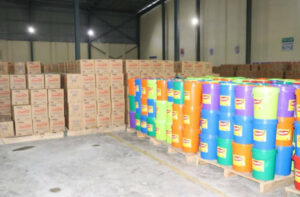
The opportunity extends well beyond primary agricultural production into agro-processing, storage, logistics, packaging, irrigation, agricultural technology and value addition.
In an economy experiencing foreign-exchange constraints, expanding local production and processing can simultaneously address domestic demand, reduce reliance on imports and create opportunities to generate export revenues.
The underlying investment proposition is, therefore, supported by strong domestic demand, import-substitution opportunities and export potential.
The energy and renewables sector, also carrying a Low-Risk investment barometer, represents another area where Malawi’s structural weakness creates a substantial investment opportunity.
The country’s energy deficit remains a major constraint on economic activity, affecting households, manufacturing, agriculture, digital businesses and commercial operations.
Investment in solar, hydro, biomass and energy-efficiency solutions can help address this structural bottleneck while creating commercially viable opportunities.
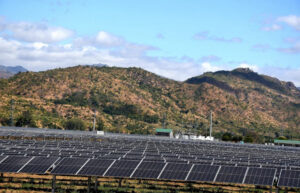
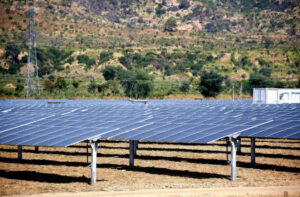
Golomoti Solar Power Plant in Dedza commissioned in 2022
The scale and persistence of the energy deficit suggest that demand for reliable energy solutions is not simply cyclical but represents a long-term investment opportunity.
Infrastructure and construction, with a Moderate-Risk investment barometer, also provide significant room for investment. Opportunities exist in roads, housing, water, sanitation and other public and private infrastructure projects.
Infrastructure development can unlock productivity, facilitate trade and support broader economic transformation. However, investors must recognise that the sector is exposed to financing constraints, foreign-exchange shortages and fiscal pressures.
The opportunity is, therefore, significant, but investment structures need to be carefully designed around financing availability, currency risks, project viability and the broader fiscal environment.
At the same time, Malawi’s digital economy and technology sector offers a particularly interesting opportunity and carries a Low-Risk investment barometer.
Growing mobile penetration, fintech, digital payments, e-commerce and technology-enabled services are creating new commercial possibilities.

Advertisement
Many digital businesses also require relatively less physical capital than traditional industries, which can be an advantage in an environment where access to capital and foreign exchange is constrained.
Greater digital adoption can improve productivity, expand financial and commercial access and create new ways for businesses to serve consumers.
The combination of growing adoption and relatively lower physical-capital requirements therefore strengthens the investment case.
The manufacturing and industry sector, however, carries a High-Risk investment barometer, even though its strategic importance to Malawi’s economic transformation remains considerable.
Manufacturing provides opportunities for import substitution, industrialisation and value addition across key industries. Yet manufacturers remain particularly exposed to foreign-exchange shortages, energy constraints and high input costs.
These challenges can affect production capacity, working capital and profitability. Consequently, manufacturing requires more sophisticated risk management, stronger supply-chain planning, appropriate working-capital structures and careful management of foreign-exchange and energy exposure.
Despite these risks, the sector’s import-substitution potential makes it an important area for patient, well-prepared investors.
The tourism, hospitality and creative economy, meanwhile, carries a Moderate-Risk investment barometer and continues to offer considerable potential.

Mulanje Mountain was named a World Heritage Site in 2025

The beauty that is on Mulanje Mountain
Malawi’s natural beauty, cultural heritage and tourism assets provide a foundation for attracting regional and international visitors.
Investment can also support employment, local businesses and domestic value chains. However, the sector remains sensitive to consumer demand, infrastructure constraints and foreign-exchange conditions.
Its investment potential is, therefore, strong, but investors must account for the broader economic environment when assessing tourism and hospitality projects.

Lake Malawi National Park is endowed with beautiful species of fish

Taken together, these sectoral opportunities demonstrate why a High MPI reading should not automatically be interpreted as an absence of investment opportunity. The more appropriate interpretation is that the risk-return equation has changed and investors must be more selective.
There are several reasons why Malawi should continue to attract strategic investor attention. The first is the presence of strong fundamentals in key sectors.
Despite short-term economic pressures, demand remains significant across agriculture, energy, infrastructure, digital services, manufacturing and tourism.
The second is the existence of underserved markets, where insufficient supply creates opportunities for businesses that can provide reliable and competitive products and services.
Third, reform momentum and policy focus can create opportunities for businesses and investors positioned around emerging policy priorities and economic reforms.
Finally, patient and well-prepared investors may be positioned to capture long-term returns as the economy works through its current constraints and moves towards greater stability and growth.
However, the investment case should not obscure the risks. Malawi’s current environment remains exposed to global oil-price volatility, which can influence energy, transport and production costs.
Imported inflation, particularly through energy, food and fertilizer costs, can raise operating expenses and reduce consumer purchasing power.

Foreign-exchange shortages and Kwacha depreciation can affect imports, debt servicing, input costs and profitability.
High interest rates and debt-servicing costs can increase the cost of capital, while fiscal constraints and limited fiscal space can restrict public investment and affect government-supported projects.
For this reason, risk mitigation must be at the centre of investment strategy. Investors should diversify portfolios across sectors and, where appropriate, geographies to spread risk.
Currency and commodity exposures should be managed through appropriate hedging instruments and, where possible, price-escalation clauses in commercial contracts.
Strong cash-flow management is also essential, requiring businesses to maintain adequate liquidity, optimise working capital and plan for volatility.
Investors should further engage and align with policy priorities, remaining informed about government reforms, incentives and national development priorities.

Advertisement
Investment in technology and efficiency can help businesses improve productivity and reduce operating costs, while strong local partnerships can provide market knowledge, local expertise and access to domestic value chains.
Appropriate insurance and other risk-transfer solutions should also be used to protect investments against identifiable operational and commercial risks.
The current environment also calls for a different investment mindset. Investors need to conduct thorough due diligence, understand the market and regulatory environment and assess the policy landscape before committing capital.
They should focus on import substitution and export potential, particularly in sectors capable of addressing domestic supply gaps while generating foreign exchange.
Investment strategies should be designed for the long term, building resilience and positioning for structural growth rather than focusing solely on short-term returns.
Equally important is the need to empower local participation. Investment in people, communities and micro, small & medium enterprises (MSMEs) can help ensure that capital generates broader economic benefits and strengthens domestic value chains.
Investors should also monitor, adapt and innovate, remaining agile as economic conditions evolve.
Finally, the incorporation of ESG principles can help ensure that investment is undertaken responsibly, with consideration given to sustainability, social impact and long-term economic value.
The fundamental investment message emerging from Malawi’s current economic environment is, therefore, one of cautious optimism.

Advertisement
An MPI of 78 clearly demonstrates that the economy is under high pressure, and investors should not underestimate the challenges associated with foreign exchange, inflation, energy, financing and fiscal constraints.
Nevertheless, the same pressure points are highlighting areas where investment is urgently required. The energy deficit is an investment opportunity for renewable energy and efficiency solutions.
Its import dependence creates opportunities for manufacturing and agro-processing. Its infrastructure gaps create opportunities for construction and infrastructure investment.
Growing digital adoption creates opportunities in technology, fintech, digital payments and e-commerce, while the country’s natural and cultural assets create opportunities in tourism, hospitality and the creative economy.
In this sense, Malawi’s current economic pressure points can become its investment opportunity points.
Operating under high economic pressure, as reflected by an MPI of 78, does not mean that investment opportunities have disappeared — it means that investors must become more selective, more innovative and more resilient.
The strongest opportunities are likely to emerge where private capital can solve structural problems, substitute imports, improve productivity, strengthen value chains and create sustainable long-term economic value.
The challenge for Malawi is, therefore, not simply to reduce economic pressure, but to convert the structural gaps revealed by that pressure into productive investment, stronger domestic capacity and sustainable economic transformation.
For investors, the message is equally clear: Malawi requires capital that is patient, strategic, innovative and properly risk-managed.
Those prepared to understand the market, work with local partners, align with policy priorities and invest for the long term can potentially find meaningful opportunities even within a high-pressure economic environment.
Malawi’s economic pressure is real — but so is its investment potential.

Chifipa Mhango
* As Don Consultancy Group Executive Director of Economic Research & Strategy, Chief Economist Chifipa Mhango specialises in macroeconomic analysis, public policy, and governance across emerging markets, particularly in Africa. He is known for providing data-driven insights on economic trends, fiscal policy, and institutional accountability, with a strong focus on strengthening economic and governance frameworks.

Advertisement