
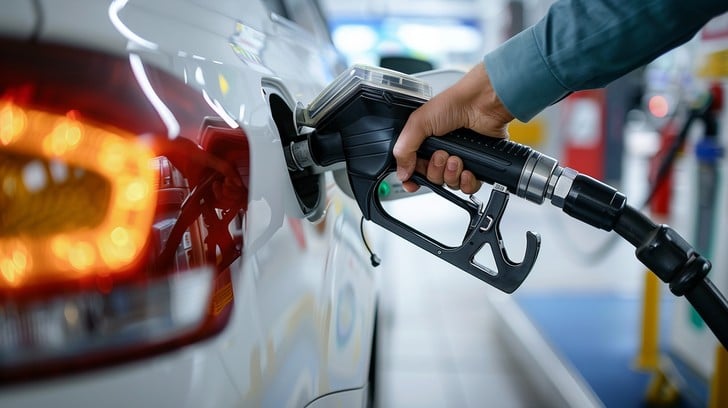
* It is important to understand that both consumers and traders are affected by the fuel price increases and it will be necessary for both parties to recognise that they need each other during these difficult times
* The recent price increase was unexpected but following recent global fuel price increases we expected to experience such fuel prices extended in Malawi
* As well the recent wars in the Middle East that have triggered scarcities of fuel on the market caused by low production of petroleum products
By Duncan Mlanjira
Consumer Association of Malawi (CAMA) contends that the fuel price increase was unexpected but following recent global developments Malawi Energy Regulatory Authority (MERA) simply had to adjust pump prices upwards.

Advertisement
In a statement, CAMA Executive Director John Kapito thus appeals to “every trader including transporters to make sure that they do not take advantage of these increases by unfairly pushing prices beyond the reach of many consumers”.
“It is important to realise that the current prices announced by MERA will have a huge impact on the cost of goods and services” says Kapito, adding that consumers and traders are both affected by the fuel price increases and that “it will be necessary for both parties to recognise that they need each other during these difficult times”.
He emphasised that recent global fuel price increases was expected to be extended into Malawi, which has been exacerbated by the war in the Middle East, which has triggered scarcities of fuel on the market caused by its low production and closure of key routes that supply fuel to most countries.

War in the Middle East
“These external factories have had an effect on the prices of fuel on the local market,” says the CAMA Executive Director, who further implored on the business community, especially public transport service providers “to ensure that their price adjustments are equivalent to the increases of fuel as announced”.
He also called on oil importers “to continue bringing in fuel to avoid local scarcities that will trigger black market prices and force consumers to experience long queues and sleepless nights at filling stations”.
“We would also like to mention that it is important for fuel importers in the country to continue importing fuel to avoid any shortages of fuel on the market, as in the past consumers have suffered more when faced with fuel scarcities more than high prices.
“Our appeal is to ensure that there no fuel scarcities on the market. We are coming from a background where politics influenced fuel prices and as a result, we witnessed consumers spending nights at filling stations.
“We would rather have fuel available on the market than have dry filling stations. We hope that the war between the US and Iran will be resolved soon and allow full production of fuel and opening of routes to markets and that prices can be normalised.”
Meanwhile, Minister of Energy & Mining, Jean Mathanga, has also said the respective 34% and 35% hike on pump prices for petrol and diesel respectively was necessary and unavoidable given the situation across the globe.

At a press briefing held at the Parliament Building in Lilongwe — accompanied by Ministers of Information &Communications Technology, Shadric Namalomba; of Transport & Public Infrastructure, Jappie Mhango; and chairperson for Parliamentary Committee on Natural Resources &Climate Change, Tiaone Hendry — Mathanga indicated that this follows the conflict in the Middle East which has disrupted the supply chain.
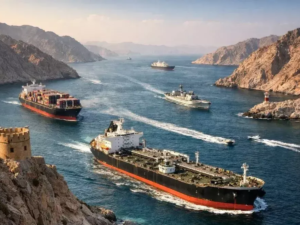
She said at least 106 countries, including Malawi, world over have been affected by the disruption of oil supply chain amid the closure of Hormuz Strait amid the current Middle East conflict.

However, Mathanga said besides the said conflict, the situation in Malawi has been worsened by a number of other factors including lack of forex: “We currently have a problem of forex in the country and we get most of fuel supplies on loan because we can not pay the suppliers promptly and this attracts interests when paying back.”
The Minister also said lack of own ports puts Malawi at a disadvantage compared to other countries such as Mozambique, Tanzania and South Africa where the prices are relatively lower.
She also faulted the previous regime of the Tonse Alliance led by the Malawi Congress Party (MCP) for not responding to global trends in oil pricing as they occurred, saying: “The delay in hiking fuel prices in line with global trends is also another factor that has led to the current situation as the prices that the previous regimes maintained were not realistic on the ground.”
On their part, Ministers Mhango and Namalomba echoed Mathanga, saying there was nothing that could be done to avoid the pump price hike: “As you know, there’s roads levy that is attached to the price of the fuel,” Mhango said. “These funds are very crucial for the rehabilitation of our roads which are currently in bad state.”
Minister Mhango
He added that the Tonse Alliance stopped collecting the levy, a development that led to the dilapidation of the roads in the country due to lack of funds for the rehabilitation, adding that keeping the levy suspended would worsen the situation.
Similarly, Namalomba said keeping the pump price lower than the global trends demand would bring back the “long and endless queues”, adding that with lower prices, the country “won’t be able to pay the suppliers and the fuel will be scarce, giving room for black market to make Malawians suffer by paying even higher prices”.
The Ministers, however, expressed hope that the prices may drop in the event that the conflict in the Middle East comes to an end.—Reporting from the press briefing by Kondwani Magombo, Malawi News Agency (MANA)