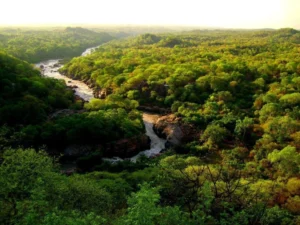
* The land has been actively protected and managed following earlier degradation caused by charcoal burning and illegal logging
* Today, the data shows a recovering miombo forest, hundreds of thousands of young trees coming through, and protected species thriving again
By Duncan Mlanjira
A privately managed indigenous forest, Mpatamanga Wildlife Ranch, along the Shire River in Neno District, is a testimony of a passionate long-term, self-funded woodland restoration programme carried out independently with scientifically verified outcomes.

Advertisement
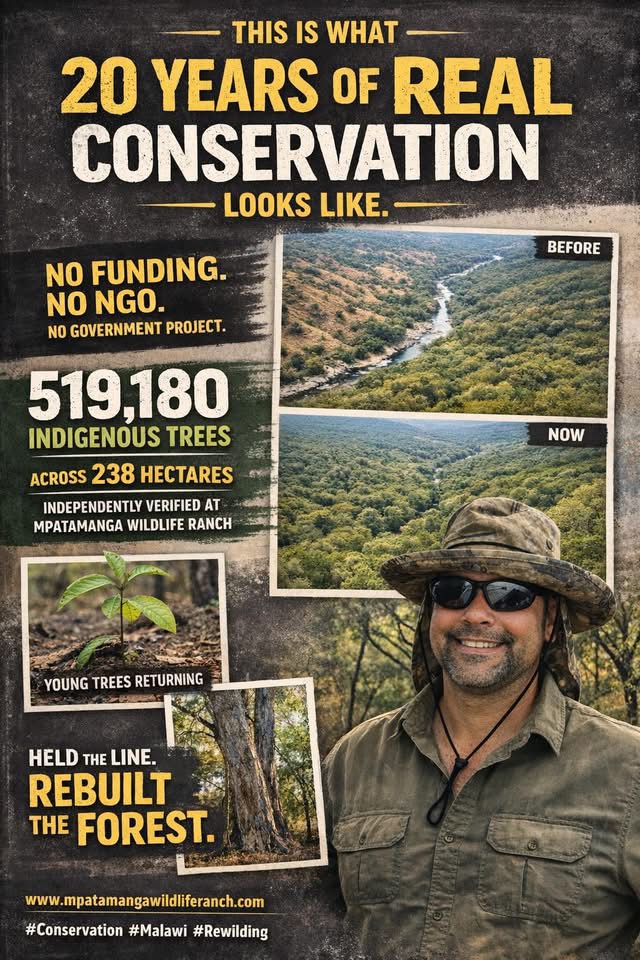
For over more than 20 years, the land has been actively protected and managed following earlier degradation caused by charcoal burning and illegal logging — today, data shows a recovering miombo forest, hundreds of thousands of young trees coming through, and protected species thriving again.
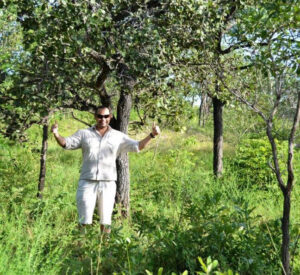
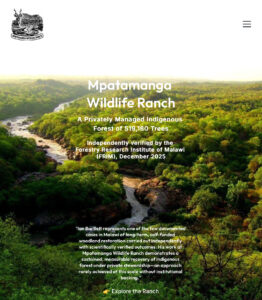
Mpatamanga Wildlife Ranch, owned and managed by Ian Bartlett — The Real Crocodile Hunter® — is confirmed by an independent scientific assessment that it boasts of over 519,180 indigenous trees across 238 hectares — all naturally regenerating under Bartlett’s protection.
“While others were cutting and burning, I held the line,” reports Bartlett on his Facebook account. “This is what 20 years of real conservation looks like — no [external] funding; no NGO [support]; no government project.
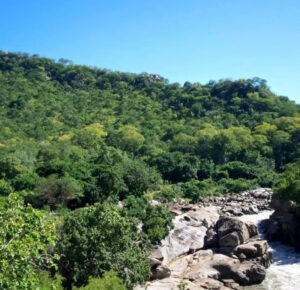
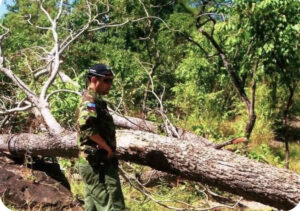
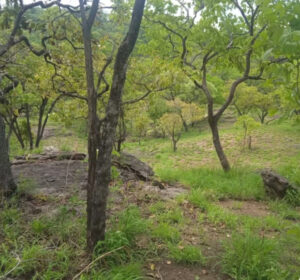
“This wasn’t theory, this was persistence. I didn’t inherit a forest — I rebuilt one, says Bartlett, who is described by the Forestry Research Institute of Malawi (FRIM), in its December 2025 report, as “representing one of the few documented cases in Malawi of long-term, self-funded woodland restoration carried out independently with scientifically verified outcomes”.
“His work at Mpatamanga Wildlife Ranch demonstrates a sustained, measurable recovery of indigenous forest under private stewardship — an approach rarely achieved at this scale without institutional backing.”
Highlighted through website; https://mpatamangawildliferanch.com, the current forest condition reflects sustained ecological recovery through natural regeneration, supported by consistent, long-term management on the ground.
Bartlett’s field experience in Malawi includes work in human-wildlife conflict environments along the Shire River, whose problematic crocodile hunting and elimination experiences are chronicled-in-a-book-in-The-Real-Crocodile-Hunter, in which he provides practical insight into the pressures affecting both forest ecosystems and wildlife.
Mpatamanga Wildlife Ranch has been formally recognised and licensed as a game ranch by the Department of National Parks and Wildlife (DNPW), who management is informed by direct field experience in Malawi, including Bartlett’s work in human-wildlife conflict zones along the Shire River.

“This experience has provided practical insight into the pressures facing both wildlife and local ecosystems, including deforestation, habitat loss, and human encroachment.
“The protection and development of the ranch reflects long-term, on-the-ground management under real environmental conditions [and after] 20 years, the land has undergone sustained natural regeneration following earlier degradation, resulting in the recovery of a dense indigenous woodland ecosystem.”