
* Key areas include 𝐒𝐩𝐨𝐫𝐭𝐬 𝐒𝐜𝐢𝐞𝐧𝐜𝐞 & 𝐑𝐞𝐬𝐞𝐚𝐫𝐜𝐡; 𝐂𝐚𝐩𝐚𝐜𝐢𝐭𝐲 𝐁𝐮𝐢𝐥𝐝𝐢𝐧𝐠; 𝐈𝐧𝐟𝐫𝐚𝐬𝐭𝐫𝐮𝐜𝐭𝐮𝐫𝐞 𝐃𝐞𝐯𝐞𝐥𝐨𝐩𝐦𝐞𝐧𝐭; 𝐒𝐩𝐨𝐫𝐭𝐬 𝐄𝐝𝐮𝐜𝐚𝐭𝐢𝐨𝐧; 𝐄𝐯𝐞𝐧𝐭𝐬 & 𝐂𝐨𝐦𝐩𝐞𝐭𝐢𝐭𝐢𝐨𝐧𝐬; and 𝐒𝐜𝐡𝐨𝐥𝐚𝐫𝐬𝐡𝐢𝐩𝐬 & 𝐈𝐧𝐭𝐞𝐫𝐧𝐬𝐡𝐢𝐩𝐬
* We will be leveraging the expertise we have at MUST like our staff, facilities, and scientific resources
* While benefiting from the technical strengths that Sports Council brings, and together we can improve sports performance in Malawi
By Duncan Mlanjira
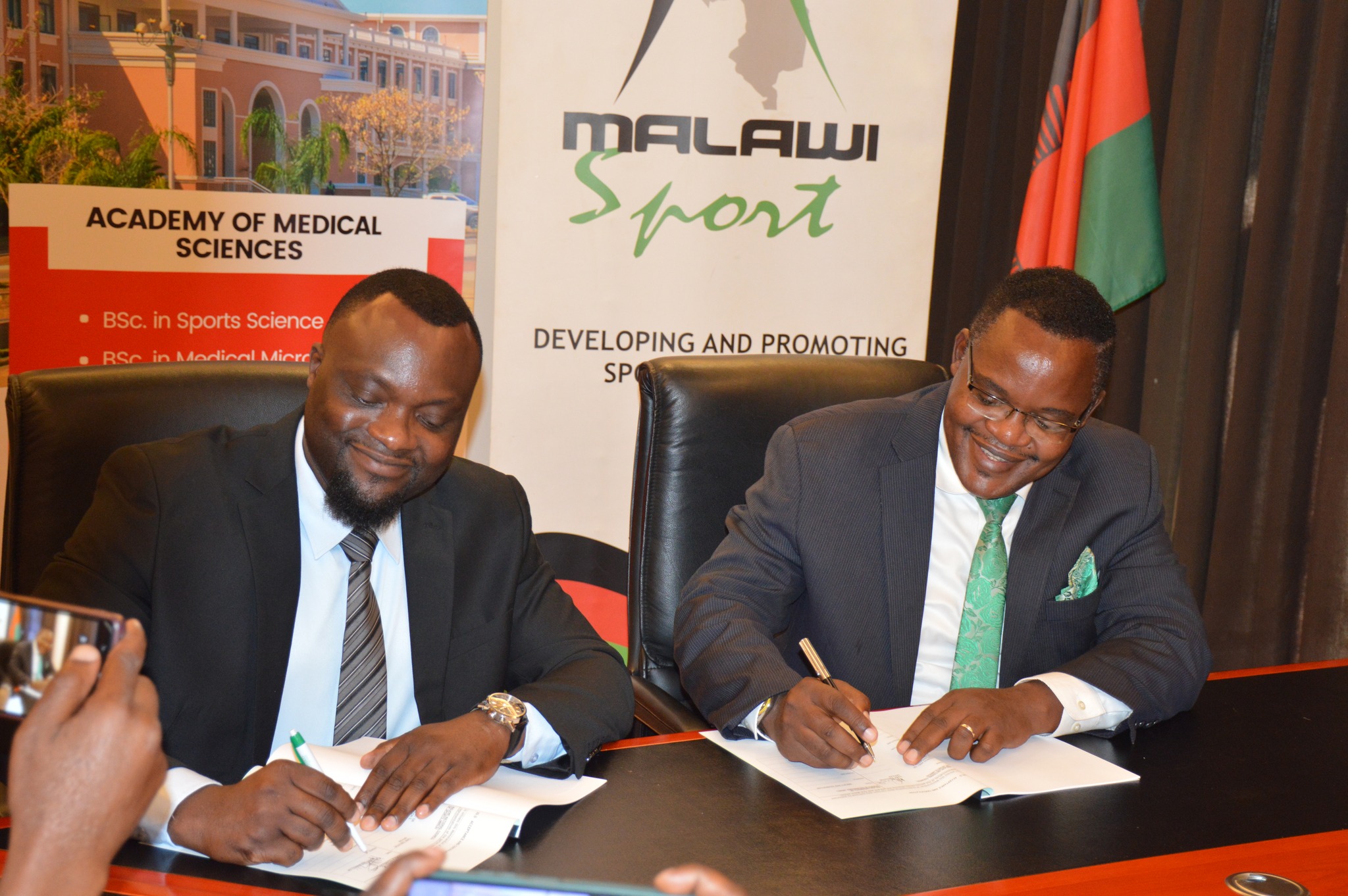
Malawi National Council of Sports and Malawi University of Science & Technology have signed a memorandum of understanding (MoU) that is aimed at promoting and developing sports in the country as well as set to create MUST as a sports centre of excellence.

Advertisement
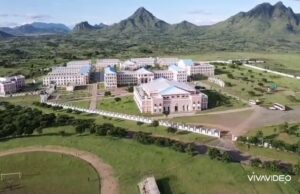
The MoU, signed yesterday at MUST campus at Goliati in Thyolo — between Sports Council Chief Executive Officer, Dr. Henry Kamata, Dr. Mwayiwawo Madanitsa, MUST’s Executive Dean — is towards jointly organising and managing sports events and competitions, to promote participation & talent identification, among others.
“This partnership is expected to play a significant role in advancing the sports sector in Malawi through academic collaboration, research, infrastructure, and human resource development,” say the two institutions in a joint statement.
There are six key areas of collaboration in the MoU:
* 𝐒𝐩𝐨𝐫𝐭𝐬 𝐒𝐜𝐢𝐞𝐧𝐜𝐞 & 𝐑𝐞𝐬𝐞𝐚𝐫𝐜𝐡 – both institutions to collaborate on scientific research in sports science to support evidence-based development of athletes and programs;
* 𝐂𝐚𝐩𝐚𝐜𝐢𝐭𝐲 𝐁𝐮𝐢𝐥𝐝𝐢𝐧𝐠 – the two parties to work together to offer training programmes aimed at enhancing the skills and technical capacity of athletes, coaches and technical officials;
* 𝐈𝐧𝐟𝐫𝐚𝐬𝐭𝐫𝐮𝐜𝐭𝐮𝐫𝐞 𝐃𝐞𝐯𝐞𝐥𝐨𝐩𝐦𝐞𝐧𝐭 – the MoU provides for the joint utilisation and development of indoor sports facilities at the MUST campus;
𝐒𝐩𝐨𝐫𝐭𝐬 𝐄𝐝𝐮𝐜𝐚𝐭𝐢𝐨𝐧 – the institutions will explore and invest in the development of specialised courses in sports management and related fields;
* 𝐄𝐯𝐞𝐧𝐭𝐬 & 𝐂𝐨𝐦𝐩𝐞𝐭𝐢𝐭𝐢𝐨𝐧𝐬 – MUST and Sports Council to jointly organise and manage sports events and competitions to promote participation and talent identification;
* 𝐒𝐜𝐡𝐨𝐥𝐚𝐫𝐬𝐡𝐢𝐩𝐬 & 𝐈𝐧𝐭𝐞𝐫𝐧𝐬𝐡𝐢𝐩𝐬 – the agreement includes provision for scholarships to athletes and sports officials, as well as internship opportunities for students and graduates in relevant fields.


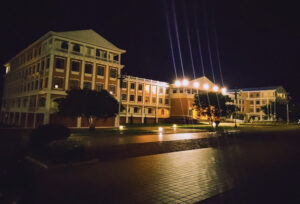
In an interview with the media, Madanitsa said MUST campus sports facilities accommodates various disciplines that include, football, tennis, netball, athletics, volleyball, basketball and several indoor games, which will be used to increase Sports Council’s sports venues for major competitions.
He added that the partnership is to leverage each other to nurture and improve the strength of athletes into elite performers using the facilities MUST have — sports, health, medicine, science and research coverage.
“We will be leveraging the expertise we have at MUST like our staff, facilities, and scientific resources, while benefiting from the technical strengths that MNCS brings, and together we can improve sports performance in Malawi,” he said.
On his part, Kamata said the MoU covers issues of introducing health & science into sports management, saying: “There are a number of areas we are looking at such as dope testing, which is very key these days; nutrition, also very key.
“We are looking at how MUST can add value to sport in the country to become a sports centre of excellence as they have the infrastructure that will help us run joint programmes in sports management,” Kamata said.
MUST is an all-encompassing science and technology institution which offers Bachelors of Science (BSc) in Sport Science under School of Academy of Medical Sciences (AMS).
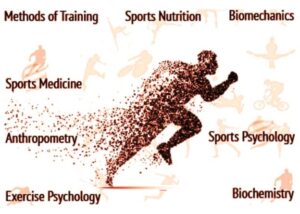
On its website, MUST says the need for the programme is motivated by five critical factors:
(1) dwindling standards of sports industry in Malawi;
(2) socio-political changes at local and global levels towards seeking varied ways of addressing modern challenges through sports industry;
(3) need to align sports industry with sustainable socio-economic development;
(4) need to qualitatively and quantitatively respond to the demand for highly skilled and qualified human capital in sports sciences sector, and
(5) need to fill in the gap about information on sports medicine, nutrition, physiology and anatomy.

Advertisement
Established in 2012 with first students arriving in 2014, its aim is to develop and apply science, technology and innovation to develop the Malawi economy and it now has four operation schools: the Malawi Institute of Technology (MIT), Ndata School of Climate & Earth Sciences (NSCES), Academy of Medical Sciences (AMS) and Bingu School of Culture & Heritage (BISCH).
The Malawi Institute of Technology offers seven undergraduate and two postgraduate academic programmes across engineering, computer and information technology, innovation and entrepreneurship.
The Ndata School of Climate & Earth Sciences offers seven undergraduate programmes in earth science, climate science, sustainable energy and water resources.
The Bingu School of Culture & Heritage currently has three undergraduate programmes in sports science, African musicology and Indigenous knowledge systems and practice.


Advertisement
The last school to become operational was the academy of medical sciences, which welcomed students in 2018. It currently offers three undergraduate level programmes in medical imaging, immunology, and medical microbiology.
It’s here that the university teaching hospital, complete with a private clinic and state-of-the-art diagnostics centre, runs from, according to MUST website.
* Weather update
