* COVID-19 pandemic greatly affected the institution and has failed to recover but with decisive leadership, financial discipline and strategic investment, the Centre can transition from crisis to sustainability and renewed growth
* As the Board and management designs a rescue plan to stabilise operations, restore financial viability, rehabilitate infrastructure, strengthen governance, and reposition Chilema as a sustainable ecumenical training and conference centre
By Duncan Mlanjira
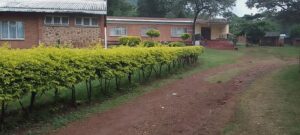
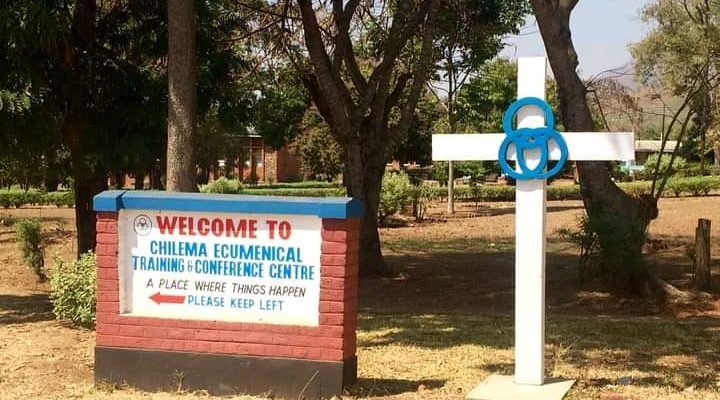
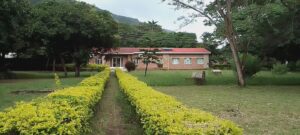
The Board and management of Chilema Ecumenical Training & Conference Centre (CETCC) located at Malosa in Zomba District, along the Zomba–Mangochi M3 Road, is in dire need of revival and survival having been greatly affected by the CoVID-19 pandemic and has failed to recover.
“But with decisive leadership, financial discipline and strategic investment,” says CETCC’s new Executive Director, Rev Master Jumbe, who assumed office in January 2026 and proceeded to develop the rescue plan, adding that the management and the Board and management believe that the institution “can transition from crisis to sustainability and renewed growth”.
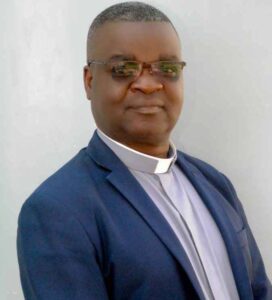
Rev. Master Jumbe
Rev. Jumbe’s rescue plan, has been designed to stabilise operations, restore financial viability, rehabilitate infrastructure, strengthen governance — to reposition the CETCC as a sustainable ecumenical training and conference centre.
The historic CETCC is a non-profit Christian institution located in established in the early 1960s as a vision of Church of Central Africa Presbyterian (CCAP)-Blantyre Synod and Anglican Diocese of Upper Shire — which provides training, conferences, and community development programmes in a peaceful rural setting conducive to learning, reflection, and capacity building.
Key founders include Rev. Jonathan Sangaya of the CCAP and Anglican Church’s Bishop Donald Arden, whose training activities began around 1964, and the centre was officially opened in 1967 — originally known as the United Church Lay Training Centre.
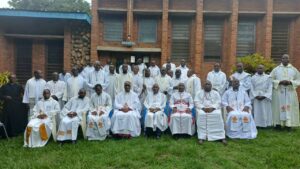
It was created to promote ecumenism, leadership, and lay training among churches in Malawi and the centre operates under an ecumenical board of trustees, representing partner churches and stakeholders.
Situated on the land that is host to the historic Malosa Secondary School along with the Chilema Tree, Malawi’s ‘Living Wonder of the World’, the spiritual centre is surrounded by natural scenery, providing a quiet environment ideal for retreats and learning.
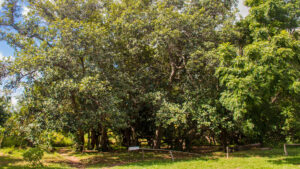
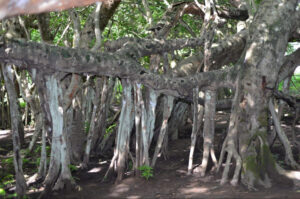
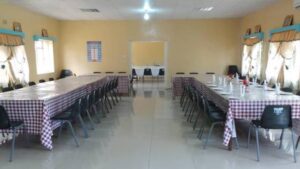
Key facilities include conference halls, training classrooms, dormitories & guest houses, cafeteria and outdoor spaces for retreats and reflection. Its Vision is; ‘To be a leading ecumenical centre for capacity building, unity, and sustainable community development’ — and the Mission; ‘To provide holistic training, leadership development, and conference services that empower individuals, churches, and communities’.
CETCC offers practical and vocational programmes aimed at improving livelihoods, that include food & nutrition; tailoring & fashion design; homecraft & community development; leadership & theological training, among others.
Its human capital target beneficiaries are youth & women from rural communities; church leaders & lay members; community development groups; NGOs and faith-based organisations — offering a peaceful environment for spiritual retreats, promoting ecumenical fellowship and unity.
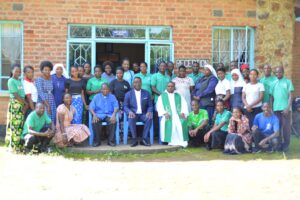
Over the years, the centre has contributed to the country’s economic impact as it has empowered people with entrepreneurial & vocational skills; promoted self-reliance & income generation; contributed to community & national development — along with strengthening ecumenical unity among churches.
“The Chilema Ecumenical Training and Conference Centre remains a key institution in Malawi’s faith-based development sector, combining spiritual formation, skills training, and community empowerment.
“Its ecumenical foundation continues to promote unity while equipping individuals with practical skills for sustainable livelihoods,” says Rev. Jumbe.
Its challenges include declining occupancy rates; cash flow constraints; aging and deteriorating infrastructure weak financial controls and reporting systems; limited marketing visibility; over-dependence on donor funding; rising operational and maintenance costs, among others.
“Without decisive intervention, these risks may threaten long-term sustainability,” says the Executive Director, adding that the rescue plan is divided into three phases; ‘Emergency Stabilisation’ (0-3 months), ‘Operational Recovery’ (3-12 Months), and ‘Institutional Sustainability’ (1-3 years).
It also includes the need for accreditation of its courses by Technical Entrepreneurial, Vocational Education & Training Authority (TEVETA) to enhance credibility and the phase 1 of the plan, Emergency Stabilisation, immediate actions of financial control measures include:
* Commissioning independent financial audit;
* Conducting rapid financial review;
* Freezing non-essential expenditure;
* Introducing weekly cash-flow monitoring;
* Renegotiating supplier contracts; and
* Reviewing payroll structure.
The deliverable is to clear financial position within 60 days, whose immediate cost containment include:
* Launching promotional discount campaign;
* Targeting churches, NGOs, schools, and government institutions;
* Offering short-term event packages;
* Introducing flexible pricing for low-occupancy periods; and
* Marketing weekend retreat packages as part of local tourism.

Advertisement
The Phase 2 Operational Recovery plan is prioritised on infrastructure, whose immediate rehabilitation is on sustainable water supply system; electrical systems; plumbing & roofing; and the essential guest room refurbishment.
The approach is to first prioritise revenue-generating facilities; launching ‘Adopt-a-Room’ fundraising initiative; to seek donor capital grants as well as expanding services of Church retreats, leadership training workshops, youth camps, wedding & events hosting, NGO strategy workshops and guest accommodation services for tourists.
The rescue plan also explores other revenue generating avenues such as agricultural income project on its vast land and as part of marketing & visibility, the Centre will develop a professional website; activate social media presence; create digital brochure & rate card; build institutional client database; and assign a focal marketing expert.
“Chilema is not merely a conference facility — it is a spiritual, ecumenical, and national asset,” says the management. “With decisive leadership, financial discipline, and strategic investment, the Centre can transition from crisis to sustainability and renewed growth.”