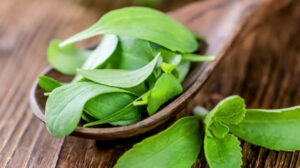
Sweet sugar substitute from Stevia that is about 50 to 300 times sweeter than normal sugar
* Pancreatic cancer is highly invasive and prone to metastasis, showing significant resistance to existing treatments, such as surgery, radiotherapy, and chemotherapy
* As such, there is an urgent need to identify new and effective anticancer compounds, particularly those derived from medicinal plants
Times of India
A recent study, published in the International Journal of Molecular Sciences, reveals that fermented stevia, using a bacterium from banana leaves, exhibits promising potential in preventing pancreatic cancer.

Advertisement
The fermentation process transforms stevia into a compound, chlorogenic acid methyl ester (C.A.M.E.), which effectively targets and destroys pancreatic cancer cells while leaving healthy kidney cells unharmed.
This breakthrough suggests a new avenue for cancer treatment, particularly for the aggressive pancreatic cancer.
While discussing the recent study result, study co-author Narandalai Danshiitsoodol from Hiroshima University, said: “Globally, the incidence and mortality rates of pancreatic cancer continue to rise, with a five-year survival rate of less than 10%,” adding, “Pancreatic cancer is highly invasive and prone to metastasis, showing significant resistance to existing treatments, such as surgery, radiotherapy, and chemotherapy.
“As such, there is an urgent need to identify new and effective anticancer compounds, particularly those derived from medicinal plants.”

What is stevia?
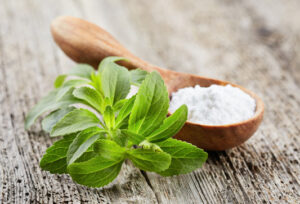
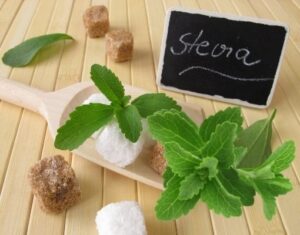
Stevia is a sweet sugar substitute that is about 50 to 300 times sweeter than normal sugar. It is extracted from the leaves of Stevia rebaudiana, a plant (shrub) native to tropical and subtropical America, and areas of Paraguay and Brazil.
The active compounds in stevia are steviol glycosides, and the leaves may be used as a calorie-free substitute for sugar. Stevia is heat-stable, pH-stable, and not fermentable.
For the study, the research team used a specific bacterium, Lactobacillus plantarum SN13T, to ferment stevia leaves. They compared the fermented version (which they call FSLE) to regular stevia extract and found that FSLE performed better in every way they tested.
“To enhance the pharmacological efficacy of natural plant extracts, microbial biotransformation has emerged as an effective strategy,” researcher, Masanori Sugiyama explained.
The researchers optimised the fermentation process and found that stevia was most effective when fermented for 72 hours, at 37°C, without oxygen.
The results were impressive — fermented stevia effectively killed pancreatic cancer cells (PANC-1) while barely affecting healthy cells, even at higher doses. This selectivity is crucial for safe cancer treatments. Instead of an immediate kill, FSLE sometimes slowed down cancer cell growth, making them look weak and unhealthy.
Fermented stevia also showed strong antioxidant properties, which is essential since oxidative stress is a big factor in cancer development. It neutralized free radicals more effectively than the non-fermented version, achieving a 94% scavenging power in one test.


What’s the takeaway?
Researchers believe that fermentation transforms compounds into more active versions. For example, a compound called chlorogenic acid is converted into chlorogenic acid methyl ester (C.A.M.E.) during fermentation.
C.A.M.E. was found to be more effective than regular chlorogenic acid in halting cancer cell growth and triggering cancer cell self-destruction.
Its potency was significant — the dose needed to kill half the cancer cells was much lower for C.A.M.E. compared to regular chlorogenic acid. C.A.M.E. works by blocking the cell cycle and forcing cells into apoptosis, their self-destruct mode.
On a genetic level, C.A.M.E. influenced genes associated with cell death, activating pro-apoptotic genes while shutting down those that prevent cell death. This supports the observed effects, showing that C.A.M.E. doesn’t just kill cells randomly; it drives them into a specific self-destruction pathway.
To sum up in simpler terms, this research suggests that fermented stevia could be a promising new avenue for effective cancer treatment, particularly for hard-to-treat pancreatic cancer.
More than just a sweetener
Stevia is not just a substitute for sugar anymore — it’s stepping up its game! Thanks to fermentation, researchers have discovered that stevia extract can be transformed into a compound that fights cancer while leaving healthy cells unharmed.
This exciting change is linked to specific enzymes from a bacterial strain called SN13T — and as per study co-author Danshiitsoodol, “this microbial transformation was likely due to specific enzymes in the bacteria strain used”.
The findings show that this new compound, C.A.M.E. is more effective at harming cancer cells and promoting cell death in PANC-1 cells than chlorogenic acid alone.


Advertisement
What’s next for this research? — The team has plans to take their work from the lab to the real world, with mouse studies coming up. This will test if fermented stevia can work within living systems, which have complex immune responses and metabolism.
Danshiitsoodol said: “The present study has substantially enhanced our understanding of the mechanism of action of the Lactobacillus plantarum SN13T strain in the fermentation of herbal extracts, while also offering a valuable research perspective on the potential application of probiotics as natural anti-tumor agents.”
Going by this research, with the right microbes, even a simple leaf like stevia could become a powerful weapon against cancer. It’s not bad for a sugar substitute anymore — it’s a natural and valuable component with more than its sweetening qualities.