
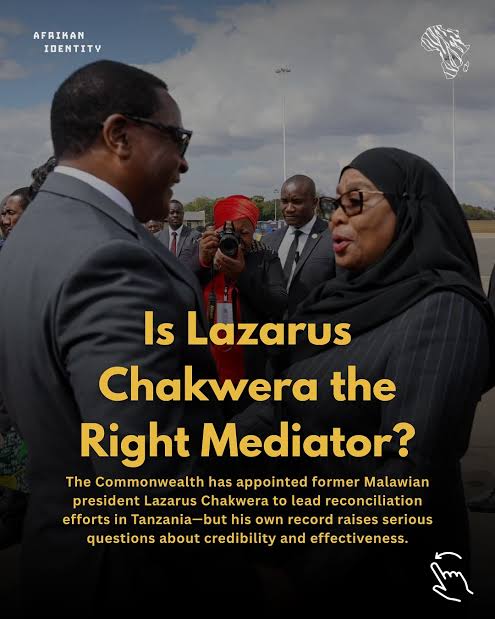
* One of the strongest factors that has influenced Tanzania’s CSO’s reservations is the governance record of Chakwera’s own administration
* Mediation requires not only neutrality but also evidence of effective governance, conflict resolution skills, and firmness in leadership — areas where Chakwera’s tenure generated mixed assessments
Opinion piece by DCG Chief Economist, Chifipa Mhango
When news emerged this week of a mixed reception after former President Lazarus Chakwera had been proposed as a mediator in Tanzania’s evolving political tensions, observers in Malawi and across the region immediately began analysing what this meant for his standing as a statesman.

Advertisement
Mediation roles in African conflicts or political standoffs are not allocated casually — they are deeply tied to trust, credibility, diplomatic capital, and a leader’s international track record.
The reported “rejection” of Chakwera’s candidacy, therefore, raises key questions: Why was he passed over? Was this personal, political, or institutional? And what does it mean for his future regional relevance?
This article unpacks the factors behind the decision and analyses the broader implications.
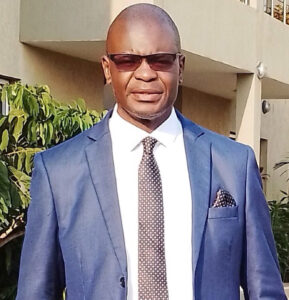
Chifipa Mhango
1. Questions over governance track record during his presidency
One of the strongest factors that has influenced Tanzania’s CSO’s reservations is the governance record of Chakwera’s own administration. His 2020-2025 presidency, though initially celebrated as a democratic reset, later became associated with unfulfilled reform promises, alleged administrative weaknesses, persistent economic challenges, perceived indecisiveness in key national issues and a governing coalition that gradually lost public trust.
For any nation seeking a credible mediator, a former president’s political legacy matters. Mediation requires not only neutrality but also evidence of effective governance, conflict resolution skills, and firmness in leadership — areas where Chakwera’s tenure generated mixed assessments.
2. Tanzania’s preference for strong, firm, experienced mediators
Historically, Tanzania has preferred to engage mediators known for strong diplomatic presence, regional seniority and demonstrated conflict-management credentials.
Figures such as former presidents Jakaya Kikwete and Benjamin Mkapa were influential precisely because of their long-standing reputations for internal stability and diplomatic tact.
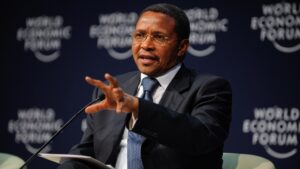
Jakaya Kikwete
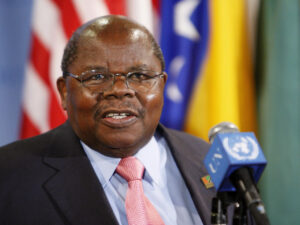
Benjamin Mkapa
In contrast, Chakwera, though respected as a religious leader, he has not built a strong regional diplomatic profile. His tenure was largely inward-focused and lacked decisive continental engagement. For Tanzania’s political environment, this may have been deemed an insufficient fit.
3. Concerns over his current domestic political standing
At the time of the proposal, Chakwera’s standing within Malawi has sharply declined — he has recently led the MCP to an electoral defeat, and was widely criticised for calling an unnecessary press conference that seemed as defensive and politically out of touch.
Tanzania, like many African states, is acutely aware that a mediator must have domestic political authority, or at least public goodwill, to speak credibly. A former leader, whose own constituency has detached, may struggle to command respect in delicate political negotiations elsewhere.
4. Regional perception of his leadership style
Among regional leaders, Chakwera has been perceived as gentle but indecisive, ethical in rhetoric but inconsistent in enforcement and more pastoral than political in style.
Such a leadership persona can be admirable in certain contexts, but mediation often demands firmness, assertiveness, and deep political agility. This might have influenced Tanzania’s preference for someone with a different leadership temperament.
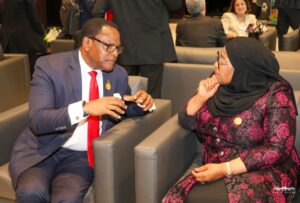
5. Internal Tanzanian political calculations
Every mediation process is inherently political. Tanzania’s ruling establishment would naturally choose someone who does not threaten internal political narratives, has no strong personal alliances with rival factions, is predictable, experienced, and diplomatically safe.
Chakwera’s political ambiguity, recent criticisms, and fluctuating domestic support may have made him a risky choice from the Tanzanian perspective.
Implications for Chakwera’s regional and international image
The rejection does not end Chakwera’s career, but it does reshape the landscape of how he will be perceived going forward:
i. A blow to his aspirations as a regional statesman
This missed opportunity denies him a platform that could have rehabilitated his image after electoral defeat. Mediation roles often allow former leaders to re-emerge as elder statesmen — this window now closes, at least temporarily.
ii. Reinforcement of the perception of weak leadership
The decision may reinforce narratives that Chakwera was not considered decisive or influential even by regional peers. In diplomacy, perception matters as much as substance.
iii. Limited appeal for future continental roles
Positions within SADC, AU advisory panels, or peace missions, typically go to individuals with strong diplomatic track records. This rejection may affect how future roles are assessed or offered to him.
iv. Diminished influence in Malawian politics
The optics are politically damaging at home. Opponents will use this to argue that he lacks the stature and credibility required of a former president positioning himself as a moral or political guide. This also weakens his attempt to maintain influence within MCP or national politics.
v. A chance for reflection and reinvention
On the positive side, this moment could become a turning point. If Chakwera steps back from partisan politics, withdraws from unnecessary public appearance, and invests in thought leadership, lecturing, humanitarian work and regional peace networks, he may slowly rebuild credibility.

Former President Bakili Muluzi
Many former leaders have reinvented themselves after difficult transitions — Chakwera still has this option. There is a leaf to borrow from former President Bakili Muluzi.


Advertisement