
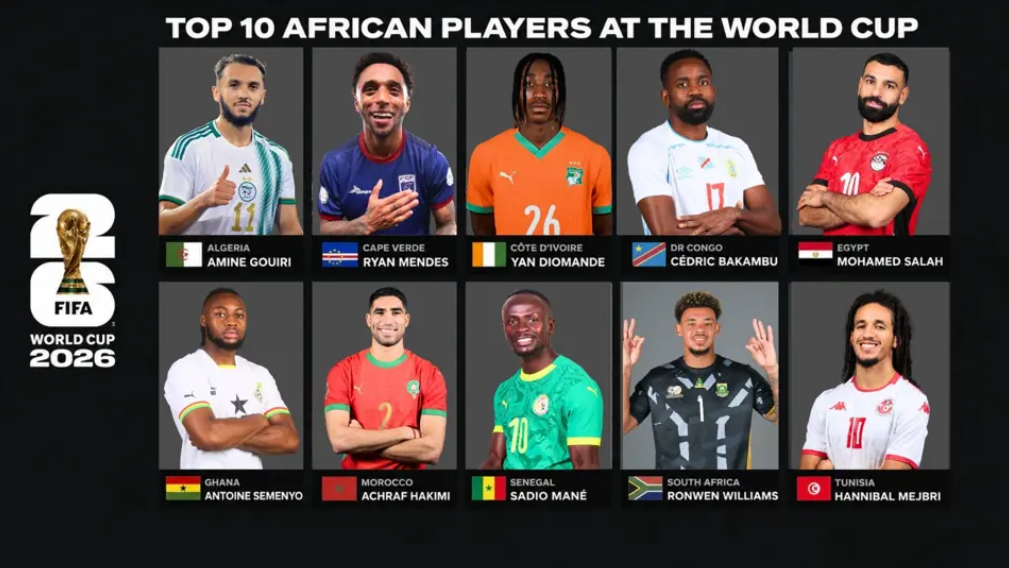
* The pressure will fall on teams, coaches and squads, but individual brilliance can still change tournaments
* Gouiri, Mendes, Diomande, Bakambu, Salah, Semenyo, Hakimi, Mane, Williams and Hannibal all carry different types of responsibility
Maravi Express
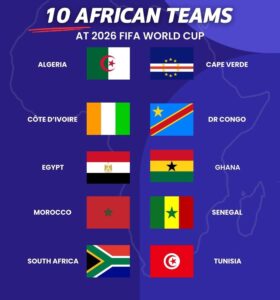
Africa is in the FIFA World Cup™ 2026 with its biggest representation in tournament history, with 10 countries from the continent competing on the global stage — and that expanded presence means the continent will not only be judged by participation, but by how far its teams can go.
Morocco’s historic semi-final run in Qatar 2022 edition changed the conversation around African football, proving that a team from the continent could compete deep into the competition.
Now Algeria, Cape Verde, Côte d’Ivoire, DR Congo, Egypt, Ghana, Morocco, Senegal, South Africa and Tunisia arrive with different ambitions, but with the same continental expectation.
Each squad has a player whose form, experience or leadership could define their campaign.
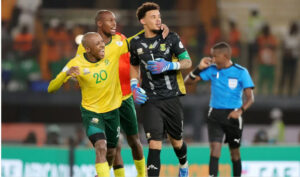
Ronwen Williams (South Africa)
Ronwen Williams gives South Africa leadership, authority and security at the back. The Mamelodi Sundowns goalkeeper played 45 matches this season and kept 20 clean sheets, while also winning the CAF Champions League. Those numbers underline why he is one of the most respected goalkeepers on the continent — and as Bafana Bafana’s return to the World Cup is a major moment, Williams will be central to their chances of competing against strong opposition.
His performance against Mexico in the 0-2 loss was superb as he made several crucial saves to keep hopes alive for Bafana — unfortunately, the team faced a setback when Sphephelo Sithole was sent off in the 49th minute before Themba Zwane was also red-carded in later stages of the second half.
His shot-stopping, calmness and penalty-saving reputation make him a major asset as they next meet Czech Republic on June 18 and South Korea on June 25.
South Africa will need defensive discipline going forward, and Williams provides both confidence and command from the back.

Amine Gouiri (Algeria)
Amine Gouiri enters the World Cup as one of Algeria’s most important attacking weapons after a strong season with Olympique Marseille.
The forward played 28 matches, scoring 11 goals and providing five assists, numbers that show both his finishing ability and creative value — as Algeria return to the tournament with renewed confidence under Vladimir Petkovic.
Gouiri’s role could be central to how far the Desert Foxes go in their Group J along with Argentina, Austria and Jordan. He offers intelligence between the lines, quick decision-making and the ability to turn limited chances into decisive moments.
For Algeria, especially in difficult matches, Gouiri may be the player trusted to provide inspiration in attack.
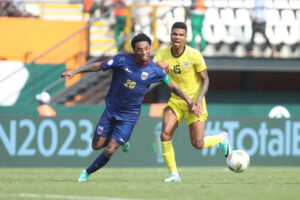
Ryan Mendes (Cape Verde)
Ryan Mendes carries more than form into the World Cup — he carries history as his nation, Cape Verde, are appearing at the tournament for the first time, with Mendes standing as the symbol of their football journey.
Cape Verde are in Group H with Spain, Saudi Arabia and Uruguay and Mendes, the Igdir FK forward has played 29 matches this season, scoring five goals and adding two assists.
But his importance goes beyond club statistics. He is Cape Verde’s most-capped player with 98 appearances and their all-time leading scorer with 22 goals.
At 36, his experience, leadership and emotional connection with the national team will be vital. For Cape Verde, Mendes represents belief, identity and the reward for years of progress.
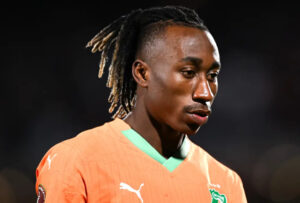
Yan Diomande (Côte d’Ivoire)
Yan Diomande arrives at the World Cup as one of the most exciting young African attackers to watch.
The Côte d’Ivoire are in Group E with Germany, Curaçao and Ecuador and forward Diomande — who enjoyed an impressive season with RB Leipzig, scoring 13 goals and providing 10 assists in 36 matches — underlines his ability to both finish and create, making him a major threat in the final third.
Côte d’Ivoire have attacking depth, but Diomande’s pace, direct running and confidence could give them something different.
After winning the Africa Cup of Nations (AfCON) on home soil in 2024, the Elephants will want to prove themselves globally. Diomande could be central to that next step.
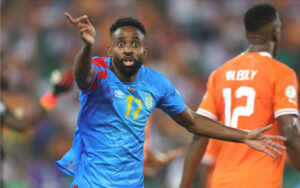
Cedric Bakambu (DR Congo)
In the second appearance at the global stage, DR Congo are in Group K against Portugal, Colombia and Uzbekistan and central to their campaign is Cedric Bakambu.
He brings experience, movement and a proven goalscoring instinct to DR Congo’s World Cup campaign as in 27 matches this season, the Real Betis striker scored four goals and providing three assists.
His figures may not be the most eye-catching among Africa’s leading names, but his value lies in his intelligence, positioning and ability to lead the line.
DR Congo are back at the World Cup after a long absence, and they will need players who understand big occasions — and Bakambu’s experience in European football and international competition makes him a key figure as his leadership could be just as important as his goals.
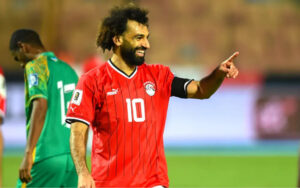
Mohamed Salah (Egypt)
Mohamed Salah remains Egypt’s biggest name and one of Africa’s most recognisable footballers.
In Group G with Belgium, Iran and New Zealand, the Liverpool forward goes into the World Cup after playing 41 matches, scoring 12 goals and providing 10 assists.
Even in a season where the numbers may not match his most explosive years, Salah’s influence remains enormous. He is Egypt’s leader, reference point and most dangerous attacking outlet.
Defenders still shape their entire approach around him and for Egypt to make a serious impact, Salah must be decisive in the biggest moments.
This World Cup may also carry personal significance, as he looks to leave a stronger mark on the tournament.

Antoine Semenyo (Ghana)
Antoine Semenyo arrives at the World Cup after a powerful season with Manchester City, having played 48 matches, scored 21 goals and added four assists. For Ghana, those numbers make him one of the most important attacking players in the squad.
The Black Stars, who are in Group L with England, Croatia and Panama, will need pace, power and ruthlessness in the final third, and Semenyo offers all three.
His ability to stretch defences, press aggressively and finish chances could give Ghana a serious weapon against any opponent.
Ghana have a proud World Cup history, but expectations are again high. Semenyo’s form gives supporters reason to believe the attack can deliver.
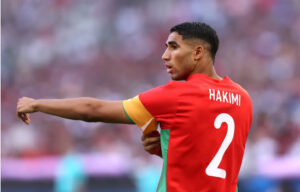
Achraf Hakimi (Morocco)
Achraf Hakimi goes into the World Cup as one of the most decorated and complete African players in the tournament.
The Paris Saint-Germain full-back played 32 matches this season, scoring three goals and providing nine assists, while also winning Ligue 1 and the UEFA Champions League 2026.
Morocco’s historic run to the semi-finals in 2022 was built on discipline, courage and defensive strength, and Hakimi remains central to that identity.
He is not only a defender but also a major attacking outlet. His pace, crossing, recovery runs and big-match experience make him vital. For Morocco, who are in Group C with Brazil, Haiti and Scotland, Hakimi represents elite quality and continental pride.
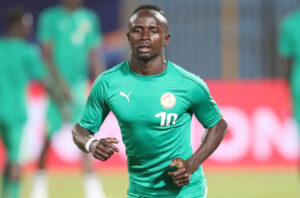
Sadio Mane (Senegal)
Sadio Mane remains the face of Senegal’s ambition and one of Africa’s great modern players.
The Al Nassr forward played 34 matches this season, scoring 14 goals and providing nine assists, while also helping Senegal win the Africa Cup of Nations (AfCON) 2025.
He was named AfCON 2024 Best Player and also won the Saudi League, reinforcing his status as a decisive figure and he brings to Americas experience, leadership and a habit of influencing major matches.
Senegal, who are in Group I with France, Norway and Iraq, have the depth to trouble anyone, but Mane’s presence still gives them a special edge — and if the Lions of Teranga are to go far, he will be central to their hopes.
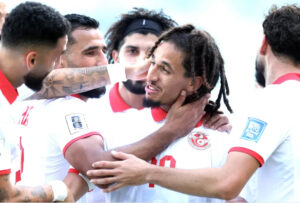
Hannibal Mejbri (Tunisia)
Hannibal Mejbri gives Tunisia energy, aggression and technical quality in midfield and comes into the tournament after 30 appearances with Burnley this season, scoring one goal and providing four assists.
His role is not defined only by goals or assists, but by intensity, ball progression and his ability to disrupt opponents. Tunisia, who are in Group F with Netherlands, Japan and Sweden, have often built their World Cup campaigns around organisation and discipline, and Hannibal fits that fighting identity.
He can press, carry the ball and add personality to the midfield and for a Tunisian side seeking to make a stronger impression on the world stage, Hannibal’s maturity and decision-making could be crucial in tight matches.
It’s Africa’s biggest chance yet as the FIFA World Cup™ 2026 gives the continent more representatives than ever before, but the challenge now is to convert numbers into results.
The continent has produced great players and memorable moments at the tournament, but only Morocco have reached the semi-finals.
With 10 teams involved, Africa has a wider platform and a stronger chance of another historic run. The pressure will fall on teams, coaches and squads, but individual brilliance can still change tournaments.
Gouiri, Mendes, Diomande, Bakambu, Salah, Semenyo, Hakimi, Mane, Williams and Hannibal all carry different types of responsibility.
Together, they reflect the depth, diversity and ambition of African football in 2026.—Reporting by CAFonline, editing by Duncan Mlanjira, Maravi Express
Group stage results and next fixtures
June 11
Group A
Mexico 2-0 South Africa
June 12
Group A
South Korea 2-1 Czechia
Group B
Canada 1-1 Bosnia and Herzegovina
June 13
Group D
USA 4-1 Paraguay
Group B
Qatar v Switzerland
June 14
Group C
Brazil v Morocco
Haiti v Scotland
Group D
Australia v Turkiye
Group E
Germany v Curacao
Group F
Netherlands v Japan
June 15
Group E
Côte d’Ivoire v Ecuador
Group F
Sweden v Tunisia
Group H
Spain v Cape Verde
Group G
Belgium v Egypt
June 16
Group H
Saudi Arabia v Uruguay
Group G
Iran v New Zealand
Group I
France v Senegal
June 17
Group I
Iraq v Norway
Group J
Argentina v Algeria
Austria v Jordan
Group K
Portugal v DR Congo
Group L
England v Croatia
June 18
Group L
Ghana v Panama
Group K
Uzbekistan Vs Colombia
Group A
Czechia v South Africa
Group B
Switzerland v Bosnia & Herzegovina
June 19
Group B
Canada v Qatar
Group A
Mexico v South Korea
Group D
USA v Australia
June 20
Group C
Scotland v Morocco
Brazil v Haiti
Group D
Turkiye v Paraguay
Group F
Netherlands v Sweden
Group E
Germany v Côte d’Ivoire
June 21
Group E
Ecuador Vs Curacao
Group F
Tunisia v Japan
Group H
Spain v Saudi Arabia
Group G
Belgium v Iran
June 22
Group H
Uruguay v Cape Verde
Group G
New Zealand v Egypt
Group J
Argentina v Austria
June 23
Group I
France v Iraq
Norway v Senegal
Group J
Jordan v Algeria
Group K
Portugal v Uzbekistan
Group L
England v Ghana
June 24
Group L
Panama v Croatia
Group K
Colombia v DR Congo
Group B
Bosnia & Herzegovina v Qatar
Switzerland Vs Canada
June 25
Group C
Morocco v Haiti
Scotland Vs Brazil
Group A
Czechia v Mexico
South Africa v South Korea
Group E
Ecuador v Germany
Curacao Côte d’Ivoire
June 26
Group F
Tunisia v Netherlands
Japan v Sweden
Group D
Paraguay v Australia
Turkiye v USA
Group I
Norway v France
Senegal v Iraq
June 27
Group H
Uruguay Spain
Cape Verde v Saudi Arabia
Group G
New Zealand v Belgium
Egypt v Iran
June 28
Group L
Panama v England
Croatia v Ghana
Group K
DR Congo v Uzbekistan
Colombia v Portugal
Group J
Jordan v Argentina
Algeria v Austria