
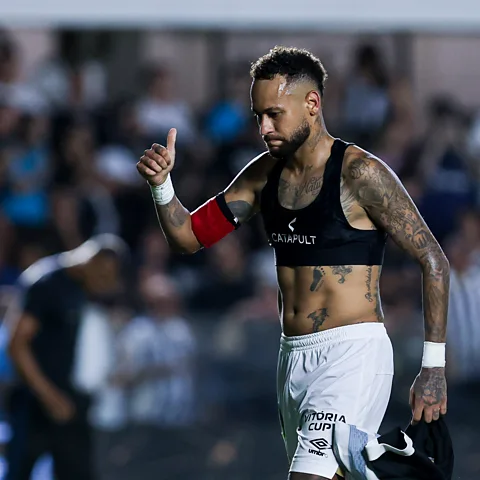
* Players wear ‘smart vests’ as they train and play matches at their clubs throughout the season
* Generating detailed data about how they move, how hard they are working and how well they are recovering
* As the 5-time world champions date Africa Cup of Nations (AfCON) 2025 runners-up Morocco from 12h00
Maravi Express
Brazil national team players wear ‘smart vests’ as they train and play matches at their clubs throughout the season, generating detailed data about how they move, how hard they are working and how well they are recovering.

The five-time world champions date Africa Cup of Nations (AfCON) 2025 runners-up Morocco from midnight today (12h00) and after disappointment in the past five tournaments, the Brazilian team has sought some additional technical help to find an edge in the FIFA World Cup™ 2026.
Five titles and generations of footballing legends have cemented Brazil’s reputation as one of the big teams to beat when the FIFA World Cup comes around every four years and disappointment in the past five tournaments, sports scientists have been tracking its players behind the scenes, using wearable technology to monitor everything from sprint speeds and heart rates to fatigue levels and injury recovery.
The aim is simple — to provide Brazil’s head coach Carlo Ancelotti and his team with as much information as possible before making career-defining World Cup decisions.
Across Brazil, most professional players wear sensor-laden ‘smart vests, which look a little like a sports bra, under their strip and such tracking technology has advanced rapidly over the past decade.

The majority the teams at the World Cup are now using these electronic performance and tracking systems. Brazil, however, has integrated the monitoring of its players extensively across all of its men’s, women’s and youth league teams.
The information gathered by individual clubs on their players is then relayed to the national team’s sports science department, which allows coaches to monitor players throughout the season as they prepare for international duty.
“On a daily basis, when we are not with the players, we communicate with the clubs and they send us the players information from the tracking system,” Guilherme Passos, head of Brazil national team sports science told the BBC Sport.
“So it’s easy to integrate in our database and to analyse the players when they are not with us. If you have a very, very fast player, the coach can maybe think about using that player in a style where you can counter-attack.”
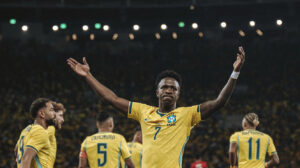
For an international side, this helps with a unique challenge. Unlike club coaches, national team staff spend only limited time with their star players. Many members of the squad play not only in different leagues but on different continents.
It makes comparing the performance and assessing the talents needed to build a team with the potential of winning the World Cup even harder.
The player tracking technology, however, allows Brazil’s staff to effectively keep tabs on players even when they are thousands of miles away: “We know exactly where the players are in this transition process,” says Passos.
Meanwhile, much of Morocco’s hopes will again rest on the shoulders of captain Achraf Hakimi, whose leadership and performances have become symbolic of the country’s rise on the global stage.

Achraf Hakimi
The Paris Saint-Germain defender is expected to face one of football’s most dangerous attackers in Vinicius Junior, but believes Morocco have prepared thoroughly for the challenge.
“I think everyone knows the Brazilian national team, we know Vinicius’ qualities. I’ve already played against him many times and he’s a great player,” Hakimi told CAFonline. “To defend against Vinicius and the other Brazilian players, who are all top-level, you have to defend as a team, with clear ideas.”
Hakimi’s confidence reflects a squad that no longer views itself as an outsider and the right-back pointed to Morocco’s growing reputation and talent pool as reasons for optimism.
“We know Brazil, its history, the quality of its players — but we also have quality. In Africa, they call us the ‘Brazilians of Africa’. We are talented players and we have our strengths.
“I believe we are ready to do something important, with confidence and with the support of all Moroccans.”

Brazil enter the tournament among the favourites once again, boasting a squad filled with elite talent from Europe’s top leagues. Yet Morocco have already shown in recent years that they can compete with and defeat football’s biggest names.
The Atlas Lions stunned Belgium, Spain and Portugal during their unforgettable run to the semi-finals in Qatar and now arrive in North America carrying the belief that they can challenge any opponent.
Morocco will carry not only their own ambitions but also the hopes of a continent in one of the most eagerly anticipated matches of the opening round of the FIFA World Cup™ 2026 — four years after becoming the first African nation to reach a World Cup semi-final.
The Atlas Lions return to the global stage determined to prove that their historic run in Qatar was not a one-off achievement but the foundation of a new era for African football.
The clash at MetLife Stadium in the New York metropolitan area pits Africa’s most successful team from the last World Cup against the most decorated nation in World Cup history.
It is a meeting that has captured attention across the globe and could provide an early indication of how far Morocco can go in a tournament that features a record 10 African nations.—Reporting by BBC Sports & CAFonline; editing by Duncan Mlanjira, Maravi Express

Group stage results and next fixtures
June 11
Group A
Mexico 2-0 South Africa
June 12
Group A
South Korea 2-1 Czechia
Group B
Canada 1-1 Bosnia and Herzegovina
June 13
Group D
USA 4-1 Paraguay
Group B
Qatar v Switzerland
June 14
Group C
Brazil v Morocco
Haiti v Scotland
Group D
Australia v Turkiye
Group E
Germany v Curacao
Group F
Netherlands v Japan
June 15
Group E
Côte d’Ivoire v Ecuador
Group F
Sweden v Tunisia
Group H
Spain v Cape Verde
Group G
Belgium v Egypt
June 16
Group H
Saudi Arabia v Uruguay
Group G
Iran v New Zealand
Group I
France v Senegal
June 17
Group I
Iraq v Norway
Group J
Argentina v Algeria
Austria v Jordan
Group K
Portugal v DR Congo
Group L
England v Croatia
June 18
Group L
Ghana v Panama
Group K
Uzbekistan Vs Colombia
Group A
Czechia v South Africa
Group B
Switzerland v Bosnia & Herzegovina
June 19
Group B
Canada v Qatar
Group A
Mexico v South Korea
Group D
USA v Australia
June 20
Group C
Scotland v Morocco
Brazil v Haiti
Group D
Turkiye v Paraguay
Group F
Netherlands v Sweden
Group E
Germany v Côte d’Ivoire
June 21
Group E
Ecuador Vs Curacao
Group F
Tunisia v Japan
Group H
Spain v Saudi Arabia
Group G
Belgium v Iran
June 22
Group H
Uruguay v Cape Verde
Group G
New Zealand v Egypt
Group J
Argentina v Austria
June 23
Group I
France v Iraq
Norway v Senegal
Group J
Jordan v Algeria
Group K
Portugal v Uzbekistan
Group L
England v Ghana
June 24
Group L
Panama v Croatia
Group K
Colombia v DR Congo
Group B
Bosnia & Herzegovina v Qatar
Switzerland Vs Canada
June 25
Group C
Morocco v Haiti
Scotland Vs Brazil
Group A
Czechia v Mexico
South Africa v South Korea
Group E
Ecuador v Germany
Curacao Côte d’Ivoire
June 26
Group F
Tunisia v Netherlands
Japan v Sweden
Group D
Paraguay v Australia
Turkiye v USA
Group I
Norway v France
Senegal v Iraq
June 27
Group H
Uruguay Spain
Cape Verde v Saudi Arabia
Group G
New Zealand v Belgium
Egypt v Iran
June 28
Group L
Panama v England
Croatia v Ghana
Group K
DR Congo v Uzbekistan
Colombia v Portugal
Group J
Jordan v Argentina
Algeria v Austria

Advertisement