
* Most importantly, regulators must be politically protected and empowered to act without fear or interference. Without political will, even the best laws will fail
* The sugar crisis in Malawi is not a policy mystery. The laws exist. The evidence exists. What is missing is enforcement with resolve
* Until government demonstrates that it is prepared to confront entrenched interests and defend the public interest, cartels will continue to thrive, and Malawians will continue to pay the price for a crisis of governance, not supply
Analysis by economist Dr. James Kadyampakeni
The investigation into the sugar cartel in Malawi, as highlighted by Maravi Express, exposes a governance failure that goes far beyond one commodity. It raises a fundamental question about who is truly in charge of trade policy and market regulation in this country.

Advertisement
The evidence points clearly to a crisis that is manufactured, not natural one sustained by weak regulation, deliberate non-enforcement, and official indifference that has allowed a small group of actors to capture the sugar market for private gain.
When laws and regulations exist only on paper, markets do not correct themselves; they are distorted and eventually controlled by cartels. In Malawi, distributors operate with little to no scrutiny.
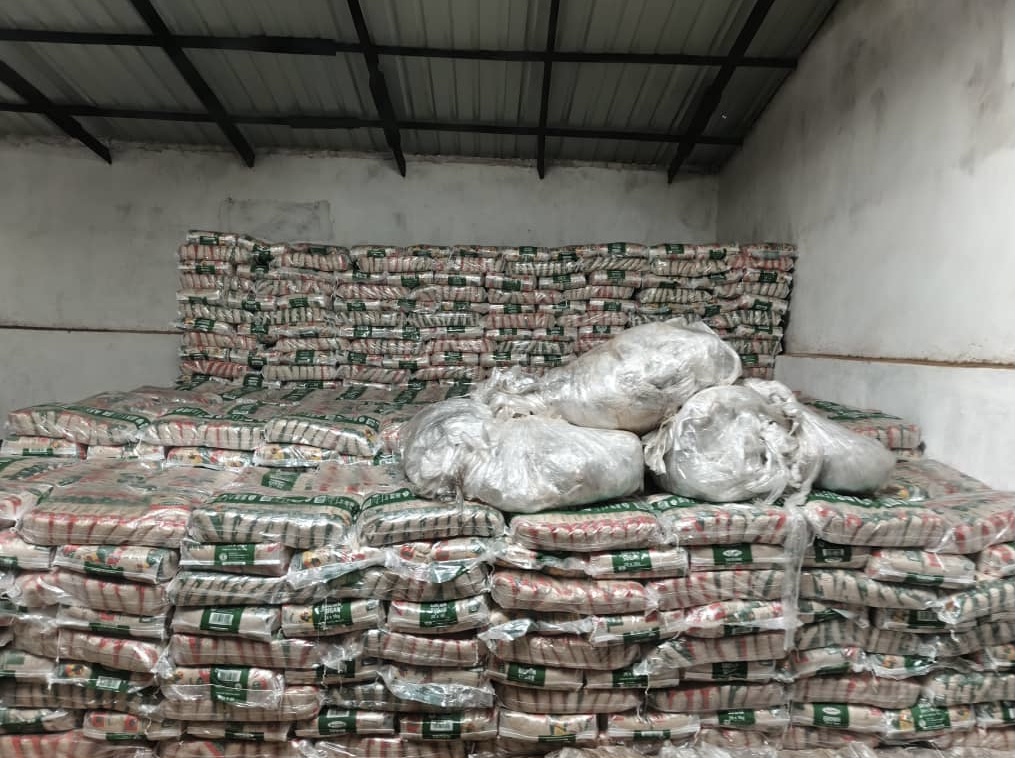
Stock movements are not properly monitored, audits are rare or predictable, and sanctions are either delayed or nonexistent. This has created an environment where withholding sugar, selectively supplying insiders, and ignoring recommended prices carry minimal risk.
In such conditions, cartel behavior is not just possible it is rational. The unexplained closure of Illovo-branded distribution outlets, while sugar remains available through informal channels at inflated prices, is a direct outcome of regulatory failure.
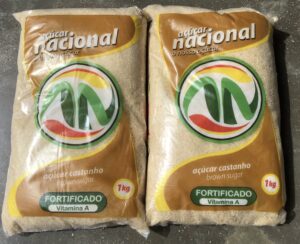
Mozambique sugar is being stocked in most border trading centres
Licensing and branding have been allowed to substitute for accountability. Distributors face no binding obligations to maintain minimum stock levels, no transparent reporting requirements, and no meaningful consequences for failing to serve the public interest.
As a result, the official distribution system has been hollowed out, leaving consumers at the mercy of middlemen.
Price controls and recommended retail prices offer no protection when regulators do not enforce them at the point where manipulation begins. By failing to trace sugar from producer to distributor, from distributor to wholesaler, and onward to retailers, the state has effectively ceded control of the supply chain to private syndicates.
The outcome is entirely predictable: artificial shortages, inflated prices, cross-border leakage, and growing public frustration.
This is not solely a failure of the Competition & Fair Trade Commission — it reflects a broader culture of tolerance toward powerful commercial interests. Selective enforcement, secrecy around distribution networks, and reluctance to publicly name offenders signal weakness.
Cartels interpret this not as oversight, but as permission. Inaction, in this context, becomes complicity.
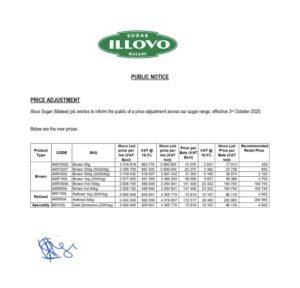
The recommended prices of sugar
What must be done to address hoarding and cartel behavior
Ending sugar hoarding requires decisive, visible, and sustained action:
1. Mandatory supply chain transparency
Government must require full disclosure of distribution networks, including the individuals and entities behind trade names. This information should be publicly accessible for essential commodities.
2. Real-time stock monitoring
Distributors and major wholesalers should be legally required to submit regular stock and sales data, subject to random verification. Failure to comply should attract immediate penalties.
3. Minimum stock obligations for licensed distributors
Any distributor licensed to operate must maintain minimum stock levels and continuous supply. Empty branded outlets should trigger automatic investigations and sanctions.
4. Unannounced audits and inspections
Regulators must conduct routine, unannounced inspections at distributor and wholesaler levels, especially during periods of alleged shortages.
5. Public naming and prosecution of offenders
Hoarding and collusion should lead to public disclosure of offenders, stiff fines, license suspension, and criminal prosecution where warranted. Secrecy only protects cartels.
6. Inter-agency enforcement task force
The CFTC, Ministry of Trade, Malawi Revenue Authority, and law enforcement should operate a joint task force focused specifically on essential commodities.
7. Political backing for enforcement
Most importantly, regulators must be politically protected and empowered to act without fear or interference. Without political will, even the best laws will fail.
The sugar crisis in Malawi is not a policy mystery. The laws exist. The evidence exists. What is missing is enforcement with resolve.
Until government demonstrates that it is prepared to confront entrenched interests and defend the public interest, cartels will continue to thrive, and Malawians will continue to pay the price for a crisis of governance, not supply.


Advertisement