
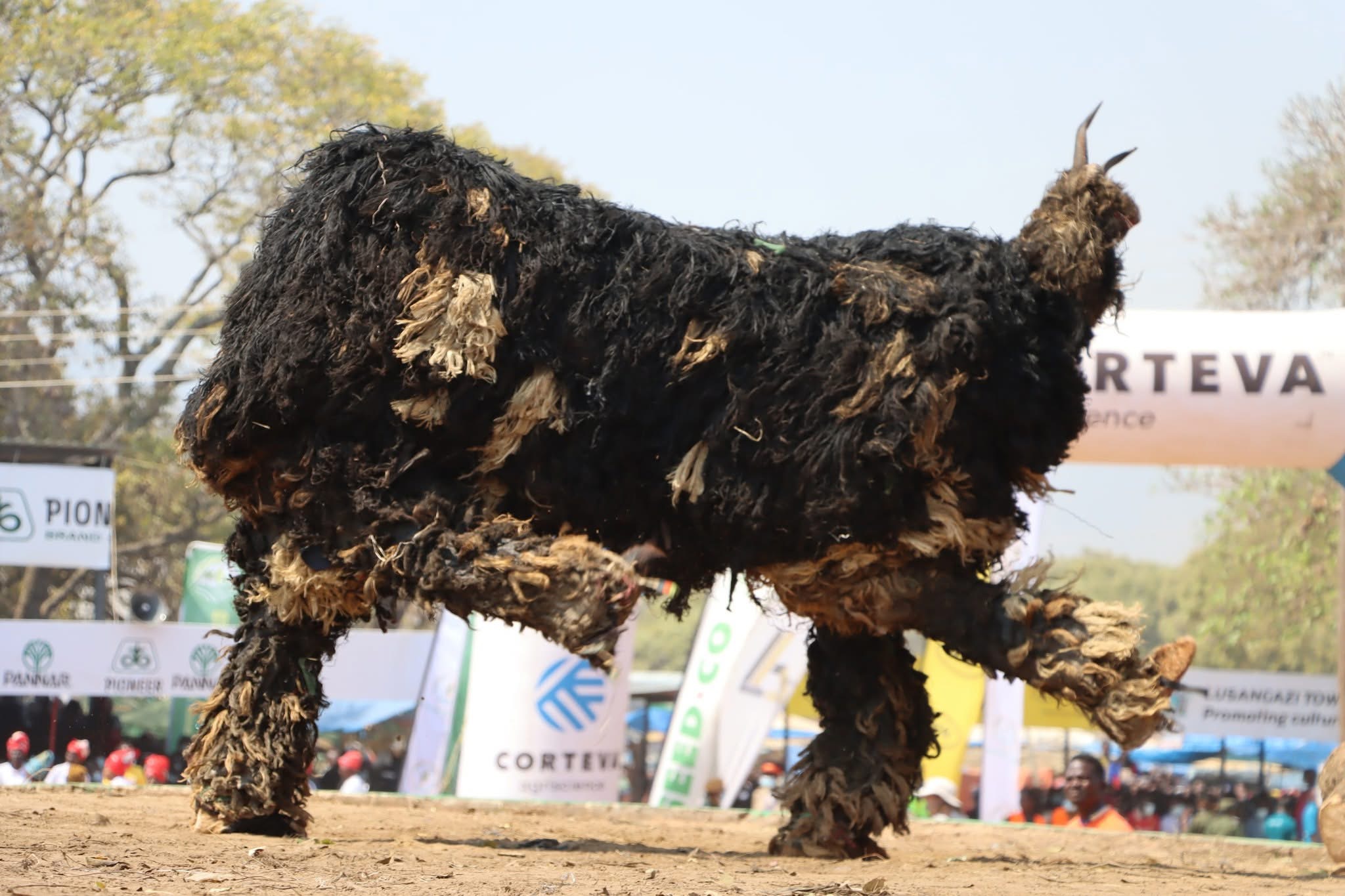

* The 2025 ceremony, held at the usual Mkaika Village in Katete District, attracted thousands of patrons, including Zambia’s President Hakainde Hichilema and Malawi’s leader Lazarus Chakwera who is, himself, a Chewa from Lilongwe
* Chakwera praised the event as a powerful symbol of unity among the Chewa from the three countries
Feature by Wanangwa Tembo, MANA
The Kulamba Traditional Ceremony of the Chewa, which is held at the tribe’s Paramount Chief Kalonga Gawa Undi’s headquarters in Zambia, is an old rite dating back to the 17th Century.

Advertisement
History has it that around 1934, the British colonial masters banned the ceremony as they considered it an antiquated tradition with potential to incite rebellion against the colonial government.
It was feared that with its unifying power, the ceremony served as a platform for fostering a sense of shared identity amongst the locals and hence could potentially torpedo their authority.
However, 20 years after Zambia had attained its independence, Gawa Undi revived the ceremony and nurtured it to become the biggest cultural stage for the Chewa people in Mozambique, Malawi and Zambia.
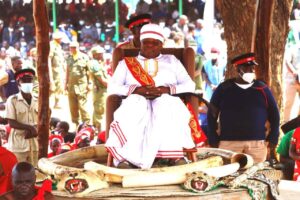
Gawa Undi
The revival of the ceremony was a bold statement by the Chewa King to promote, preserve and celebrate the group’s rich cultural heritage, and the event has turned to become an annual event, taking place on the last Saturday of August every year.
The 2025 ceremony, held at the usual Mkaika Village in Katete District, attracted thousands of patrons, including Zambia’s President Hakainde Hichilema and Malawi’s leader Lazarus Chakwera who is, himself, a Chewa from Lilongwe.
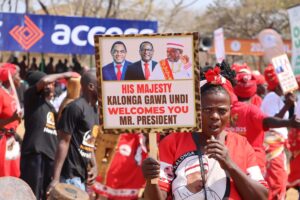
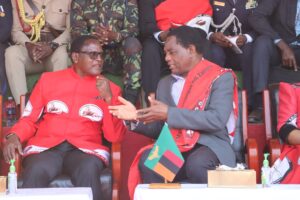
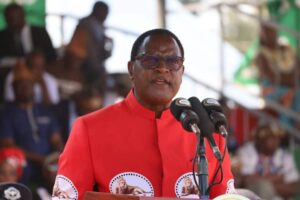
Addressing the gathering at Mkaika, Chakwera praised the event as a powerful symbol of unity among the Chewa from the three countries.
Chakwera said the people of the three countries are only separated by artificial borders but they share a common cultural heritage which unites them.
The President stressed the importance of preserving cultural heritage in promoting peace and unity amongst cultural diverse communities; and he also urged the inculcation of cultural values in children while they are young.
“The Kulamba ceremony is a uniting event that showcases our rich cultural heritage and brings together many people. In that way, this ceremony helps us to reflect on our culture as a tool for promoting peace and unity, which are catalysts for national development,” Chakwera said.
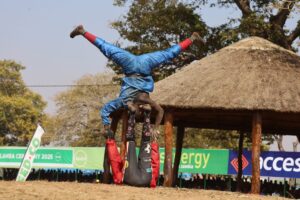
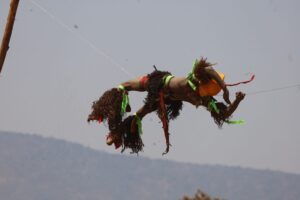
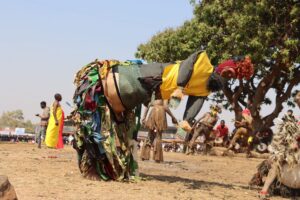
While celebrating the occasion, President Chakwera also used the platform to encourage promotion of practices and customs that respect human dignity and protect children, women and girls.
“I urge chiefs, as custodians of culture, to ensure that harmful practices such as marrying off young girls are eradicated. We must protect children and promote the dignity of every person,” he said.
While asking the gathering to pray for peaceful September 16 General Elections in Malawi, the President noted that Malawi has generally been a peaceful country partly because of the critical role chiefs play in the communities. He also described the Chewa tribe as peace-loving.

Equally, President Hichilema hailed Paramount Chief Gawa Undi for keeping the Kulamba Ceremony alive saying the event does not only promote the Chewa culture, but also brings trade and economic opportunities, including promotion of tourism.
At least 137 chiefdoms in Malawi, 33 in Mozambique and 42 in Zambia, send their leaders to the Kulamba Ceremony in Mkaika to pay homage to King Gawa Undi.
At the climax of the event, chiefs from the three countries kneel down and share their reports with Gawa Undi, briefing him on the state of affairs in their respective countries, an act that is literally known as ‘kulamba’.
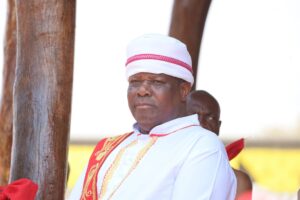
In their ‘kulamba’, chiefs from Malawi said the country has been affected by hunger as a result of dry spells induced by El Niño weather phenomenon.
They therefore asked the President to consider distributing relief maize and ensure that farm inputs are accessible.
They also hailed the president for initiating various development projects, including roads in the country, expressing their continued support for the government.
Gawa Undi also said in his welcome address that the three countries of Malawi, Zambia and Mozambique face similar challenges of food insecurity and called for huge investments in irrigation farming.
Being a cultural event, the ceremony was spiced up by traditional dances including the signature Gule Wamkulu involving masked dancers, some of whom perform while playing with snakes in a show of extraordinariness.
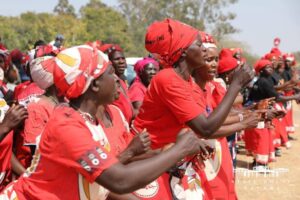
The ceremony, which is recognised by the United Nations Educational, Scientific and Cultural Organisation (UNESCO) as an intangible cultural heritage, also provides an opportunity for the Chewa people to honor their ancestors and conduct an initiation ceremony for girls who have come of age whereby they are taught skills and responsibilities of womanhood.
By bringing together people from Zambia, Malawi, and Mozambique, the ceremony helps to promote cultural exchange, thereby strengthening cultural ties amongst them.
Gawa Undi commended the three countries for ensuring peace and coexistence, which he said have helped allow for the organisation of the cultural event.
“We can’t organise a ceremony of this magnitude if there is no peace. I therefore commend all the three countries for the peace that is there, and I, also, implore the leadership to ensure that there is continued peace.”


Advertisement