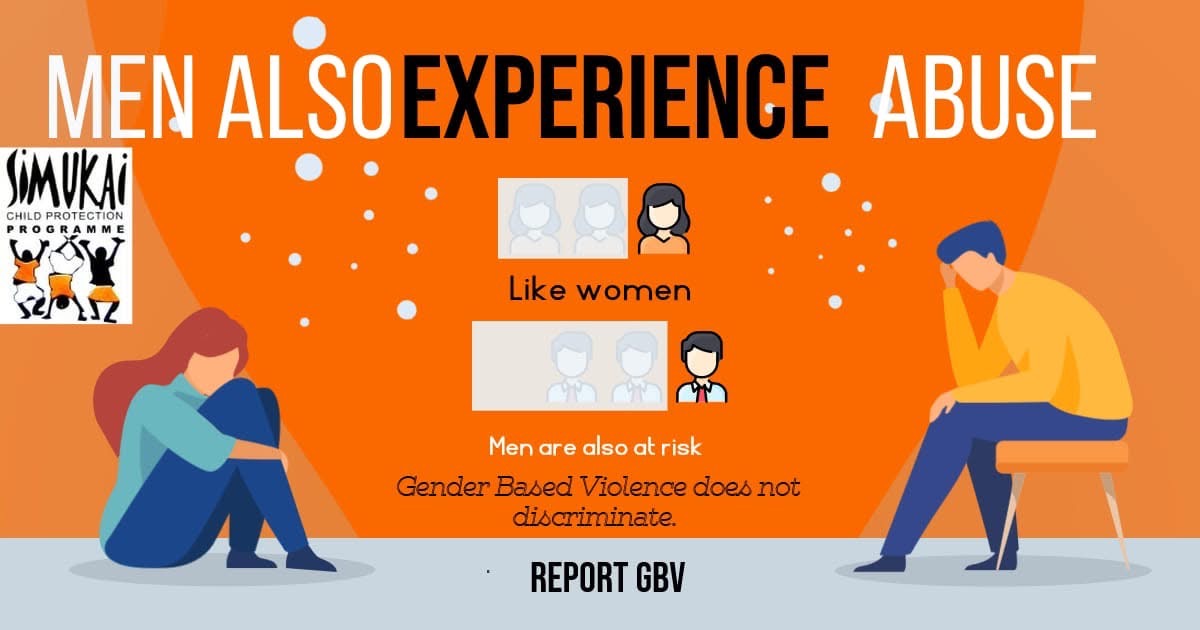
* Police in Mangochi have welcomed the significant and positive shift, as more men are now finding the courage to report GBV cases
* Bi-annual statistics, between January and June 2025, Mangochi’s victim support unit registered 39 compared to 22 cases during the same period in 2024
* This increase reflects growing awareness and confidence among men to speak out, despite long-standing cultural beliefs that discourage them
Maravi Express
Complaints of gender-based violence (GBV) cases by male survivors are increasing in Mangochi, as more men are now finding the courage to do so — because for many years, societal norms and stigma silenced male survivors of abuse, forcing them to suffer in silence.

Advertisement
Mangochi Police public relations officer, lnspector Amina Tepani Daudi reports that they have welcomed this significant and positive shift by men in reporting GBV cases — “marking a crucial development in the fight against GBV”.
She quotes bi-annual statistics for Mangochi Police Station’s victim support unit (VSU), that between January and June 2025, the VSU registered 39 GBV cases involving males, compared to 22 cases during the same period in 2024.
“This increase reflects growing awareness and confidence among men to speak out, despite long-standing cultural beliefs that discourage them,” she said.
“Reported cases include denial of conjugal rights, abandonment by spouses, infidelity, physical abuse by partners, and denial of access to property or finances — particularly in situations where men reside in their spouse’s home under the ‘chikamwini’ system.”

As Mangochi Police, she attributes this rise in reporting to ongoing sensitisation campaigns, strong collaboration with Youth Network Counseling (YONECO), the Ministry of Gender, and other stakeholders advocating for men’s rights.
It also is attributed to the introduction of complaint boxes in rural areas and the operation of mobile courts that issue warnings to GBV perpetrators — “thereby encouraging men to come forward”.
“Police in Mangochi remind the public that GBV can affect anyone, regardless of gender, and emphasise that all reports are handled with confidentiality and professionalism.
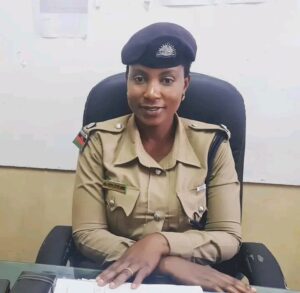
Inspector Amina Tepani Daudi
“VSU officers are trained to support all survivors, and reporting abuse is a sign of courage, not weakness,” emphasises Inspector Tepani Daudi, adding that the Police are further appealling to the community “to support male survivors with compassion and dignity and to refrain from mocking or discouraging those who seek help”.
Just last week, Malawi Human Rights Resource Centre (MHRRC), through its Pamoza Advocacy for Social Justice Project, conducted a two-day orientation for stakeholders in Karonga to strengthen psychosocial support for GBV survivors.
The training, which brought together officers from the district’s Gender Office, Health Department, Judiciary, Malawi Police Service and the media, aimed at enhancing coordination and improving service delivery in GBV response.
A report by Malawi News Agency (MANA) quotes MHRRC project officer, Lyness Soko as saying the initiative was designed to equip frontline officers with knowledge and skills for handling psychosocial issues within their respective sectors.
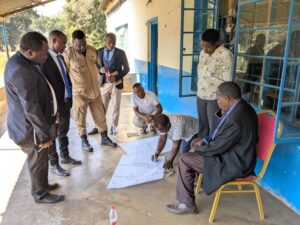
Participants in a group work.—Picture by George Mponda, MANA
“Psychosocial issues remain a critical component in achieving social justice, especially for survivors of GBV and other vulnerable groups,” she said. “It is our wish that stakeholders are well coordinated in offering services besides strengthening the referral system.
“The issue of psycho-social care is often overlooked, yet it plays a vital role in the recovery and reintegration of GBV victims. It is therefore our hope that stakeholders can better provide services with empathy and professionalism,” Soko told MANA.
Karonga District Council gender officer, Ireen Mwenelupembe commended MHRRC for the training, saying many frontline workers lack understanding of psychosocial care despite frequently encountering cases that require it.
“This training is timely — most officers, especially in rural areas, respond to cases of abuse, trauma, or neglect without adequate psychosocial knowledge. Now we are better equipped to handle such cases.”
Present was First Grade Magistrate, Julius Kalambo, who called for strengthened inter-agency collaboration in supporting GBV survivors: “As judicial officers, we often make rulings without fully appreciating the trauma that victims of GBV go through.
“Following this orientation, I believe we will make more informed and compassionate decisions,” Kalambo said.
Meanwhile, First Grade Magistrate for Balaka, Augustine Mizaya disclosed earlier this month that that Balaka was registering over five GBV cases every day, a situation he described as worrisome.
Mizaya said this at the end of a four-day stakeholder’s child protection training on mobile court organised by the Malawi Girls Guides Association (MAGGA) in Balaka — courtesy of Tikwaniritse ndi Kuteteza Ma ufulu a Ana (TiKuMA) project.
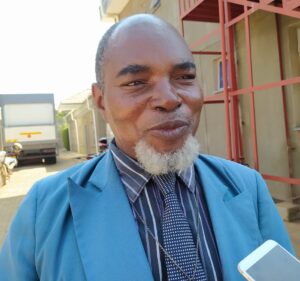
First Grade Magistrate Mizaya.—Picture by Andrew Phiri, MANA
“This initiative will help to reduce the costs of mobility on GBV survivors when accessing justice because the courts will be coming to the community and facilitating the judgement session right there — hence giving opportunity to other community members to appreciate the ruling process,” said Magistrate Kalambo.
On his part, MAGGA project officer for Balaka, Patrick Nyerere said the training aimed at equipping child protection stakeholders from various departments on how GBV cases among children are handled in courts.

“Children in Balaka District have been facing various forms of GBV in their education,” Nyerere said. “As such, we would like to use this gathering and enlighten various stakeholders that are involved in child support and protection at district and community levels to understand how courts bring justice to GBV child cases.
“We hope this system of mobile courts under TiKuMA project will help reduce distance for community members when accessing justice for their children whenever they are victimised.
“It will also coordinate diverse child protection stakeholders from judiciary, police, social welfare, education, hospital and the community such that there will be cordial relationships when dealing with such vice.


Advertisement
Balaka’s social welfare officer, Stanley Chisi said the initiative will help to complement government efforts in curbing the GBV issues on children, hence this will create a conducive education environment for children in the district.
He, therefore, called for concerted effort from all stakeholders in order to foster the protection and overall welfare of children in the district.—Reporting for MANA by George Mponda in Karonga & Andrew Phiri in Balaka; edited by Duncan Mlanjira, Maravi Express