
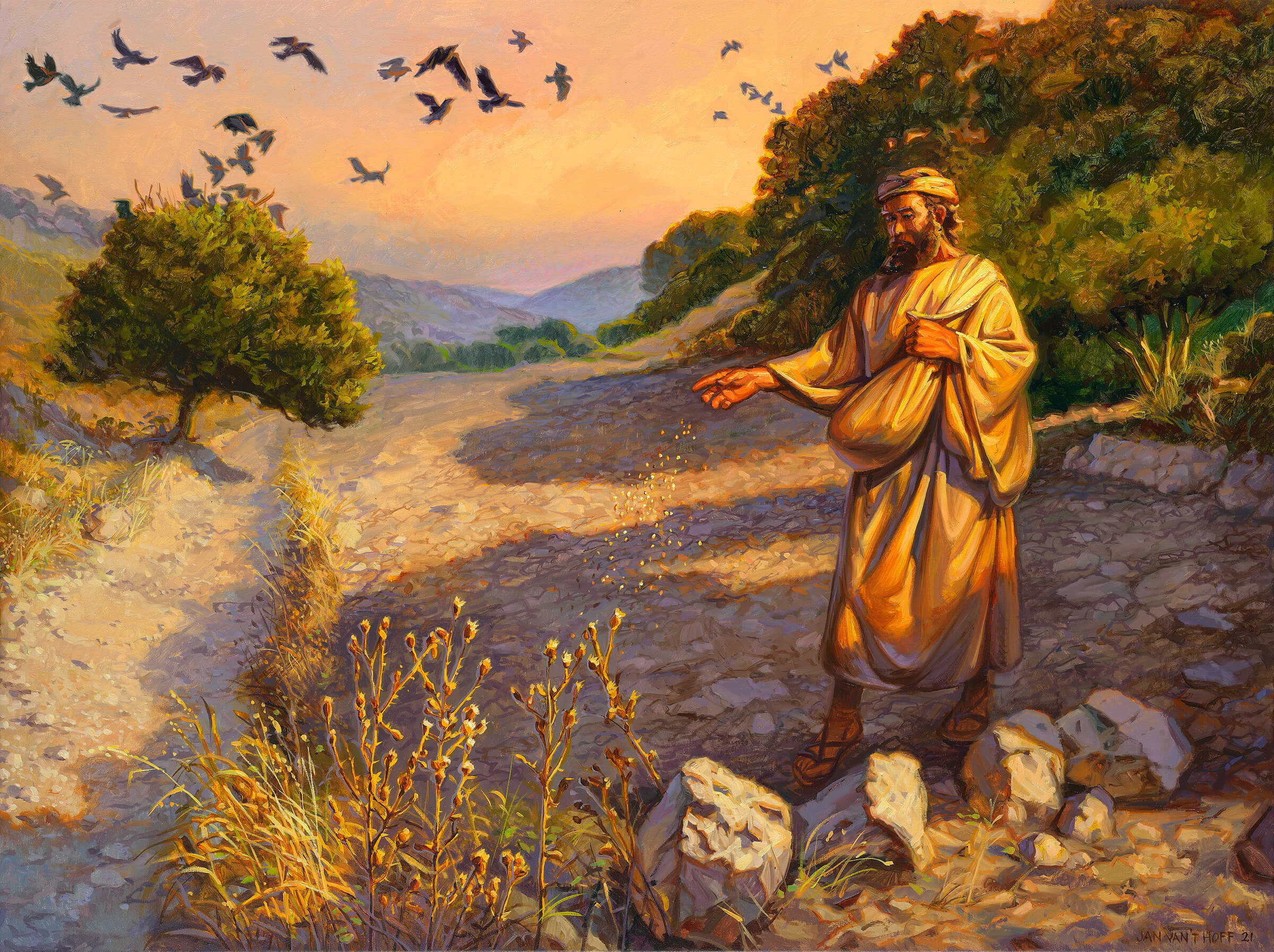
* The Seed on the Path – Indifference; The Seed on Rocky Ground – Impulse; The Seed Among Thorns – Distraction; The Seed on Good Soil – Responsible Citizenship
By Chifipa ‘Chifi’ Mhango, Chief Economist for Don Consultancy Group (DCG)
Good day Fellow Malawians,
When Jesus told the Parable of the Sower, He described how seeds fall on different types of ground — some on the path, some on rocky ground, some among thorns, and some on good soil.
The fate of each seed depended not on the Sower’s effort but on the preparedness of the soil. This timeless lesson offers a striking parallel to how people approach their responsibility in elections.
1. The Seed on the Path – Indifference
Some seeds fell along the path, only to be trampled or eaten by birds. In elections, this reflects those who remain indifferent — ignoring their duty to vote, allowing apathy or cynicism to rob them of their voice. Just as the seed never takes root, their disengagement prevents democracy from flourishing.
2. The Seed on Rocky Ground – Impulse
Other seeds sprouted quickly on rocky soil but withered because they had no roots. These represent those who cast votes without reflection, swayed by slogans, popularity, or temporary excitement. Their choice may spring up in passion but lacks the depth of thoughtful discernment, and in time, the decision proves shallow.
3. The Seed Among Thorns – Distraction
Some seeds were choked by thorns — the cares of life and the lure of riches. Likewise, many voters allow distractions, personal gain, or narrow interests to cloud judgment.
Instead of thinking of the common good, they allow the “thorns” of selfishness, fear, or misinformation to suffocate their responsibility to seek justice and truth at the ballot box.
4. The Seed on Good Soil – Responsible Citizenship
Finally, some seed fell on good soil and produced a bountiful harvest. These are the voters who prepare their hearts and minds, who study issues carefully, evaluate candidates’ integrity, and pray or reflect deeply before making choices.
Their vote is rooted in wisdom, conscience, and care for the wider community — and through them, democracy bears fruit.

Advertisement
Ladies and gentlemen, fellow compatriots and comrades, the Parable of the Sower reminds us that democracy thrives when citizens prepare the soil of their conscience.
Voting is not just a civic duty but also a moral one. Each ballot is a seed. If sown in indifference, impulse, or distraction, it bears little fruit. But if cast with thoughtfulness, integrity, and love for neighbor, it can yield a harvest of justice, peace, and hope.
In this way, Jesus’ Parable still speaks today, as the future of nations depends on the soil in which we plant our votes. Malawi’s economic hardships over the last five years under the Malawi Congress Party (MCP) has been tough to bear, according to data sourced from the International Monetary Fund (IMF), World Bank and Reserve Bank of Malawi (RBM).

1. Economic Growth & GDP
* Stagnant or sluggish growth: Real GDP growth slowed significantly — from an average of 4.1% between 2011–2019 to just 2.2% since 2020. In 2024, growth dipped to 1.8%, outpaced by a population growth rate of 2.6%, resulting in shrinking GDP per capita.
2. Inflation, Currency & Fiscal Pressures
* Inflation soared: Annual inflation spiked to 25-34% in 2022–2023, easing to around 28% in 2024, representing high costs of living in the country.

* Currency devaluation: The Malawi kwacha depreciated sharply — from MWK814/US$ in 2021 to MWK1,683 in 2023, and roughly MWK1,733 by the end of 2024.
* Fiscal deficits & debt strain: The fiscal deficit fluctuated between -2.9% in 2023 and a larger -7.9% of GDP in 2024, while public debt peaked to over 80% of GDP in 2024.
3. Agriculture, Food Security & Climate Impacts
* Malawi remains heavily dependent on agriculture, which employs around two-thirds of the population and remains vulnerable to climate shocks like droughts and cyclones.
* Drought in 2023, aggravated by El Niño, devastated 23 of 28 districts — impacting 44% of the nation’s corn crop and forcing a national disaster declaration.

Effects of Cyclone Ana
* Cyclone Freddy (March 2023) shattered communities in southern Malawi — destroying tens of thousands of homes, displacing hundreds of thousands, and inflicting massive economic damage.
* Climate change continues to threaten food and water security. The World Bank warns it could shave 3-9% off GDP by 2030, and up to 16-20% by 2040-2050, if climate adaptation isn’t accelerated.
4. Aid Dependency & External Shocks
* Malawi is highly aid-dependent. In 2024–25, USAID freeze — over US$350 million annually — accounted for over 13% of Malawi’s budget. This disrupted essential services, including HIV medication and education bursaries, worsening economic fragility.
* Earlier in 2025, termination of a key US-funded health program also disrupted maternal and infant health services, raising concerns over potential reversals in health progress.


Advertisement
5. Migration & Social Challenges
* Inflation, unemployment, and devaluation have driven many Malawians to migrate, especially to South Africa. However, South Africa’s intensified crackdowns and deportations have left returnees stranded in poverty-stricken communities.
* Mental health crisis: Economic strains linked to COVID-19 caused a 57% spike in suicide cases in 2020, with rates doubling by 2022. In response, Malawi passed a landmark Mental Health Bill in April 2025 to improve care and protect rights.
* Elections in Malawi now use a two-round system: a candidate must secure over 50% of the vote to win outright — otherwise, a runoff will be held.
6. Malawian voters need to evaluate on Key Election Issues
Voters must reflect on several pressing concerns:
* Economic and governance challenges — including managing inflation, boosting agriculture, and fighting corruption.
* Human rights and civic freedoms, such as freedom of expression, assembly, and minority protections.
* Integrity of the electoral system, particularly the use of Smartmatic EMDs and transparency in vote counting.
7. Defending Democracy & Institutional Trust
Malawi’s democracy is under scrutiny — voters must choose leaders who will:
* Uphold judicial and electoral independence to avoid a repeat of past controversies.
* Ensure credible and transparent election administration, especially amid concerns about the Malawi Electoral Commission’s impartiality.
* Support democratic norms like press freedom and civic space

8. Decision Area Key Choice for Voters
* Presidential candidate: Lazarus Chakwera, Peter Mutharika, Joyce Banda, Atupele Muluzi, or Dalitso Kabambe
* Party/Alliance: MCP, DPP & AFORD (Blue Alliance), UDF, UTM, PP;
* Issue Focus: Economy, governance, human rights, electoral trust;
* Democratic Values: Commitment to transparency, rule of law, freedoms.
Ladies and gentlemen, fellow compatriots and comrades, the coming 16th September 2025 elections in Malawi are about more than personalities — they are a referendum on Malawi’s direction; economic stability, social justice, democratic strength, and unity.
Next week, Malawians have the power to choose leadership — by both candidate and vision — that will shape the nation’s future.
Challenge Key Insight (past 5 years under MCP-led government)
* Economic Growth: GDP growth stagnated; per capita decline;
* Inflation & Currency: Double-digit inflation; major kwacha depreciation;
* Fiscal Stress: High deficits and mounting public debt;
* Climate & Agriculture: Crop failures, disaster damage from droughts and cyclones
* Aid Reliance: Disruption of essential services due to aid freezes;
* Social Impacts: Rising migration, mental health struggles
So far, Peter Mutharika is seen as a ‘Man of the Moment’ in this election, based on polls surveys, despite attempts to discredit him over his age. He represents “the one who is about to score the winning goal” and the people are clearly understanding the way he managed the economy Malawi during his time.
We wish all peace-loving Malawians a good election day on 16th September 2025. May the will of Malawians prevail. Malawi belongs to all who live in it and who love it, within and outside its borders.
Malawi forever for all…

* Chief Economist, Chifipa ‘Chifi’ Mhango is Director of Economic Research & Strategy for Don Consultancy Group in South Africa