

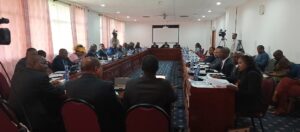
* Shortcomings from PAC’s inquiry seating yesterday point to a broader need for capacity strengthening within parliamentary committees
Analysis by Chifipa Mhango, Chief Economist, Don Consultancy Group
The effectiveness of parliamentary oversight rests not only on institutional authority, but on the quality of engagement between Members of Parliament (MPs) and those called to account.

Advertisement
Yesterday’s sitting of Malawi’s Public Accounts Committee (PAC), in its interaction with witness, Prince Kapondamgaga (former Chief of Staff to ex-President Dr Lazarus Chakwera), unfortunately revealed significant weaknesses in this regard, raising broader concerns about the state of legislative scrutiny and governance accountability.
At the heart of this was the apparent inability to articulate clear, structured, and purposeful lines of questioning. Oversight is not merely about asking questions, it is about asking the right questions.
Effective interrogation requires preparation, clarity of thought, and an understanding of both the subject matter and the intended outcome.
In yesterday’s session, however, questions were often fragmented, repetitive, or lacking logical progression, making it difficult to extract meaningful responses from the witness.
A particularly concerning feature of the engagement was the overreliance on emotional expression rather than evidence-based inquiry. While passion in public service is commendable, it must be balanced with professionalism and analytical rigor.
Emotional reactions, at times bordering on confrontational, did little to advance the substance of the discussion. Instead, they risked undermining the credibility of the Committee and detracting from the seriousness of its mandate.
Equally troubling was the limited demonstration of research on key topical issues. Parliamentary committees are expected to serve as technical engines of accountability, where members are well-versed in the details of the matters under review.
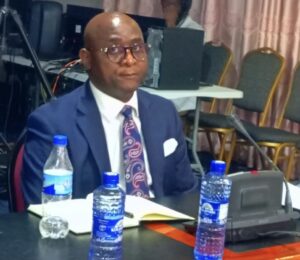
Prince Kapondamgaga
Yet, several questions posed to Mr. Prince Kapondamgaga suggested a superficial understanding of the underlying issues. For instance, there were missed opportunities to probe inconsistencies, follow up on documented findings, or challenge the witness with specific points.
In some cases, MPs appeared to rely on general assertions rather than verified facts, weakening the overall effectiveness of the session.
Another notable gap was the lack of coordination among committee members. Effective oversight often requires a strategic approach, where questions are sequenced to build a coherent narrative and progressively narrow in on key issues.
Instead, yesterday’s engagement was characterised by disjointed interventions, with MPs frequently revisiting the same points without adding depth or new insight. This not only wasted valuable time but also allowed the witness to avoid deeper scrutiny.
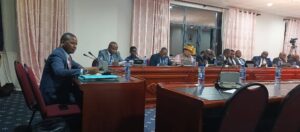
These shortcomings point to a broader need for capacity strengthening within parliamentary committees. To enhance the quality of future engagements with witnesses, several practical steps can be taken, and as Don Consultancy Group, we propose the following:
1. Strengthening research support — MPs must be equipped with robust briefing materials ahead of hearings. Dedicated research teams should provide concise, data- driven summaries, highlighting key issues, inconsistencies, and areas requiring clarification. Preparation is the foundation of effective oversight;
2. Structured questioning techniques — Members should adopt a more disciplined approach to questioning, starting with broad framing questions, followed by targeted probes, and concluding with clarifications. Training in investigative questioning techniques can significantly improve the quality of engagements;
3. Reducing emotional bias — While accountability processes can be politically charged, MPs must prioritise objectivity. Maintaining composure and focusing on facts enhances both the credibility of the Committee and the likelihood of obtaining substantive responses.
4. Enhancing coordination within committees — Pre-hearing strategy sessions can help align members on key objectives and allocate thematic areas of questioning. This ensures a more cohesive and efficient interrogation process.
5. Continuous capacity building — Regular training in public finance management, audit interpretation, and sector-specific issues can empower MPs to engage more effectively with complex matters. Oversight is a technical function, and it demands continuous learning.
6. Leveraging evidence-based oversight — MPs should anchor their questions in documented evidence, such as audit reports, financial statements, and prior testimonies. This not only strengthens their position but also limits the ability of witnesses to evade accountability.
In conclusion, yesterday’s PAC session represents a missed opportunity to reinforce accountability and transparency. However, it also serves as an important learning moment — for parliamentary oversight to fulfil its constitutional mandate, it must evolve beyond rhetoric and embrace a more disciplined, informed, and strategic approach.
The credibility of Malawi’s governance institutions depends on it.
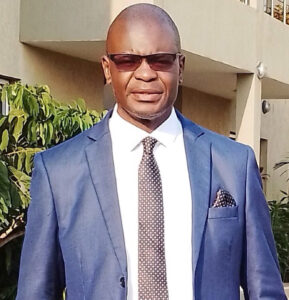
Chifipa Mhango
* Chifipa Mhango is the Chief Economist at Don Consultancy Group, specialising in macroeconomic analysis, public policy, and governance across emerging markets, particularly in Africa. He is known for providing data-driven insights on economic trends, fiscal policy, and institutional accountability, with a strong focus on strengthening economic and governance frameworks.

Advertisement