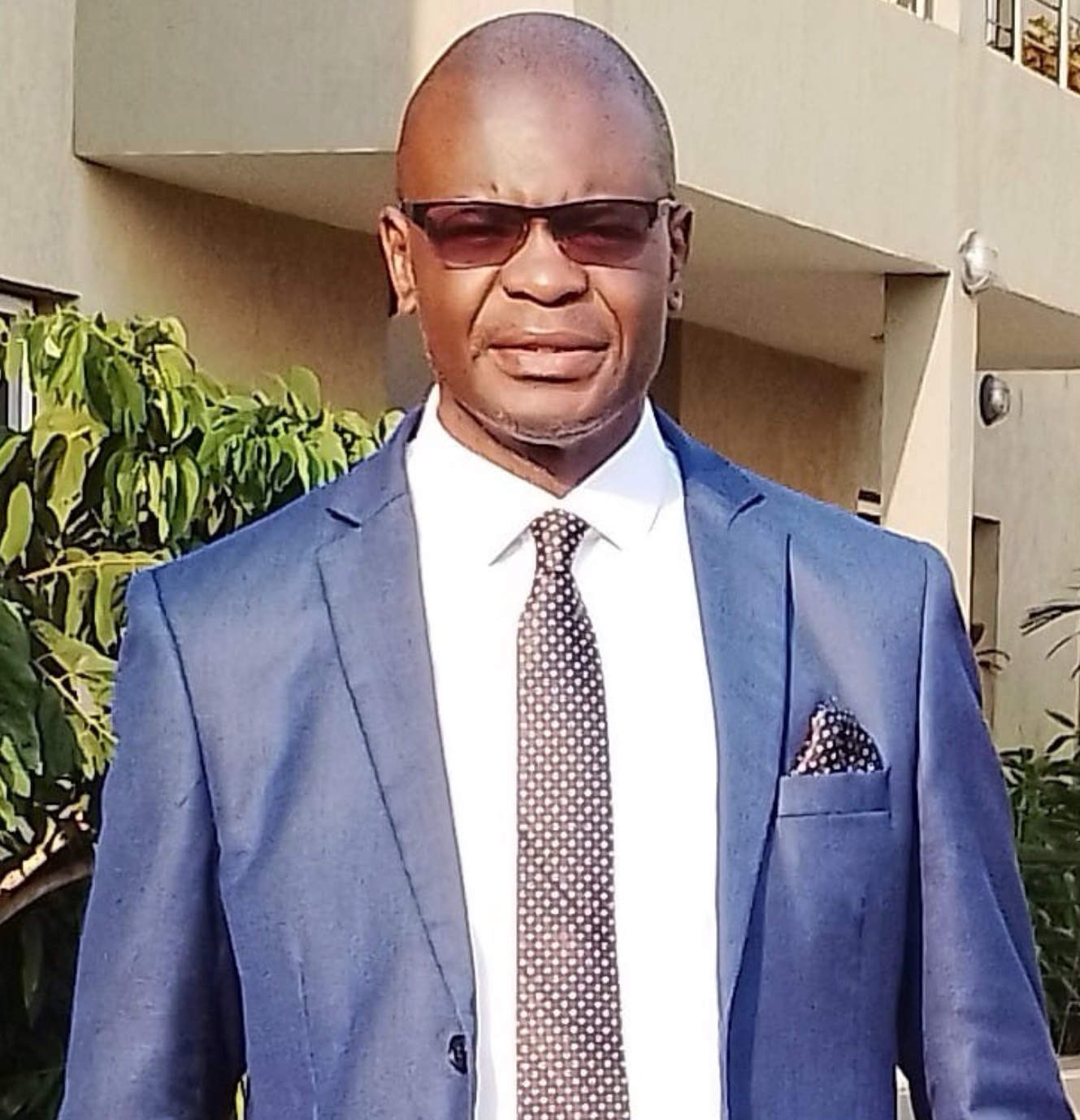
Chief Economist Chifipa Mhango
* Under his leadership, Malawi is witnessing a restoration of policy credibility, strategic focus, and development momentum
* His international exposure, economic acumen, and decisive governance style are clearly shaping a modern, competitive, and inclusive economy
* From macroeconomic stabilisation to industrialisation, from human capital development to digital governance, the SONA provides a strong foundation for sustained growth and resilience
* The policy direction articulated in this Address positions Malawi on a credible path towards recovery, prosperity, and long-term economic transformation, and must be combined with speedy implementation
Analysis by Chifipa Mhango, Chief Economist-Don Consultancy Group
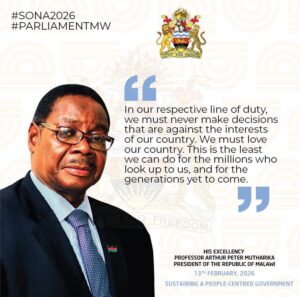
As Chief Economist of Don Consultancy Group (DCG), I commend the 2026 State of the Nation Address (SONA) delivered by President Arthur Peter Mutharika for providing a clear and credible roadmap towards economic recovery.
At a critical moment in Malawi’s national development, SONA reflects disciplined leadership, strong international perspective, and a firm commitment to people-centred growth.
The policies outlined lay a solid foundation for restoring confidence, stimulating investment, and strengthening institutions. This analysis highlights how the President’s vision positions Malawi for sustainable growth, resilience, and shared prosperity.
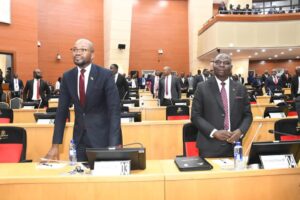
A renewed vision for national recovery
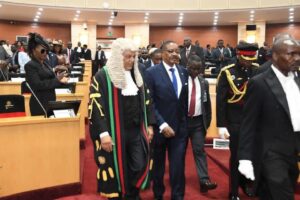
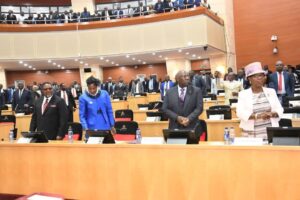
President Mutharika’s SONA), under the theme; ‘The Path to Economic Recovery: Delivering a People-Centered Development’, represents a decisive and forward-looking roadmap for Malawi’s economic transformation.
The SONA outlines a comprehensive reform agenda aimed at stabilising the economy, restoring investor confidence, and placing citizens at the centre of development.
At a time when Malawi faced severe challenges, ranging from food insecurity and foreign exchange shortages to rising inflation and institutional weaknesses, the President’s address demonstrates clarity of purpose, international best practice, and strong political will.
His global exposure and experience in economic diplomacy are reflected in the pragmatic, results-oriented policy direction presented to Parliament.
Restoring confidence and economic growth
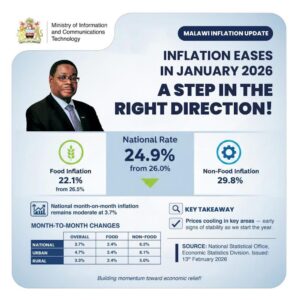
One of the most significant achievements highlighted in the SONA is the Government’s early success in restoring macroeconomic stability. Inflation has begun to moderate, prices of essential commodities have stabilised, and growth projections indicate a positive trajectory and clearly supported by latest data that shows headline inflation easing to 26%, with food inflation rate down to 26.5% from the 30.1% previous reading.
The administration’s emphasis on fiscal discipline, austerity measures, and public sector reforms, including elimination of ghost workers, reduction of non-essential expenditure, and merit-based appointments, signals a commitment to sound economic governance.
These measures directly address Malawi’s long-standing problems of inefficiency and fiscal leakages. Furthermore, reforms in foreign exchange management, gold monetisation, and export promotion reflect a sophisticated understanding of balance-of-payments challenges.
This approach demonstrates leadership informed by international economic practice, positioning Malawi for sustainable macroeconomic recovery.

Advertisement
Anchoring economic resilience
Agriculture remains the backbone of Malawi’s economy, and President Mutharika’s focus on food security is both strategic and timely. The prompt procurement of maize and fertilizer has stabilised markets and reduced vulnerability among households.
The commitment to local fertilizer production is particularly noteworthy. By reducing reliance on imports, Malawi will lower production costs, conserve foreign exchange, and enhance farmer productivity.
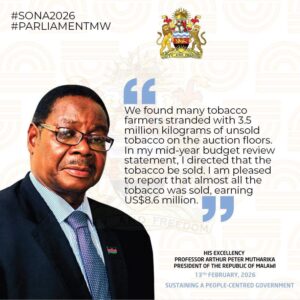
The resolution of tobacco marketing challenges and the redesign of mega-farms further strengthen agricultural value chains. These interventions collectively address food insecurity, rural poverty, and external vulnerability, key structural constraints to Malawi’s long-term growth.
Empowering communities
The unprecedented increase in the Constituency Development Fund (CDF) and the introduction of digital monitoring systems represent a major institutional reform.
By devolving financial authority and enhancing transparency, the Government is empowering communities to determine their development priorities. This approach promotes inclusive growth, reduces regional disparities, and strengthens accountability at grassroots level.
The construction of modern market infrastructure in major cities, supported by international partners, will enhance local trade, improve value chains, and stimulate urban and peri-urban economies.
Building a productive economy
President Mutharika’s vision of transforming Malawi from an importing to an exporting nation reflects a strategic shift towards structural transformation. The establishment of Special Economic Zones and support for micro, small & medium enterprises (MSMEs) are critical enablers of industrial growth.
These initiatives will promote value addition, job creation, and technology transfer. By strengthening cooperatives and small enterprises, the Government is broadening participation in industrialisation and reducing dependency on primary commodity exports.
This industrial strategy aligns with regional and global best practices and demonstrates the President’s appreciation of international competitiveness dynamics.
Powering development
Reliable energy and efficient transport systems are foundational to economic growth. The rehabilitation of hydro, biomass, and solar facilities — coupled with ambitious capacity expansion targets — will significantly reduce power shortages.
Similarly, major investments in roads, rail, aviation, and water transport are set to lower logistics costs, improve market access, and enhance regional integration. The partnership with Ethiopian Airlines and expansion of rail corridors illustrate a globally connected infrastructure strategy.
These interventions will improve productivity, attract investment, and position Malawi as a regional trade hub.
Unlocking sustainable wealth
The reform of the mining sector, including licensing audits, export controls, and capacity building, reflects responsible resource governance.
The planned Sovereign Wealth Fund represents a forward-thinking mechanism to ensure that mineral revenues benefit future generations. This approach mirrors international best practice and underscores President Mutharika’s commitment to intergenerational equity.
Through MAMICO’s enhanced role, Malawi will be better positioned to negotiate fair mining agreements and promote domestic beneficiation.
Investing in people
The President’s strong emphasis on education, health, and skills development highlights his people-centred development philosophy.
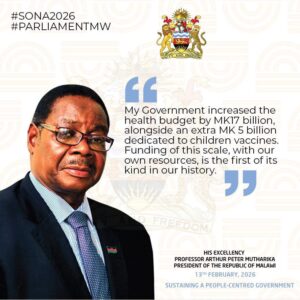
Free secondary education, expanded university financing, improved drug availability, and major health investments are strengthening Malawi’s human capital base. Youth and women empowerment funds further support inclusive participation in economic activity.
These policies will raise labour productivity, reduce inequality, and support long-term competitiveness.
Strengthening institutions
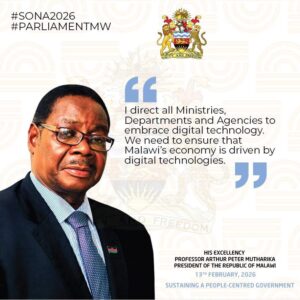
The commitment to digital government services, rule of law, and zero tolerance for corruption reflects decisive leadership.
Digital identity systems, online public services, and transparent procurement platforms will improve efficiency and reduce rent-seeking behaviour. This institutional modernisation enhances Malawi’s investment climate and international credibility.
President Mutharika’s emphasis on accountability demonstrates leadership grounded in global governance standards.
Leveraging global partnerships
The recalibration of Malawi’s diplomatic network to focus on investment, remittances, and trade signals a results-oriented foreign policy.
The substantial health sector grant from the United States and renewed donor confidence underscores international trust in the administration. This reflects the President’s extensive international exposure and ability to engage strategically with global partners.
Such diplomacy will be vital in mobilising finance, technology, and markets for Malawi’s development.
A leadership model for sustainable transformation
President Peter Mutharika’s 2026 SONA presents a coherent, integrated, and credible development agenda. It combines fiscal discipline, structural reform, social investment, and institutional strengthening in a manner consistent with international best practice.
Under his leadership, Malawi is witnessing a restoration of policy credibility, strategic focus, and development momentum. His international exposure, economic acumen, and decisive governance style are clearly shaping a modern, competitive, and inclusive economy.
From macroeconomic stabilisation to industrialisation, from human capital development to digital governance, the SONA provides a strong foundation for sustained growth and resilience.
As Chief Economist of Don Consultancy Group, I am confident that the policy direction articulated in this Address positions Malawi on a credible path towards recovery, prosperity, and long-term economic transformation, and must be combined with speedy implementation.