
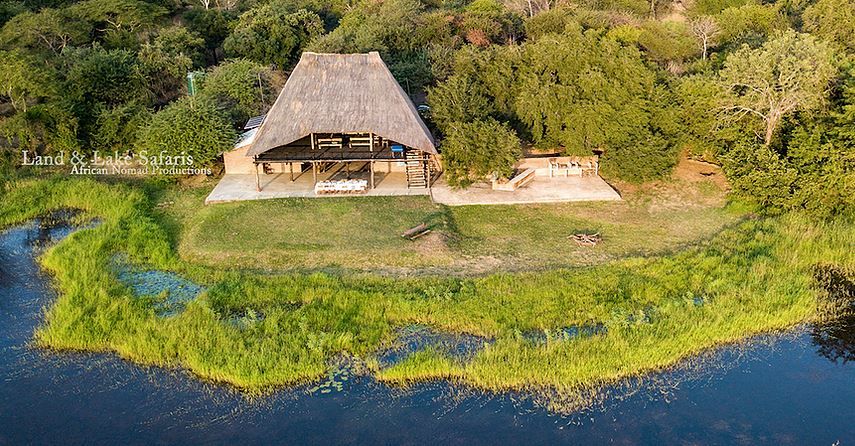
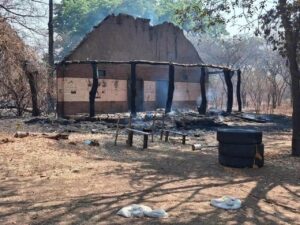
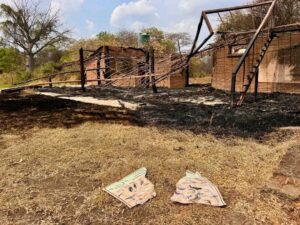
* At a time when Malawi is struggling to promote tourism and earn much-needed forex, it’s heartbreaking to see Kuti Wildlife Reserve in Salima torched by the villagers
* This is what it looks like when criminals don’t face consequences for their actions — they take it further and further
* The sad part is that the place got burned two days after this year’s commemoration of World Tourism Day, which marked the National Tourism Month
By Duncan Mlanjira
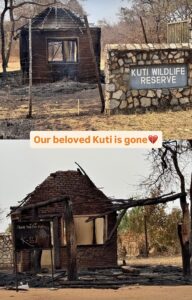
Two days after this commemorating the World Tourism Day, which also marked the launch National Tourism Month, Kuti Wildlife Reserve’s tourism infrastructure in Salima was torched to the ground by surrounding village members on Monday, September 28.
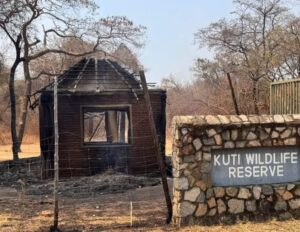
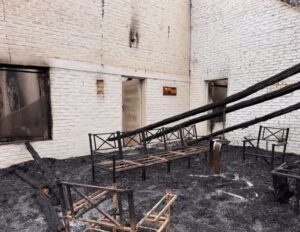
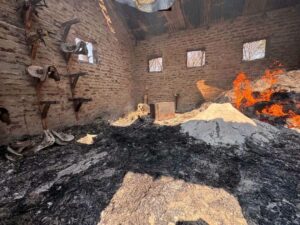
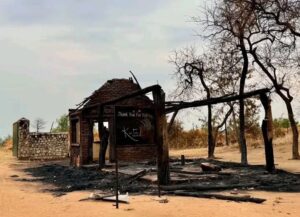
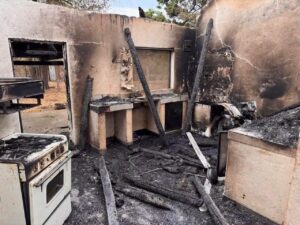
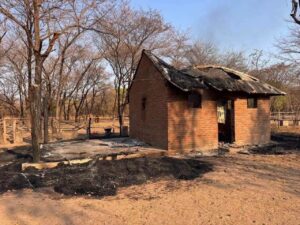
Reports emerge that the villagers encroach into the forest reserve to poach wildlife and steal trees and on that particular day, Kuti Wildlife Reserve’s game rangers intercepted some intruders.
The game rangers, who were professionally trained to protect the reserve, reportedly fired into the air to disperse the poachers but one of them is alleged to have drowned in the reserve’s river as he fled.
The villagers then took the law into their own hands by alleging that their relation was shot dead by the rangers.
Despite the rangers and management of Kuti Wildlife Reserve’s denial and explanation that the deceased drowned as he ran away from the scene they were spotted at, the villagers went ahead to torch down the facility’s huge investment.

Advertisement
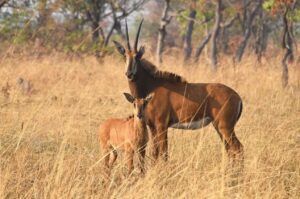
The tourist facility has since been closed and by now the community must probably be on the rampage to cut down every tree available, including killing the wildlife — that include giraffes, zebras, sable, antelopes, among others.
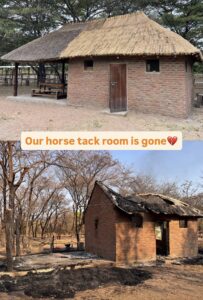
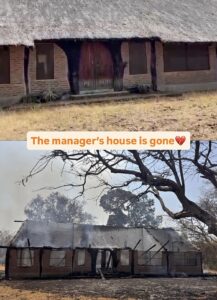
Owner of the place, Dilo van Commenée published on his Facebook account some pictures of the destroyed tourism hospitality facility saying: “I was advised to not share all details online of what really happened on Monday.
“Apparently the truth is too painful. I expect the pictures will say enough though. This is what happens when you successfully fight tree cutters and poachers, who then fight back harder because they can get away with everything.
“This is what it looks like when criminals don’t face consequences for their actions — they take it further and further.
“Over 50 Malawian jobs are lost; a destination that welcomed large numbers of local visitors is lost; one of the few venues in Salima that had the potential to generate more and more forex is lost.
“The only place in Malawi to ride horses between zebras and other animals is lost; the country’s most accessible real wildlife reserve to be explored by families and schools is lost.
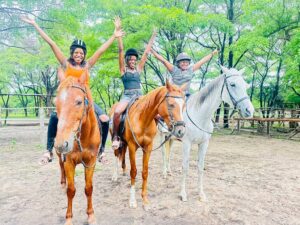
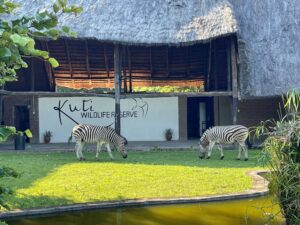
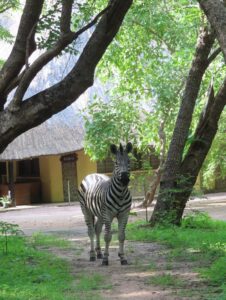
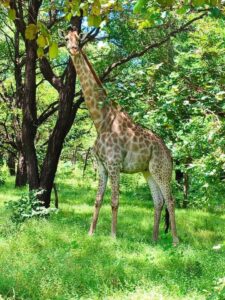
“A perfect hub for nature education and research is lost; the Kuti Dream is lost. Our hard-working, dedicated and super sweet team is heartbroken. We’re all soul-broken.
“At least, we can be grateful that every person and every horse was successfully evacuated. We’re all safe now. I wish we could say the same for the unique ecosystem at Kuti.
“We can only hope that those who caused this will soon face justice. Just like those who failed Kuti when they should’ve helped,” wrote Dilo van Commenée.
It’s one week now, but the silence is very deafening from Ministry of Industrialisation, Business, Trade & Tourism on what action is being taken to protect this ecosystem in Salima.
At a parade to commemorate World Tourism Day and the launch of the country’s National Tourism Month, Minister Simon Itaye, reaffirmed commitment to promoting Malawi as a premium and competitive tourism destination, with tourism identified as a key sector in driving economic transformation, job creation and investment in line with MW2063.
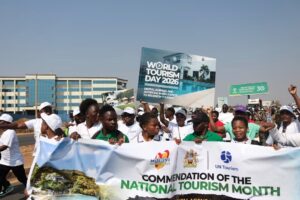
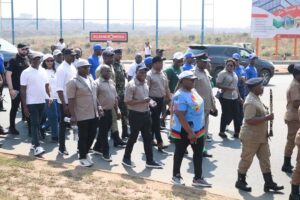
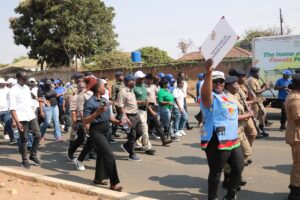
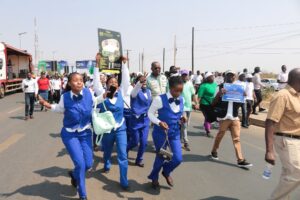
He emphasised that Malawi has vast tourism potential that requires increased promotion and investment — highlighting the country’s lakes, mountains and wildlife as some of the attractions that can be marketed to both local and international visitors.
He indicated that the Ministry, through the Department of Tourism, have been undertaking various activities to promote the country’s tourism destinations.
The Minister further stressed that tourism is an important component of the national development agenda, describing it as a sector with significant potential to contribute to economic growth without requiring the level of investment demanded in some other sectors.
He also emphasised the need for stronger private sector participation in implementing the National Tourism Master Plan, highlighting priority projects including the development of tourism facilities such as the Golden Sands at Cape Maclear in Mangochi, Salima Integrated Waterfront Resorts, Likoma Activity Centre and the proposed Cable Cars project on Mount Mulanje.
But what is he saying about the eerie incident that took place at Kuti Wildlife Reserve? Nothing!
Journalist Arkangel Tembo paints the disheartening picture in his piece on Facebook, entitled; ‘Kuti is gone, you burnt your own future: are you happy now?’
He laid it bare and for 20 years, an investor “with a vision built something we as Malawians have failed to build in 60 years of independence”.
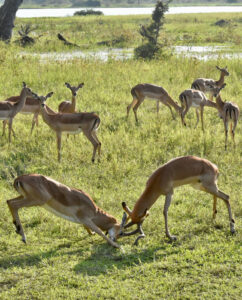
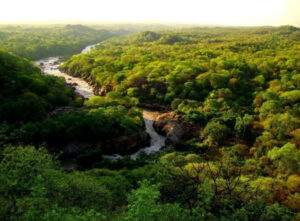
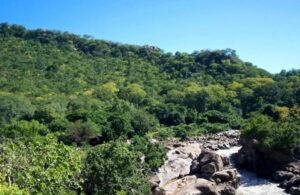
He indicated that the 58,000 acres Kuti Wildlife Reserve — about one and a half hour drive from Lilongwe is home to zebras, sable, giraffe, antelopes and over 300 species of birds.
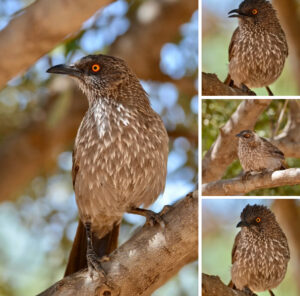
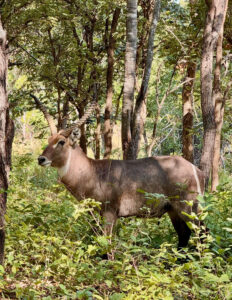
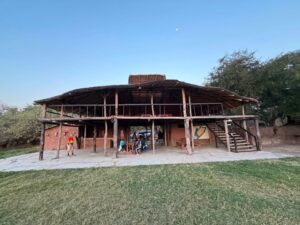
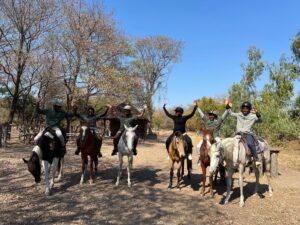
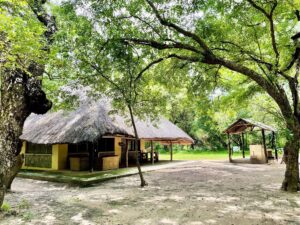
He has that the experience the reserve “is the only park in Malawi where you could walk, cycle, ride a horse” to view its wildlife without [being attacked by ferocious game].
Tembo also highlights that it was not just about the wildlife at Kuti, it was jobs: “Kuti employed our people — guides, rangers, cooks, cleaners, builders.
“Gilbert and others who welcomed tourists with a smile. It paid school fees for children in surrounding villages; it bought maize from local farmers, it brought its visitors who slept in its lodges to buy curios.
“Today? You burnt it. You — the villagers around it — you set fire to the bush because of a man who was found dead. In your own thinking you thought guards had a hand?”
Tembo gave an example that in Kenya, surrounding communities of Masai Mara protect the reserve because they know the wildlife brings lots of tourists.
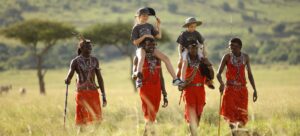
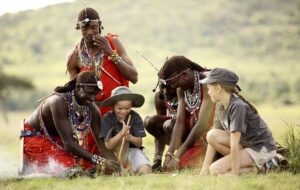
They have community conservation initiatives from which they receive millions of shillings as revenue share while in Zambia’s South Luangwa, villagers are wildlife scouts.
“They protect the animals because the animals pay their clinic bills. In Rwanda, they named baby gorillas and gave villages 10% of gorilla tourism — millions of dollars. No Rwandan dares burn a forest.
“Only in Malawi do we burn our own wildlife reserve. We complain that tourism is dead, we complain jobs are gone — but when someone brings tourism to our doorstep, we burn it.
“We did the same to Dzalanyama for charcoal. We did the same to Nthungwa Hills.
We are a nation that eats its own seed. You burnt Kuti not because you are poor but because you are short-sighted and selfish.
“If we don’t jail people who burn wildlife reserves, we will soon have no reserves left. Just ash, charcoal, and poverty.
“Kuti is gone — and we killed it ourselves,” concluded Tembo in his passionate piece.
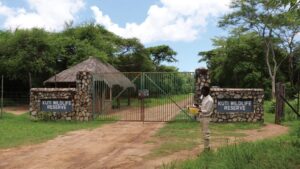
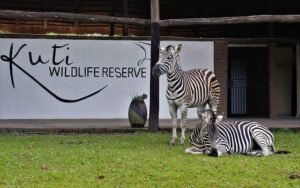
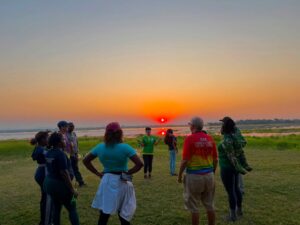
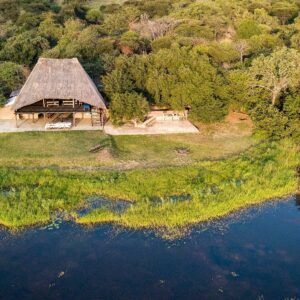
On his part, Hanif Munthali expressed his displeasure over the incident, saying: “Kuti was a beautiful place where you could enjoy game drives on horseback, beautiful sunsets and sunrises, family games, and so much more.
“May Kuti Wildlife Reserve team find the strength and support needed to rebuild,” he said, while commiserating with Dilo van Commenée.
“Sending you and the team strength, love, and positive energy as you are figuring out to rebuild what you’ve created with so much heart and dedication. May Kuti Wildlife Reserve rise again, stronger and more beautiful than ever,” he said.
Tobi Yasi responded: “The sad part is that the place got burned two days after this year’s World Tourism Day. But what is sadder is that the Ministry of Industrialisation, Business, Trade & Tourism are quiet.
“Not even an acknowledgement of what has happened and to indicate they are investigating” to bring the culprits to book.
He hinted that maybe the Ministry is still “in hangover of World Tourism Day — paja sitimatha kupanga juggle multiple issues at a time”.

Advertisement
Blaq Myk wrote: “As a wildlife enthusiast and Malawian citizen, I was heartbroken to see the images from our friends at Kuti Wildlife Reserve in Salima this week.
“Kuti was not just a lodge. It was a classroom for our children, a safe haven where families could walk among zebra and giraffe, the only place in Malawi to ride horses in the wild, and a workplace for over 50 hard-working Malawians.
“Today that dream is in ashes. What happened on Monday should concern all of us who believe in tourism, conservation and coexistence.
“When conflict turns to destruction, we all lose the community loses jobs, Malawi loses forex and a treasured local destination, and our wildlife loses a safe home.
“I stand in solidarity with Director Dilo van Commenée and the entire Kuti team. We thank God that all staff and horses were safely evacuated.
“This is a moment for us to reflect as a nation. Conservation needs community. Without the community, there is no conservation.
“Justice must follow due process. Violence should never be the answer. We must protect those who protect our nature.
“Rangers, guards and conservation workers need our support and protection under the law. An injury to one reserve is an injury to all of us.
“I call upon fellow tourism operators, communities and leaders to choose dialogue over destruction, and to work together to rebuild.We need to move forward as a nation!”
Ian Bartlett, the environmental conservationists who privately manages Mpatamanga Wildlife Ranch in Neno — which is acclaimed as Malawi’s remarkable conservation story — also shared his feelings, saying:
“I was one of the early members of the Wildlife Producers and Hunters Association of Malawi (WPHAM), an organisation that played a key role in establishing Kuti Wildlife Reserve.
“My own journey later led me to Mpatamanga Wildlife Ranch, where for 20 years I worked to conserve a remarkable piece of wild Malawi along the Shire River.
“The successes, struggles and realities of that journey are told in my book; ‘Mpatamanga: My Twenty-Year Fight for Africa’s Wild Places’.
“If reports that Kuti has effectively ceased operating are correct, I believe this represents a serious setback for conservation partnerships in Malawi.
“I would encourage the Department of National Parks & Wildlife to clarify the situation and work towards strengthening partnerships with private wildlife producers, landholders and conservationists.
“Protecting Malawi’s wildlife and remaining wild places requires cooperation between government and the people doing conservation work on the ground.
“Conservation works best when those who share the same goal work together,” wrote Bartlett, popularly acclaimed as the Real Crocodile Hunter.
During the launch of the National Tourism Month, Malawi Tourism Council chairperson, Justin Zinkambani made what is being described as just political rhetoric, when he reportedly stated that the industry “is making progress, with improvements in infrastructure, including roads leading to tourism destinations, contributing to increased accessibility”.
This is reported on the Ministry’s media platform, saying Zinkambani encouraged continued efforts to promote Malawi’s tourism products, noting that the sector has the potential to make a significant contribution to the national economy.
But with their silence over the sad incident at Kuti Wildlife Reserve, coupled with the statement from owner, Dilo van Commenée — that he was advised to not share all details online of what really happened on September 28 — does indeed render the Ministry’s statements as just rhetoric.
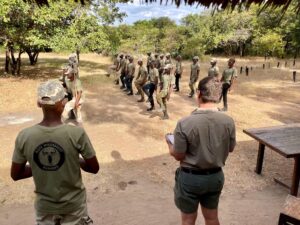
Kuti Wildlife Reserve posted on its Facebook account in July after successfully training some game rangers that two and a half years ago, the place “was overtaken by tree cutters and wildlife poachers”.
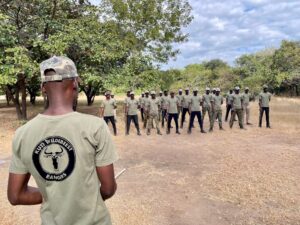
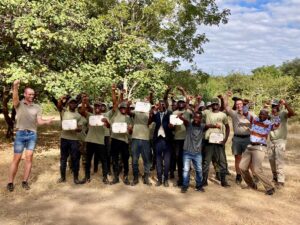
“Every minute of every day, you could hear the sound of axes chopping down wood. At night, there was the barking of hunting dogs.
“Now, it’s peaceful and quiet again. Trees are regrowing and animals are successfully raising their babies. No more sounds of destruction, just birds singing and a slow breeze rustling through the leaves of healthy trees.
“The bush is extremely resilient, and we’re amazed how quickly she gets back on her feet when protected properly.
“Not only does our professional ranger team do a fantastic job to keep everything and everyone safe, they now even started training a new generation of nature conservationists!
“The Kuti Ranger Academy is one of our biggest achievements so far, and clear evidence that we’re on the right track.”
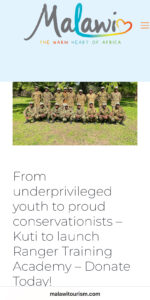
Kuti is well documented by Malawi Tourism Department, as in March 2024, it facilitated the launch of securing its future by launching the Kuti Ranger Academy, led by trainer and anti-poaching expert, Matt Destremau, who played an important role in the recovery of Kasungu National Park.
On its website, the Malawi Tourism indicates it had been working “to protect Malawi’s youngest reserve and ensure tourism has a future rooted in strong conservation”.
“With professional ranger patrols now in place, illegal activity has declined sharply,” wrote the Department in December 2025.
What now bothers stakeholders is Malawi Tourism’s and law enforcement’s total silence over last week’s exceptionally serious conflict between surrounding communities and a foreign investor.

Advertisement