
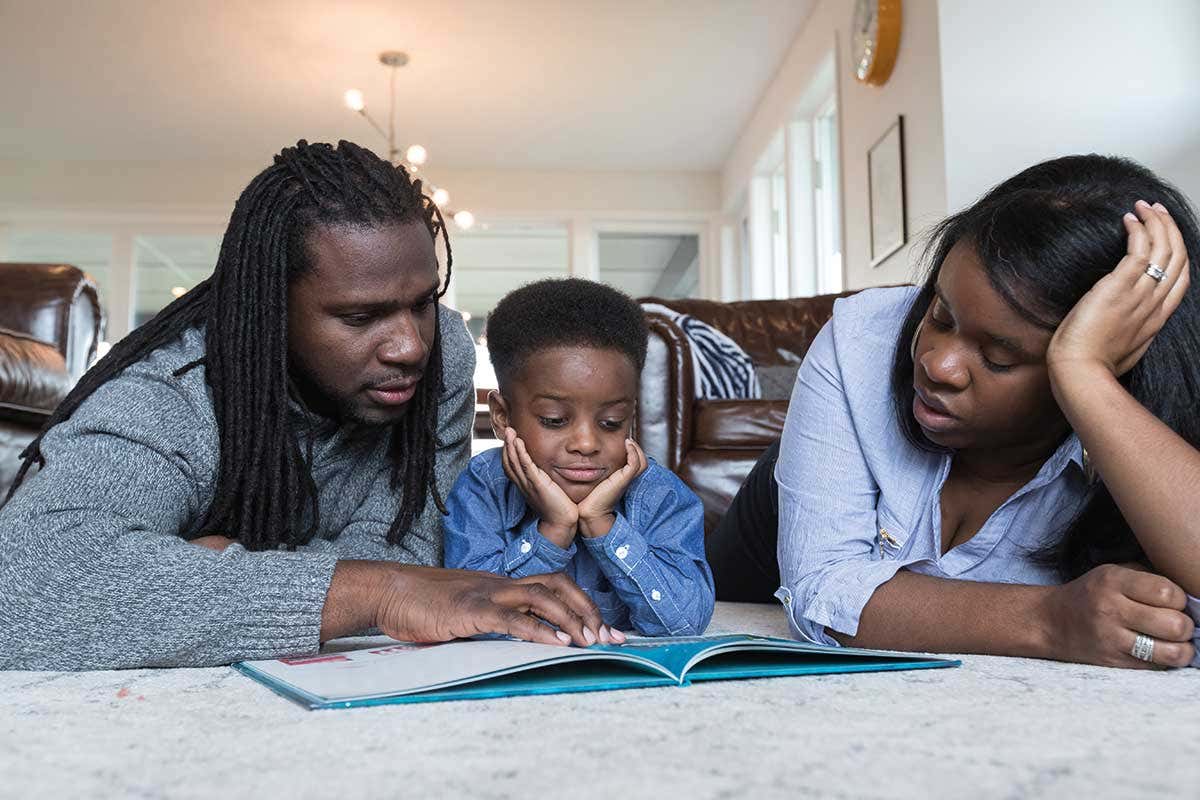
* Says an advisory note offered to parents who may consciously or unconsciously believe that their children ‘owe’ them for being raised, educated, clothed and protected
* It seeks to encourage reflection, promote healthier family relationships, and remind parents that raising a child is a responsibility, not a business transaction
By Duncan Mlanjira
An advisory message is trending on social media, which Maravi Express have found to be very illuminating in the context of today’s society. It is counseling parents “to raise their children without burdening them with lifelong debt”.
The advisory, whose author is unknown, emphasises that “parenthood is one of the most meaningful and demanding responsibilities a person can undertake”, adding that “from pregnancy to adulthood, parents invest time, energy, resources, emotions, and dreams into their children”.

“This investment is natural, necessary, and honourable,” says the unknown author. “However, problems arise when this sacrifice is later presented as a debt that children are expected to repay throughout their lives.”
The author maintains that the advisory note was written for fathers and mothers “who may consciously or unconsciously believe that their children ‘owe’ them for being raised, educated, clothed, and protected”.
“It seeks to encourage reflection, promote healthier family relationships, and remind parents that raising a child is a responsibility, not a business transaction.
“The purpose of this document is not to diminish parental effort, but to guide parents toward a more fulfilling, respectful, and emotionally healthy relationship with their children.”

Understanding parenthood as a responsibility, not a transaction
The author stresses that when parents decide to bring a child into the world, “they accept a lifelong moral and social responsibility”.
“A child does not choose to be born. Therefore, providing food, shelter, education, safety, and emotional support is not a favor — it is a duty. Just as a teacher is paid to teach and a doctor is trained to heal, a parent is entrusted with raising a child.
“This role comes with obligations that must be fulfilled without expecting repayment,” says the advisory message, adding that statements such as ‘you owe me’; ‘after all I’ve done for you’; ‘I sacrificed everything for you’; ‘you must take care of me because I raised you’ are harmful since they “can deeply affect a child’s emotional well-being”.
“These words create guilt, pressure, and resentment. Instead of gratitude, they often produce fear and emotional distance. For example: A father repeatedly reminds his daughter that he paid her school fees. As an adult, she feels guilty every time she makes personal decisions, fearing she is being ‘ungrateful’. This damages her confidence and independence.”

Advertisement
Raising children is not an investment scheme
The author observes that some parents “unconsciously treat children as retirement plans or future providers”, adding that “while it is culturally acceptable in many societies for children to support aging parents, this should come from love and choice, not obligation and manipulation — children are human beings, not insurance policies”.
The emotional impact of burdening children with parental expectations
Guilt as a tool of control: “When parents use sacrifice as leverage, they create emotional control. Example: A mother tells her son, ‘I suffered for you, so you must live near me and work where I want’. The son feels trapped between loyalty and personal dreams.
“This leads to anxiety; low self-esteem; fear of independence; emotional burnout and it affects mental health. Children raised under constant obligation may grow up feeling that their worth depends on pleasing their parents.
“This can lead to depression; chronic stress; difficulty in setting boundaries and fear of failure. They may become adults who cannot say ‘no’ without feeling selfish.”

Damaged family relationships
“When love is tied to repayment, relationships become transactional. Over time, children may distance themselves emotionally or physically to protect their mental health.
“Example: A daughter avoids visiting home because every visit becomes a reminder of ‘what we did for you’. Instead of warmth, home becomes a place of pressure.
Healthy parenting: raising independent and responsible adults
“The ultimate goal of parenting is not control — it is independence. A successful parent raises a child who can make responsible decisions; earn a living; maintain healthy relationships in order to contribute positively to society. When children become independent, it is a sign of parental success, not failure.

Teaching gratitude without pressure
“Gratitude should be modeled, not demanded. Parents can teach gratitude by showing appreciation to others; speaking kindly; respecting boundaries and avoiding comparisons.
“Example: Instead of saying, ‘I paid for your studies’, say: ‘I’m proud of how you used your education’. This encourages appreciation without guilt.
Encouraging personal dreams
“Children should be allowed to pursue their own paths. Example: A parent wants their child to become a lawyer, but the child dreams of being an engineer. Supporting the child’s dream shows trust and respect.
“When parents prioritise their child’s happiness over their own expectations, stronger bonds are formed.
Cultural perspectives and generational patterns
* Understanding cultural influences: “In many African, Asian, and traditional societies, children are expected to care for parents. This is rooted in values of respect, unity, and family support.
These values are important. However, they should not be used to justify emotional pressure or lifelong control. Respect should be mutual.
* Breaking harmful cycles: “Many parents repeat what they experienced. Example: A father who was pressured by his parents may unknowingly pressure his own children. Breaking this cycle requires self-awareness and courage.
“Ask yourself: ‘am I guiding my child or controlling them?’; and ‘am I helping them grow or holding them back?’
Preparing for financial independence in old age
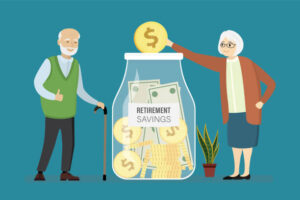
“Parents should plan for their future without relying solely on children. This includes saving; investing; pension planning; and skills development.Children may assist willingly, but parents should not depend on them as the only source of security.
Building relationships based on love, respect, and choice
Redefining parental pride: “True parental pride comes from seeing children thrive, not from controlling them. Be proud when your child thinks independently; respects others; lives honestly; and supports family willingly. These are signs of successful parenting.
“There is a difference between ‘I must help my parents’ and ‘I want to help my parents’. The second creates stronger, more lasting relationships. Children who feel respected are more likely to support parents out of love, not fear.

Practical steps for parents
“Parents can improve relationships by: avoiding statements that induce guilt; listening without judgment; respecting adult children’s choices; apologising when wrong; and encouraging open communication.
“For example, instead of saying, ‘You owe me’, say, ‘I’m grateful for our relationship’. Raising a child is an act of love, not a loan — parents give because they choose to love.
“Children grow best when they are free from emotional debt. When parents release expectations of repayment, they gain something greater: genuine respect, voluntary support, and lasting emotional connection. Let your legacy be love, wisdom, and freedom — not guilt.”
In conclusion, the author says “parents shape not only the future of their children, but the emotional health of generations. By choosing responsibility over entitlement, guidance over control, and love over pressure, parents create families built on trust and dignity.”
The author maintains that this advisory note should “serve as a reminder that the greatest gift a parent can give is not material provision alone, but emotional freedom and unconditional support”.

Advertisement