
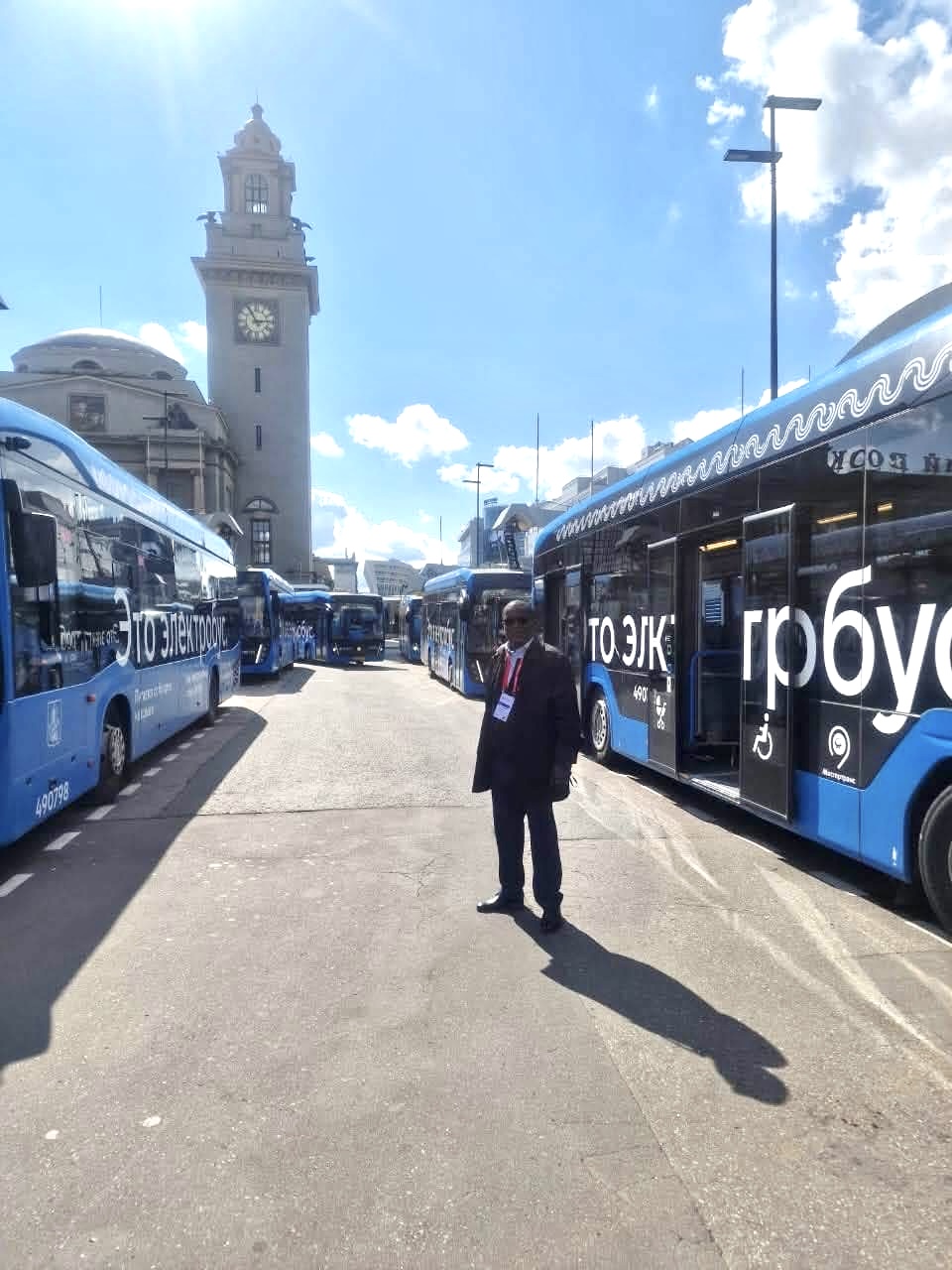
Electric public buses being operated in Moscow
* Inspiration drawn from Council’s participation at the International Transport Summit in Moscow in August 2026, where officials studied modern, clean, and efficient urban transport systems
* We came back from Moscow inspired and convinced of one thing: Lilongwe deserves a public transport system that works for its people
* This is our moment to build it right, from the ground up clean, reliable, and for everyone — Chief Executive Clement Stambuli
By Duncan Mlanjira
Lilongwe City Council has set itself a very enterprising plan — to have a formal, city-wide public bus system.

Advertisement
On its official Facebook account, the Council has announced the establishment of Lilongwe Electric Transit Ltd (LETL), a new company that will operate electric buses across the Capital.
The reports says the inspiration has been drawn following the Council’s participation at the International Transport Summit in Moscow in August 2026, where officials studied modern, clean, and efficient urban transport systems announcement.
“We came back from Moscow inspired and convinced of one thing: Lilongwe deserves a public transport system that works for its people,” Chief Executive Officer, Clement Stambuli is quoted as saying.
“This is our moment to build it right, from the ground up clean, reliable, and for everyone.”
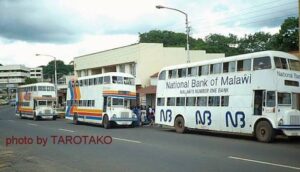
Lilongwe City, along with Blantyre, managed systematic city bus services which collapsed soon after the multiparty system of governance that led to liberalisation of the economy.
Lilongwe Council takes cognizance that “residents rely on fragmented private options that are often unreliable and expensive, with fares rising alongside fuel prices”.
“The lack of a coordinated system has affected students, workers, mothers, and business owners daily,” says the report, while unwrapping that under Phase 1, LETL will introduce electric buses supported by:
1. Dedicated charging infrastructure and depots;
2. A central Command and Control Centre for real-time tracking and safety;
3. Scheduled, reliable routes with set timetables;
4. Digital fare payment via smart cards and mobile money for transparency;
5. Professional drivers and staff
trained to international standards; and
6. Preventive maintenance to maximize bus availability.

CEO Clement Stambuli
“This is not just about new buses — this is about a new way of moving,” Stambuli says, adding that the electric buses will reduce noise and air pollution; create jobs for drivers and technicians and reduce the city’s dependence on imported fuel.
The system is also expected to improve access to schools, hospitals, markets, and economic opportunities for residents.
Stambuli stresses that the project cannot be delivered alone as the Council is engaging financial institutions to secure investment, and technical partners and global cities — including Moscow to provide expertise, training, and technology transfer.

The Council is also coordinating with energy providers, regulators, and community leaders and that the operating model will combine public purpose with professional management.
Revenue will come from passenger fares, advertising, and a service agreement with the Council to ensure routes meet public needs.
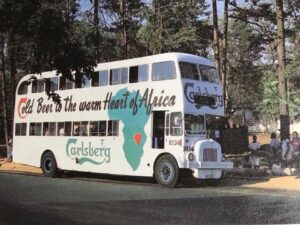
In the past, companies advertised on Stagecoach buses
“We are still a work in progress,” says the CEO. “But with God’s guidance, with our partners, and with you the residents of our city, we will build this together.
“One route, one bus, one day at a time,” says Stambuli, adding that the Council will announce timelines for rollout following further consultations and technical planning.
If this initiative will come to fruition, it is going to be a landmark development as public transport system in the country’s cities has deteriorated so drastically.
It started with minibus services that pushed out city-wide public bus system operated by UK-based Stagecoach under the United Transport of Malawi (UTM) franchise.

Stagecoach finally pulled out its business in Malawi, that prompted the government to rename UTM to Shire Buslines — but it too collapsed as the market was exponentially infiltrated by minibus operators.
Due to the past decade’s economic slowdown, that led to shortage of forex and other economic factors, minibus operators couldn’t afford replacing their fleet with new ones — leading to all on the road being dilapidated and unroadworthy.
Motorcycle taxi operators (kabaza) have exacerbated the chaos on public transport, who are slowly pushing out the minibus operators.
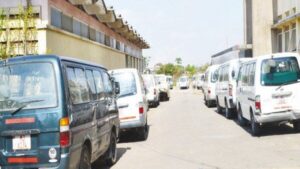
Minibuses don’t operate according to timetable

One cannot plan according to timetable on how they can schedule their businesses into and out of the central business districts (CBD) because minibuses never operate on timetable but wait until they are full to start off.

Overloading is order of the day
Despite the law explicitly indicating the seating capacity of three on a row, operators force passengers to be four on a row, unless one decides to pay extra for the space meant for the fourth passenger.
One has to be extra careful once inside of most of the minibuses, as nail and other sharp objects protrude from the seats and if not cautious, they tear off clothes.

Advertisement