* Mangroves are struggling as 3.6 million hectares have been lost since 1980 (20% of world total)
* Madagascar lost 50% of its mangroves in just 10 years. The remaining face threats from charcoal production, agriculture and rising seas
By Duncan Mlanjira
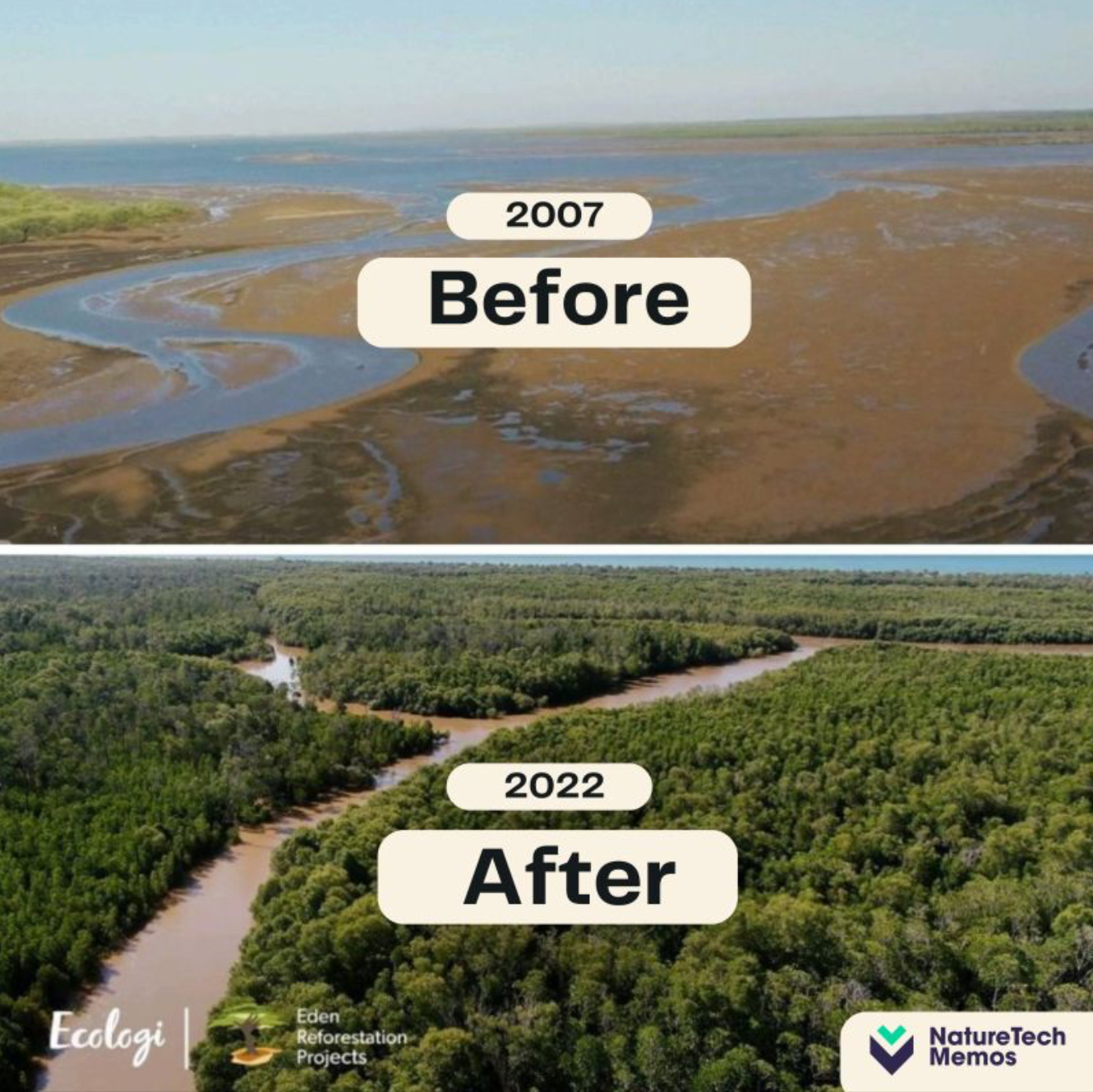
Fascinated by the admirable strategy that Madagascar executed 15 years ago, prompted environmentalist Ollie Potter to share on LinkedIn that country’s re-afforestation effort in which they planted 664 million Mangrove trees under that period.

Advertisement
“The wonder of reafforestation in Madagascar in an ecosystem that captures 10x more carbon than forests,” wrote Potter on LinkedIn.
He indicated that Mangroves are critical ecosystems as “they store 10x more carbon than terrestrial forests; protect coastlines from storms and tsunamis and harbor incredible biodiversity in their tangled roots”.
“But they are struggling — 3.6 million hectares have been lost since 1980 (20% of world total) [while] Madagascar lost 50% of its mangroves in just 10 years. The remaining face threats from charcoal production, agriculture and rising seas.

Ollie Potter
“That’s when Ecologi, Eden Reforestation and On a Mission joined forces. Instead of watching Madagascar lose another 50% of its mangroves, they launched a giant restoration project.”
He explains how it worked — multiple planting sites across the island, targeting degraded areas; science-based approach ensuring proper species selection; local community involvement creating sustainable employment and rigorous monitoring to ensure long-term survival and carbon capture.
“The impact after 15 years is staggering; 664 million trees planted and growing; coastlines protected from increasingly severe storms and wildlife returning to restored mangrove ecosystems.

Advertisement
“The climate significance [is that] Madagascar hosts 20% of Africa’s mangroves; each hectare captures carbon equivalent to dozens of hectares terrestrial forests and creates natural infrastructure more durable than human-made sea walls.
“From devastated coastal marshes — losing half their area in a decade — to a model for restoring nature’s most effective carbon capture technology. Sometimes the most powerful climate solutions are the ones nature already perfected.
“Thanks to Louis Durance for bringing it to my attention and Ecologi for the image. If you won a ticket to go visit the project, would you visit?” concluded Potter.

The responses to Potter’s LinkedIn post were of ‘WOW’, with Aradhana Khowala, CEO & Regenerative Tourism Expert, saying: “Incredible impact — and a powerful reminder that nature often holds the most effective solutions.
“Mangroves are climate heroes we don’t talk about enough — carbon sinks, storm barriers and biodiversity hubs all in one. The scale and success of this restoration effort is inspiring, especially with local communities at the heart of it.


Advertisement
“The 664 million trees [planted] isn’t just a number — it’s a blueprint for what’s possible when science, sustainability, and social impact come together.
One of Connecting Climate Tech founders, Will Everill, said “the restoration of mangroves is such a crucial natural solution to help with climate-induced change — including increasing frequency of storms, cyclones, swells, general rising sea levels and declining biodiversity”.
While Oliver Dauert said: “[This] shows how quickly and powerful nature can recover if we give her a helping hand. Almost unimaginable that those pictures are only 15 years apart. Crazy.”