
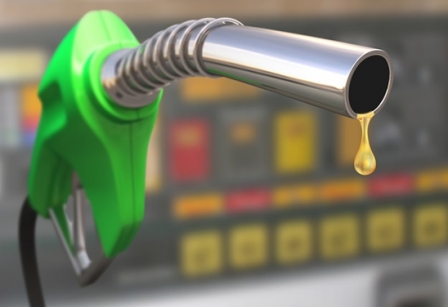
* Petrol goes up from K3,499 to K4,965 (41.90%) and diesel from K3,500 to K4,965 (41.29%)
* In the last three years, the Automatic pricing Mechanism was abandoned in favour of a fixed pricing regime that proved to be commercially unsustainable
* Artificially low fuel prices created arbitrage opportunities for fuel smuggling, causing the loss of scarce foreign exchange and depletion of the country’s strategic fuel reserves
By Patience Longwe, MANA
Malawi Energy Regulatory (MERA) says the fuel hike has been necessitated by delays in adjusting fuel prices since May 2022, as well as an increase in landed cost.

Advertisement
MERA announced petrol and diesel hike effective today, January 20, 2026, with price of petrol adjusted to K4,965 per litre up from K3,499 while diesel goes up to K4,945 per litre, up from K3,500, representing a 41.90% and 41.29% increase respectively.
At a press briefing in Lilongwe today, MERA acting Chief Executive Officer, Dad Chinthambi, said the decision was driven by the Automatic pricing Mechanism (APM) which triggers a price review when the landed cost of fuel moves beyond a ±5 percent trigger band.
“However, in the last three years, this mechanism was abandoned in favour of a fixed pricing regime that proved to be commercially unsustainable,” he said. “This led to significant trading losses, resulting in inability to import adequate petroleum products and inability to remit economically.”
The Automatic Pricing Mechanism (APM) has since been re-activated as indicated by MERA Board chairperson, Lucas Kondowe in a statement also released today, saying the adjustment was made after the landed costs of petroleum products exceeded the 5% trigger band allowed under the APM, thereby qualifying for a price review for January 2026.
“The landed cost of both petrol and diesel has moved beyond the 5% trigger band, thereby qualifying for price revision for the month of January 2026,” reads the statement.

Lucas Kondowe
The energy regulator explained that fuel prices had remained fixed for the past three years, a move it described as commercially unsustainable, stating that the fixed pricing regime resulted in significant trading losses for fuel importers, leading to fuel supply disruptions and the failure to remit key statutory levies.
“These challenges affected the collection of the economically important levies such as the Road levy to the Road Fund Administration (RFA) and the Rural Electrification levy to Malawi Rural Electrification Programme (MAREP) Fund, resulting in deteriorating road infrastructure and delayed implementation of the critical MAREP projects across the country,” says the statement.
MERA further noted that artificially low fuel prices created arbitrage opportunities for fuel smuggling, causing the loss of scarce foreign exchange and depletion of the country’s strategic fuel reserves.
“Artificial pricing of petroleum products created arbitrage opportunities for smugglers, leading to depletion of important national fuel reserves,” says the authority, adding that the latest price adjustment is aimed at ensuring the continued importation of petroleum products and restoring stability in the fuel supply chain.

Advertisement
MERA has since warned fuel retailers that selling fuel above the approved prices is against the law: “By law, all operators are required to sell petroleum products at prices not exceeding the approved regulated maximum pump prices,” MERA said.
Meanwhile, MERA has also granted a 50.8% tariff hike to the Electricity Supply Corporation of Malawi (ESCOM) spread over four year period from September 2023 to August 2027, which has since been effected by 12% also effective today.
According to Chinthambi, the increase aims to enable ESCOM collect revenue and improve service delivery.


Advertisement