

Chifipa Mhango
* However, he believes the minimum capital base of MK300 requirement may discriminate against the involvement of indigenous Malawians in the distribution network
* Most Malawians are going through a tough path economically and capacity to raise a minimum of MK300 million, maybe out of reach for many indigenous Malawians
By Duncan Mlanjira
Chifipa Mhango, the Chief Economist for South Africa’s Don Consultancy Group (DCG), has applauded Illovo Sugar Malawi “for its transparent nature in advertising for applications for sugar resellers around Malawi”.

Advertisement
However, he believes that “the minimum capital base of MK300 requirement may discriminate against the involvement of indigenous Malawians in the distribution network”.
According to the advert calling for tenders from interested resellers — which Illovo Sugar Malawi says it is “in pursuit of its customer service agenda”, the interested applicants are required to have 5 to 30 tons delivery vans and a base working capital of K300 million minimum and K4 trillion maximum.
Illovo seeks to recruit the sugar resellers in all designated territories of the country, who will be responsible for ensuring sound obligations, that include:
* delivery of exceptional service levels to stockists/wholesalers by actively delivering sugar to their outlets;
* development and adherence of customer call cycles;
* recruitment of required number of stockists/wholesalers in under-served markets;
* building strong relationships with stockists/wholesalers; and
* with the assistance of Illovo sales team, to ensure that stockists/wholesalers have the range of sugar at all times.
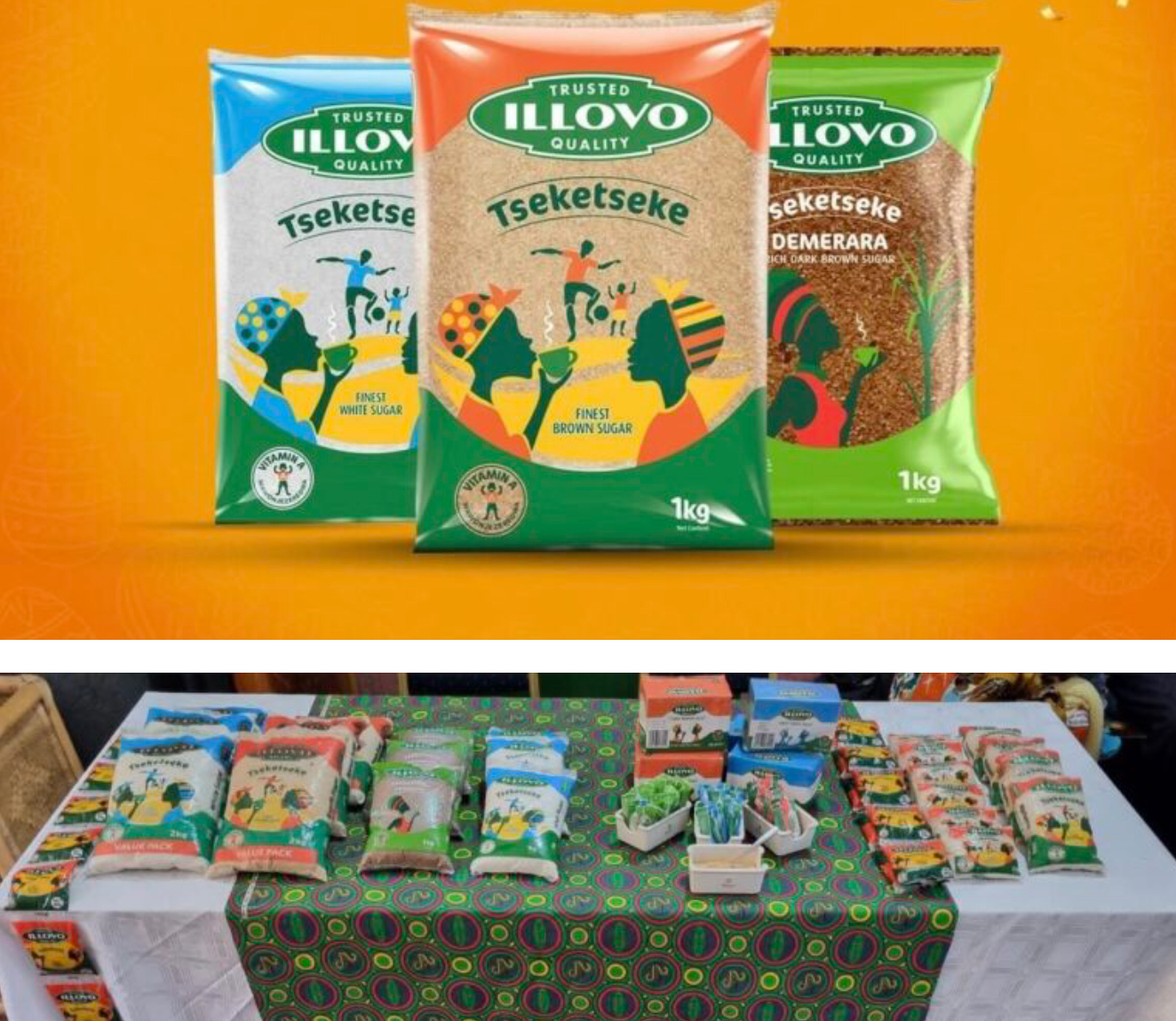
Illovo has an extensive business partnership system
Illovo will undertake to support the reseller in:
* paying compensation for the costs of delivering the product to the stockists/wholesalers;
* pay commission (rebate) for meeting agreed sales targets and other key performance areas;
* day to day technical support;
* provision of refurbished 20ft and 40ft containers where necessary; and
* support the reseller with various marketing initiatives to drive sales.
All interested businesses or individuals are advised to collect Request for Proposal documents from Illovo Head Office in Limbe or request for electronic copies through email; Reseller@illovo.co.za.
They must ensure that all applications via email should be under the subject; ‘Reseller Application’ while had copy document applications should be addressed to the ‘Reseller Selection Team’, Private Bag 580, Limbe.
These should be placed in a sealed envelope clearly marked ‘Personal and Confidential, to be opened by the addressee only’ and be submitted not later than August 15, 2025.
“Application documents could also be delivered by Illovo Sugar Malawi’s representatives by making prior arrangements. All applications will be submitted for an adjudication process and only shortlisted and successful candidates will be acknowledged,” says the advert.

Interim Illovo Managing Director, Kondwani Msimuko receiving an award from Malawi Revenue Authority (MRA) as a leading large taxpayer in the manufacturing sector that contributed MK58.2 billion in the 2024 financial year, an increase from MK46.7 billion made in 2023
However, Mhango contends that the capital base requirement may discriminate Malawians, most of whom “are going through a tough path economically and capacity to raise the minimum of MK300 million, maybe out of reach for many”.
“It is important for Illovo to consider a process that supports the participation of indigenous Malawians in the sugar reseller process, by setting allocation with an affordable minimum capital base for indigenous participation in the sugar distribution or reselling points in Malawi.”
And while commending Illovo for the open transparent advert as the way to go, he also believes that the deadline of August 15 “is too soon for those who want to participate but need financial support from lending institutions”.
“I am of the hope that Malawi Government agencies involved in lending towards indigenous businesses will come to the party with a quick turnaround time for financial support required.
“A responsible government that wants to transform the sugar industry in Malawi through a dominance of indigenous Malawians’ participation in the sugar industry needs to heed this call.
“It’s unfortunate that a product produced locally by Malawians should be out of access to the majority of the population due to wrong policy choices.”
He suggests that Malawians of indigenous origins should dominate the distribution space and that “the government, through National Economic Empowerment Fund (NEEF) must urgently come in to support with the required base capital”.
He gave an example of his father, Dr. Du Mhango and his uncle Bazuka Mhango, who were in a sugar distribution business in Karonga, operating under Sumuka Limited in the 1980s.
“The Kamuzu Banda’s administration allowed for local indigenous dominance in rural economies with Asians only limited to doing business in the cities. From 1994, we just opened the country to everyone and that displaced indigenous businesses.”
“It’s the duty of the government to set business operating rules for equity participation. In countries like South Africa and even the USA, they have Black Economic Empowerment rules of operation in business for the purpose of transformation. It’s legislated by law.
“In South Africa, every industry is committed to the industrial transformation charter to increase participation for black businesses. It has nothing to do with profits.
“I was part of this process of Black Economic Empowerment policy drafting in South Africa across industries from 1998 to 2002. An economy needs interventions by Government on direction.”
In March 2025, at the peak of sugar scarcity due to unscrupulous distributors and retailers hoarding the commodity, Mhango issued a press statement, which Maravi Express published; government-needs-to-deal-with-the-root-cause-of-sugar-hoarding-its-an-industry-structure-issue, in which he maintained that Malawi Government needs to deal with the root cause of sugar hoarding — otherwise Trade & Industry Minister, Vitumbiko Mumba will continue his industrial raids “till the end of the world”.
He stressed that “it is a shame that the entire sugar distribution, which is supposed to be in the hands of local Malawian business as was the case before 1994, is now in foreign hands”.
“There has to be a proper criteria of whom we define as foreign investors and which sectors need protection for Malawian business participation,” he said, adding that “it is disheartening” that a whole Minister was being disrespected in broad light in front of media cameras on one of his industrial inspection raids.

Mumba during one of his warehouse raids that caught traders hoarding sugar
He commend the Minister in his efforts to combat sugar hoarding: “However, this task needs more consequence management and its root cause lies with how the industry is structured.
“I really question how as a country we are issuing sugar distribution business licences. The sugar is produced in Malawi, and by Malawian workers in the field, in its entire value chain — but what is being exposed as those running its distribution, needs serious reflection at political leadership level.”
He reminded Malawians that under the management of Sugar Corporation of Malawi (SUCOMA), the entire value chain to the retail market benefitted Malawi.
He thus made recommendations to the Minstry of Trade & Industry to:
* engage Illovo Sugar Malawi on the distribution model that seem to be foreign dominated;
* to review with Illovo how such distribution licences were issued, and how trading licences were provided to by Malawi Government to foreign traders;
* work on a new distribution model that limits foreign participation with preference to indigenous Malawi business as was the case under SUCOMA before 1994.
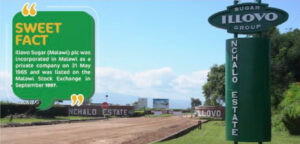
“Malawi produces almost 300,000 metric tonnes of sugar annually, and 97% of it is exported to the disadvantage of local consumption — why is the Government allowing this trend?
“Having all those caught hoarding sugar being ‘foreign investors’ is what must force a review as Malawians. It is obvious that the very same sugar that Malawians are involved in producing in its entire value chain, has its intended purpose only serving the interest of ‘foreign distributors’ in international markets against local consumption.”
At an open engagement with the media last week at Nchalo Estate in Chikwawa, Illovo Sugar Malawi’s interim Managing Director, Kondwani Msimuko once more emphasised that every production season, the company always has sufficient stock enough for domestic consumption but it is the distribution line — which Illovo has no control of — that leads to scarcity during off season.
He added that the unregulated distribution line helps in sugar to be smuggled into neighbouring countries of Zambia, Mozambique and Tanzanian because the product is cheaper in Malawi.


Advertisement