
* Contains critical data that can guide decision-making and help stakeholders address challenges affecting agricultural productivity in the country
* Irrigation farming accounts for only 2.2% of the total land used during the agricultural season — with the Southern Region accounting for 1.2%
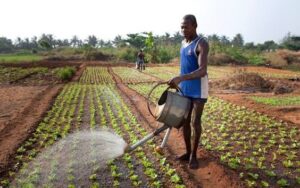
* Followed by the Central Region with 0.8% and the Northern Region with 0.3% while the watering can remain the most common irrigation method, accounting for about 68%
By Prisca Promise Mashushu, MANA
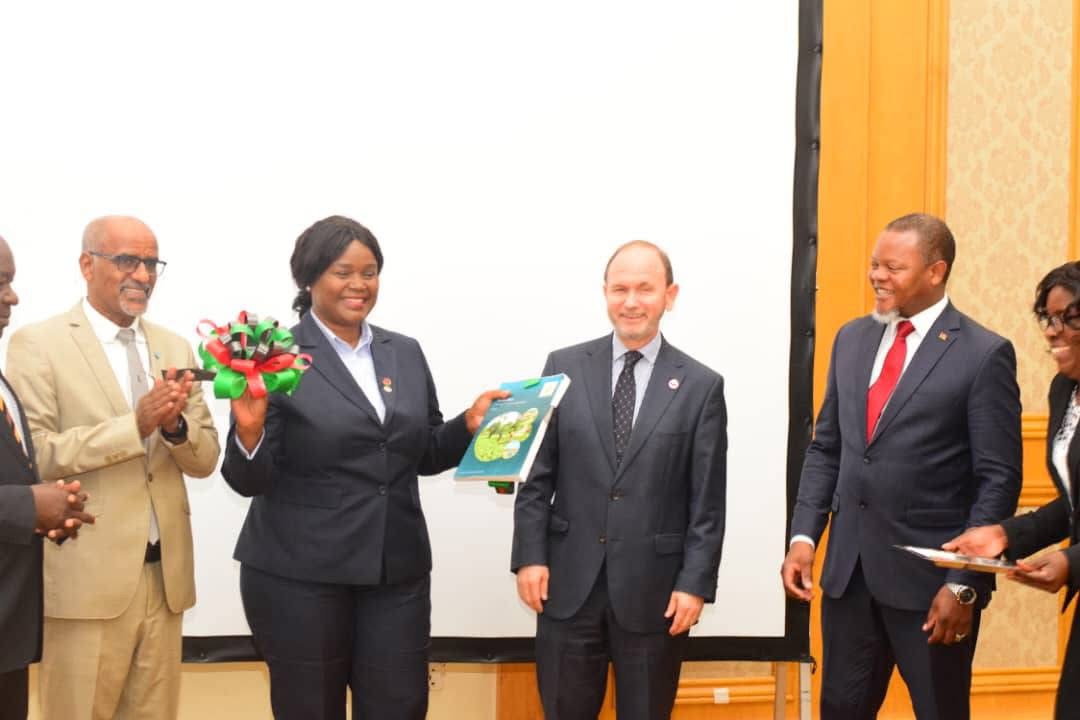
Minister of Agriculture, Irrigation & Water Development, Roza Fatch Mbilizi, yesterday officially launched the 2024/2025 National Census of Agriculture (NACA) Report generated by the National Statistics Office (NSO), which is set to report help the country improve crop production and guide policy decisions in the agriculture sector.

Advertisement
At the launch at Bingu International Convention Centre (BICC) in Lilongwe, Minister Mbilizi observed that the report comes at an important time as the country has gone about 20 years without updated comprehensive agricultural census data.
“The report will help guide agricultural policy implementation and direction as we work towards strengthening food security in the country,” said Mbilizi, adding that the findings reveal a large gap between irrigation farming and crop production.
According to findings, which Mbilizi highlighted, irrigation accounts for about 2.2% while crop production accounts for 97.9% of agricultural activities — a situation that calls for greater investment in irrigation and diversification in agricultural production.
She urged farmers and stakeholders to promote value chains by growing other crops such as soya beans and groundnuts — alongside the traditional staple, maize.
The event brought together NSO and government officials, representatives from the World Bank, Food & Agriculture Organisation (FAO), members of the private sector and other stakeholders in the agriculture sector, whom Mbilizi commended for successfully conducting the census.
She impressed on the stakeholders to utilise the findings of the report when formulating policies and strategies aimed at improving performance and ensuring sustainability within the agricultural sector.
In his remarks, NSO Commissioner of Statistics, Shelton Kanyanda, said the overall goal of the 2024/2025 NACA is to generate reliable data that will support the development of effective policies for building a resilient, productive and sustainable agricultural sector.
Kanyanda highlighted that the census established that about 4.1 million smallholder farmers are cultivating approximately 3.5 hectares of land across the country — and that about 97% of these farmers are involved in crop production while half also engage in other agricultural activities including irrigation.
He added that irrigation farming accounts for only 2.2% of the total land used during the agricultural season, with the Southern Region accounting for 1.2% of irrigation activities followed by the Central Region with 0.8% and the Northern Region with 0.3% — while the traditional watering can remains the most common irrigation method, accounting for about 68%.
Kanyanda emphasised that the census will also provide data for monitoring and evaluating indicators used to track agricultural development programmes in line with the MW2063 national development agenda.
Present at the launch was World Bank Country Manager, Firas Raad, who commended the Ministry of Agriculture and the National Statistics Office for conducting the census — attesting to that the report will help close critical data gaps in the agriculture sector as the last census was conducted in 2006.
He added that the data will support research and planning aimed at improving food production and strengthening food security in the country.—Edited by Duncan Mlanjira, Maravi Express
World Bank Country Manager, Firas Raad (right)