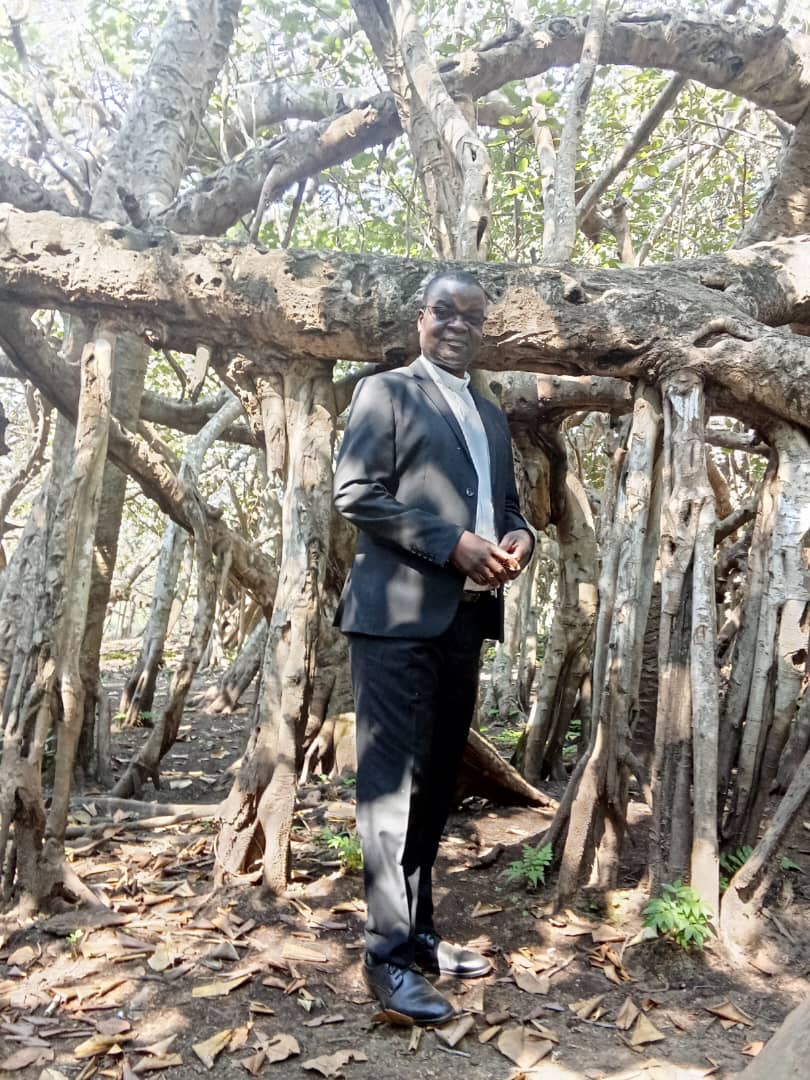
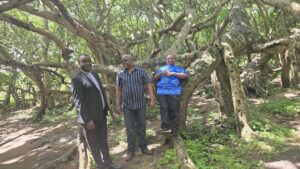
Rev. Jumbe with Anglican programme director, Fr Elliot Litereko (right) and Chilema’s partner in its tourism programme, Sam Ncozana at the historic tree
* As Chilema Ecumenical Training & Conference Centre in Malosa, Zomba focuses on commemorating 60 years of existence next year
* Located within the estate of Anglican Church in Malosa, the Chilema Tree is one of Malawi’s most unusual which looks like many trees growing together
* But it is actually one single grove with its roots and branches spread wide, creating a shape that leaves every visitor in great awe of it
By Duncan Mlanjira
The Chilema Tree, Malawi’s ‘Living Wonder of the World’ — located within the estate ofthe Anglican Church-Diocese of Southern Malawi/Lake Malawi in Malosa, Zomba District — is being elevated as an eminent cultural, environmental and tourism asset.
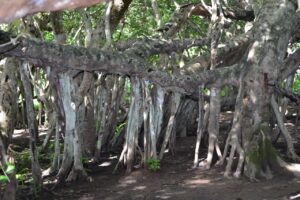
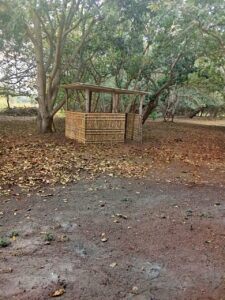
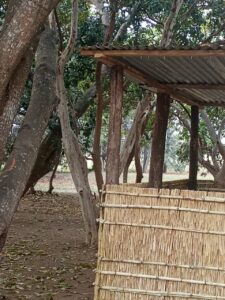
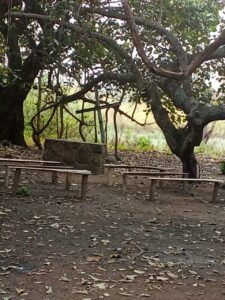
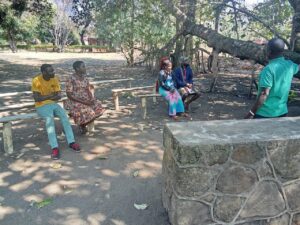
The grove provides plenty of shade for tourists picnics and community gatherings
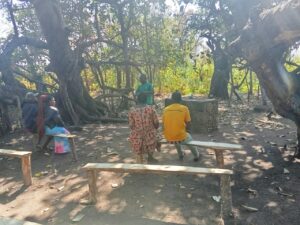
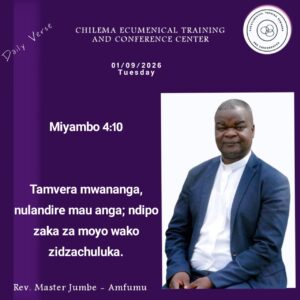
This was disclosed by Rev. Master Jumbe, the Executive Director of Chilema Ecumenical Training & Conference Centre, in an interview in Malosa, as he clocked eight months yesterday, August 31, 2026, as head of the institution.
The Centre — which remains a key institution in Malawi’s faith-based development sector — combining spiritual formation, skills training, and community empowerment — is set to commemorate 60 years of existence next year.
Thus Rev. Jumbe highlights that the Chilema Tree’s historic status is being elevated to be centre of attraction in marketing the Ecumenical Training & Conference Centre.
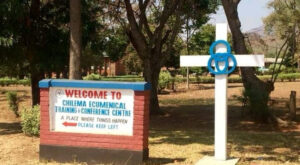
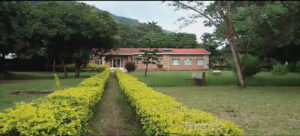
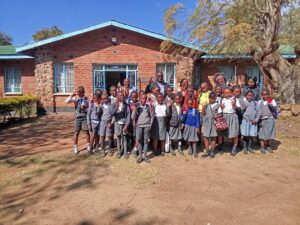
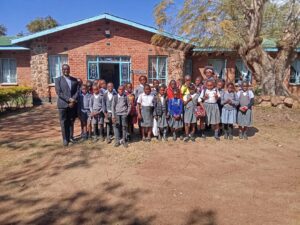
A school from Blantyre that visited Chilema Tree as part of its educational service
It is one of Malawi’s most unusual tree, which looks like many trees growing together but it is actually one single grove with its roots and branches spread wide — creating a shape that leaves every visitor in great awe of it.
The area’s residents and tourists alike treat the tree’s beauty and strength of nature with respect and has remained a natural attraction and a symbol of Malawi’s rich environment for many years.
While Malawi’s many other tourism destinations attract special mention — the Lakeshore, the game parks, Mulanje Mountain, Nyika Plateau, among others — the Chilema Tree remains a silent historic giant; thus under its ‘Environmental & Tourism Development’ strategy, the Chilema Ecumenical Training & Conference Centre, this monumental landmark is significantly part of the transformation.
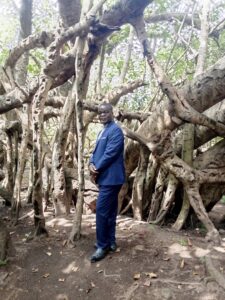
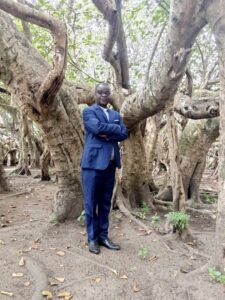
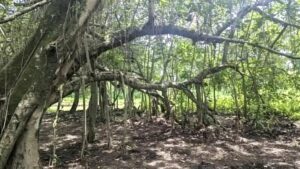
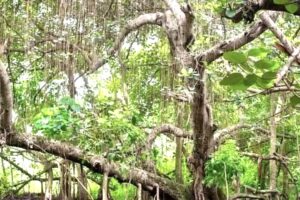
Rev. Jumbe states that the Chilema Tree — also situated on the land that is host to the historic Malosa Secondary School — is included in the Centre’s turnaround strategy in “promoting the vision of linking Chilema’s natural environment with conferences, retreats, recreation and tourism”.
“We are also planning to include conservation of the Chilema Tree to advance the universal environmental initiatives, including the concept of a one-million-tree planting programme.
“Thus we have positioned Chilema’s natural environment as part of its competitive advantage in our strategic leadership and institutional direction.”

Advertisement
In an interview in April, 2026, Rev. Jumbe — who assumed office as executive director in January 2026 — indicated that the Centre was in dire need of revival and survival having been greatly affected by the CoVID-19 pandemic and had failed to recover.
With the blessing of the institution’s Board, Rev. Jumbe and management team developed its rescue plan with the belief that the institution can transition from crisis to sustainability and renewed growth.
Highlights of Rev. Jumbe’s eight months tenure includes providing strategic leadership during a challenging period of institutional and financial pressure and developing the Chilema ‘Rescue & Recovery Plan’ to restore the Centre’s financial and operational sustainability.
He further developed a 2026-2030 strategic vision aimed at transforming Chilema into a financially sustainable, attractive and impactful ecumenical training and conference centre.
The plan is set to strengthen the connection between Chilema’s programmes and MW2063 national vision.
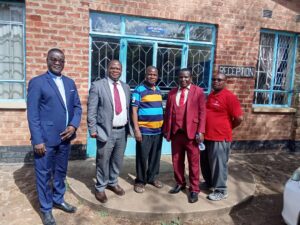
Part of the Chilema transformation team; Rev. Jumbe with CCAP Blantyre Synod’s Deputy General Secretary, Rev Jimmy Banda, Rev Nelson Muwa, CCAP programme coordinator, Rev Sambani and Fr. Elliot Litereko
The historic Chilema Ecumenical Training & Conference Centre is a non-profit Christian institution established in the early 1960s as a vision of Church of Central Africa Presbyterian (CCAP)-Blantyre Synod and Anglican Diocese of Upper Shire — which provides training, conferences, and community development programmes in a peaceful rural setting conducive to learning, reflection, and capacity building.
Key founders include Rev. Jonathan Sangaya of the CCAP and Anglican Church’s Bishop Donald Arden, whose training activities began around 1964, and the centre was officially opened in 1967 — originally known as the United Church Lay Training Centre.
It was created to promote ecumenism, leadership, and lay training among churches in Malawi and the centre operates under an ecumenical board of trustees, representing partner churches and stakeholders.
Financial Sustainability & Income Generation
Under this survival strategy, Rev. Jumbe’s approach includes introducing strategies to improve revenue generation and strengthen financial discipline.
“We developed an income-generation strategy focusing on accommodation, catering, conferences, training programmes, tourism and the Chilema Tree.
“We also initiated the ‘Adopt a Room’ fundraising concept to mobilise resources for rehabilitation of the Centre; strengthened payment and deposit procedures to improve cash-flow management; and introduced measures aimed at controlling unnecessary expenditure and promoting accountability.”
Infrastructure and Rehabilitation
* Developed a phased rehabilitation approach for Chilema’s infrastructure;
* Developed proposals for fencing and improving the Chilema Tree area;
* Explored renewable-energy solutions, including a solar energy project, to reduce long-term operational costs;
* Promoted preventive maintenance as an important part of protecting Centre assets.
Programme Development
* Expanded the vision of Chilema from being primarily a training centre to becoming an ecumenical training, conference, hospitality and tourism centre;
* Strengthened programmes for men, women, youth, students and church leaders;
* Developed concepts for Christian counselling and mental-health training for lay church leaders;
* Promoted homecraft, beekeeping and other skills-development programmes as potential income-generating and community-development initiatives;
* Advanced the concept of signature programmes that can give Chilema a distinctive institutional identity.

Advertisement
Resource Mobilisation and Partnerships
* Developed resource-mobilisation strategies and donor-ready project proposals;
* Engaged stakeholders and potential partners to support Chilema’s recovery and development;
* Strengthened the Centre’s potential to attract churches, NGOs, training institutions, government agencies and other organisations as partners and clients.
Governance and Accountability
* Strengthened engagement with the Board of Governors/Board of Trustees through structured reports and strategic presentations;
* Developed management meeting agendas focused on measurable targets and accountability;
* Promoted greater financial and administrative accountability within the institution;
* Worked towards clearer policies covering payments, maintenance, financial management and operations.
Apart from serving different congregations in Livilidzi, Ntcheu, Limbe, Chiradzulu and Domasi presbyteries — and serving as Blantyre Synod School’s chaplain — the Synod entrusted Rev. Jumbe to serve as executive director for Church & Society for six years.
The Church & Society is the governance arm of the Church of Central African Presbyterian (CCAP), mandated to champion, promote and consolidate democratic governance, human rights and peaceful coexistence’ in Malawi, which was established on November 25, 1993.