


Funds generated from toll gates at Chingeni and Kalinyeke were not being explained how they were being used in the past MCP government administration
* Representing 96% increase following a 100% increase in toll tariffs effective January 2026, alongside a rise in fuel levy allocations from about K126 per litre for petrol and K123 per litre for diesel to K506 and K503 respectively, which has significantly strengthened the financing framework
* As RFA plans to expand the tolling network, with four new tollgates expected in the 2026/27 financial year at Mkamanga in Mponela, Dowa; Gwayi in Nkhamenya, Kasungu; Chileka on the Lilongwe-Mchinji Road; and Naluva on the Lilongwe-Salima Road
By Adson Nthenga, MANA
The Roads Fund Administration (RFA) says improved toll tariffs and fuel levy allocations have strengthened road maintenance financing, resulting in increased revenue performance and expanded rehabilitation works on key road corridors, including the M1.

Advertisement
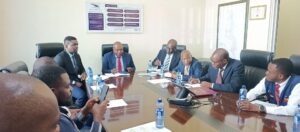
This was outlined today, April 13 at a press briefing held at RFA head office in Lilongwe, where officials provided updates on toll revenue performance, funding reforms and ongoing road infrastructure interventions.
RFA Director of Finance, Alex Makhwatha said the institution has recorded improved funding flows following recent policy adjustments, which have helped restore momentum in road maintenance programmes that had previously been constrained.
He said the M1 road has experienced progressive deterioration over time due to early funding challenges that followed the introduction of tolling in 2021.

Alex Makhwatha
Makhwatha explained that toll rates were reduced by about 40% shortly after implementation, a decision that affected revenue projections which had been based on feasibility studies meant to support both toll operations and sustainable road maintenance.
“The adjustments in toll rates at the time, combined with economic pressures, made it difficult to sustain the planned level of road maintenance,” Makhwatha said.
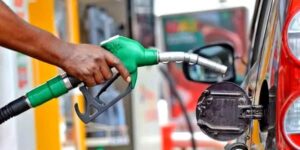
He said government has since responded with a 100% increase in toll tariffs effective, January 2026, alongside a rise in fuel levy allocations from about K126 per litre for petrol and K123 per litre for diesel to K506 and K503 respectively, which has significantly strengthened the financing framework.
“The recent policy adjustments have restored the financial capacity needed to support road maintenance and rehabilitation programmes,” Makhwatha said, adding that these developments have enabled the RFA to allocate K50 billion towards rehabilitation works on the M1 corridor, describing it as a key intervention aimed at restoring deteriorated sections of the road.
RFA Tolling Operations Manager Dalitso Kadzamira said the reforms have also translated into improved revenue performance, with toll collections rising sharply in the first quarter of 2026.
He said the RFA collected K1.8 billion between January and March this year, up from K920 million recorded during the same period last year, representing a 96% increase.
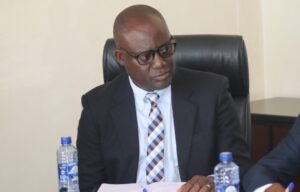
Dalitso Kadzamira
“The increase in collections reflects the impact of the revised toll structure introduced in January 2026, which was designed to strengthen sustainable financing for road maintenance,” Kadzamira said.
He added that the tolling system is now contributing more effectively to road maintenance financing following the tariff adjustments, while acknowledging that despite the improved revenue performance, some sections of tolled roads remain in poor condition and require urgent rehabilitation.

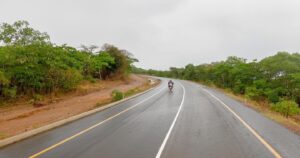
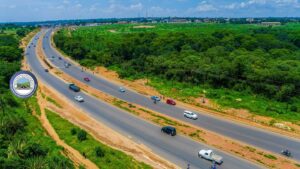
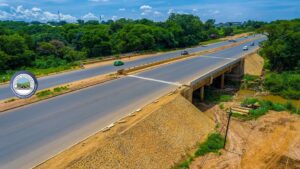
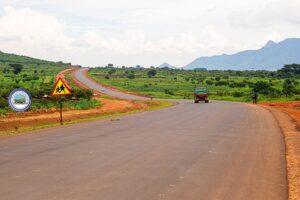
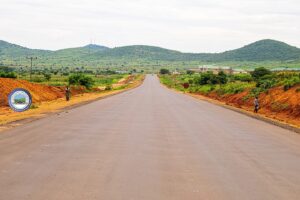
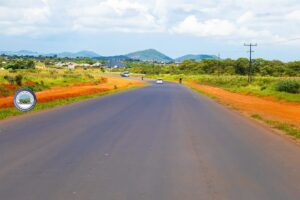
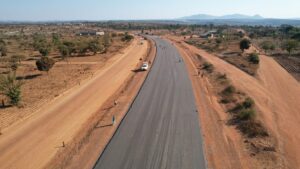
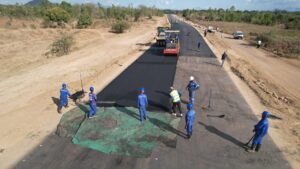
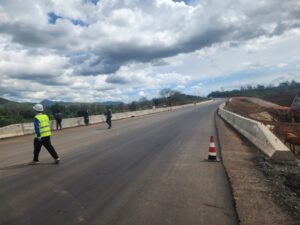
Some of the sections of M1 Road that have been maintained
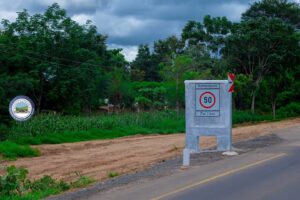
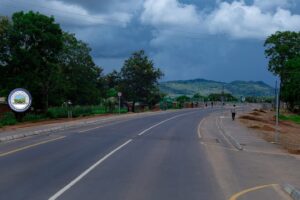
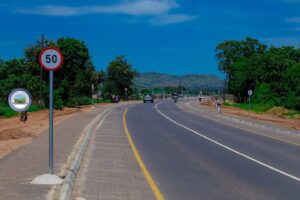

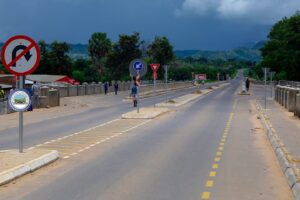
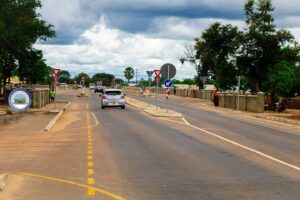
“We recognise that parts of the road network are in a deteriorated state and require urgent attention,” he said. “Our focus now is on targeted rehabilitation to address those sections.”
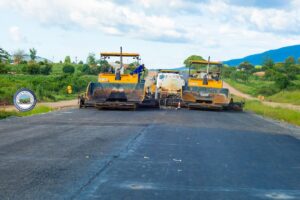
Thus, the RFA, in collaboration with the Roads Authority, has already allocated K50 billion for sectional rehabilitation works, while additional projects worth K17 billion are at contract negotiation stage, with contractors expected on site within a month.
“There is already ongoing planning and mobilisation for rehabilitation works, and implementation is progressing in phases,” Kadzamira said, adding that pothole patching works are currently underway as interim measures while long-term rehabilitation continues.


Kadzamira further said toll revenues are being ringfenced in line with government directives to ensure they are strictly used for maintenance of tolled roads: “The ringfencing of toll income is important in ensuring accountability and sustainability in road maintenance financing.”
Looking ahead, he said the RFA plans to expand the tolling network, with four new tollgates expected in the 2026/27 financial year at Mkamanga in Mponela, Dowa; Gwayi in Nkhamenya, Kasungu; Chileka on the Lilongwe-Mchinji Road; and Naluva on the Lilongwe-Salima Road.
He said the expansion is aimed at strengthening long-term financing for road maintenance and improving the condition of the national road network.


In his State of the Nation Address (SONA) made in Parliament in February, President Arthur Peter Mutharika indicated that his administration plans for major investments in transport infrastructure, focusing on roads, aviation, rail, and inland water transport to support economic recovery.
He emphasised that efficient transport systems are essential to lower business costs and position Malawi as a competitive regional trade hub, saying nationwide road maintenance has resumed after years of neglect, and that toll revenues along the M1 Road will be ring-fenced for its own maintenance to ensure sustainable funding.
He pledged that the government will upgrade strategic roads linking production areas, markets, border posts, and industrial zones to support agriculture, mining, tourism, and manufacturing.—Edited by Maravi Express

Advertisement