
* Projected to reach 23% by the end of this year, signalling improved macroeconomic stability after recording significant sectoral gains across the economy
* The agriculture sector registered notable progress aimed at strengthening food security and commercialisation
* Strict measures have been introduced to safeguard foreign exchange and channel it through formal systems
Maravi Express
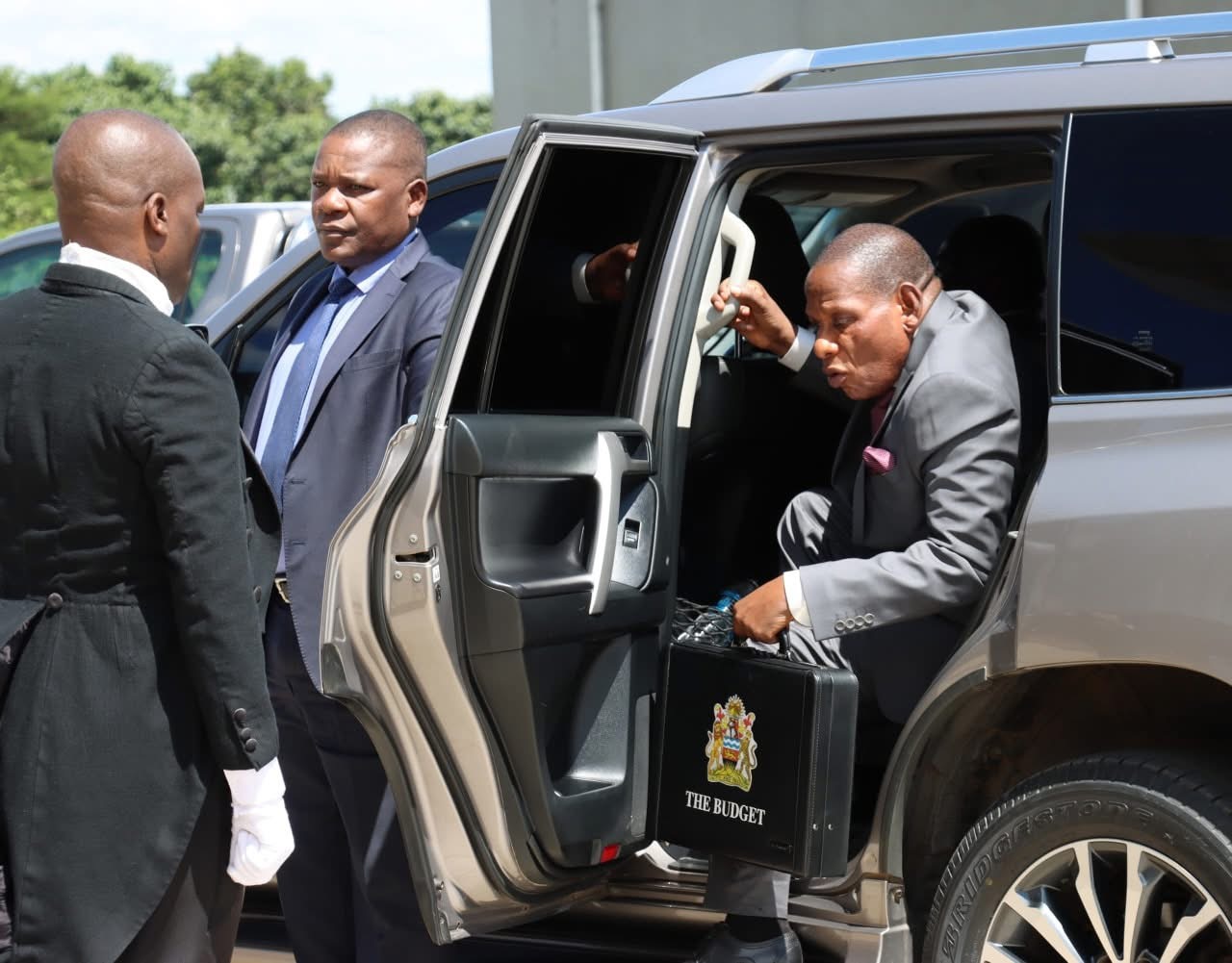
In his presentation of the 2025–2026 National Budget in Parliament today, Minister of Finance, Economic Planning & Decentralisation, Joseph Mwanamvekha, indicated that the country’s inflation, which rose to 32.3% in 2024, has since declined to 28.5% and is expected to fall further to 24%.

Advertisement
He also said the inflation is projected to reach 23% by the end of this year, signalling improved macroeconomic stability after recording significant sectoral gains across the economy.
Annual growth in broad money rose to 44.9% in December 2025, signaling mounting pressures within the monetary sector adding that the private sector credit growth exceeded 40% in 2025, significantly above the 25% recorded in 2024.
He noted that the expansion reflects increased financial sector activity despite macroeconomic headwinds and further said the inflation in 2025 remained above the medium-term target, largely due to persistent supply-side constraints.
In response, the Reserve Bank of Malawi (RBM) maintained a tight monetary policy stance to contain inflationary pressures. According to the Minister, the policy measures, coupled with the importation of maize from Zambia, contributed to relatively lower inflation outcomes in 2025 compared to 2024.
On the external sector, Mwanamvekha said subdued economic growth in 2025 resulted in low export volumes, while imports increased sharply, worsening trade imbalances. The trade deficit was estimated at about US$2 billion as import growth continued to outpace export earnings.
Looking ahead, the Minister projected that the trade deficit is expected to narrow as productivity-enhancing initiatives aimed at boosting export capacity take effect, alongside measures to strengthen import substitution.
Following the implementation of key reforms and policy interventions during the 2025–2026 fiscal year, Malawi has recorded significant sectoral gains across the economy with tangible achievements spanning agriculture, tourism, mining, transport, energy, health and education.
The Minister highlighted that the milestones reflect Government’s broader reform agenda under the 2026–2027 Budget theme; ‘Driving Economic Recovery and Sustainable Growth through Impactful Reforms and Fiscal Consolidation’, aimed at restoring macroeconomic stability while delivering people-centred development.
In addition, in the agriculture sector, Government registered notable progress aimed at strengthening food security and commercialisation. Irrigation development under the Shire Valley Transformation Project expanded to cover 4,194 hectares, increasing resilience against climate shocks and boosting productivity.

Advertisement
The Farm Input Subsidy Programme (FISP) was expanded from 528,000 to 1.1 million households, with over 75% of beneficiaries redeeming inputs. Matching grants were also provided to farmer cooperatives under agricultural commercialisation initiatives, reinforcing value addition and market access while stabilising maize prices nationwide.
Furthermore, in the tourism sector, Government advanced structural reforms to unlock growth potential. The revision of the 1968 Tourism Act led to the establishment of the Malawi Tourism Authority, strengthening regulation and promotion of the industry.
Implementation of the National Tourism Investment Master Plan continued, with 103 projects focusing on strategic infrastructure development across the country. These reforms are positioning tourism as a key driver of foreign exchange generation and job creation.
Similarly, in the mining sector, significant strides were made with the recommissioning of the Kayelekera Uranium Mine in Karonga under a new mining development agreement with Lotus Resources Limited.

Kayelekera Mine in Karonga
Government also moved forward with the development of mining regulations to operationalise the raw mineral export ban and promote value addition. Further progress included targeted research on agro-minerals, industrial minerals, and offshore oil and gas exploration in partnership with Prestras Malawi and Africa Fortesa Limited — laying the groundwork for diversification of the mining industry.
In the transport sector, Government strengthened national connectivity through major infrastructure projects. Works on the M1 Road between Riongwa and Kacheche progressed significantly, with 155 kilometres surfaced and opened to traffic.
Additional developments included construction of 30kms of the Lakeshore Road, completion of key urban roads to improve traffic flow and safety, and rehabilitation of the Nkaya–Nayuchi Railway section, enabling the resumption of train services and enhancing trade logistics.
In the same vein, in the energy sector, electricity access expanded considerably through the Malawi Rural Electrification Programme (MAREP) and the Malawi Electricity Access Project (MEAP), connecting over 186,000 households to the grid.
A 60-kilowatt peak solar-powered mini-grid was commissioned at Mwasambo in Ncheu District, advancing inclusive and sustainable energy access. Negotiations for financing the Mpatamanga Hydropower Project also reached advanced stages, signaling long-term commitment to increasing generation capacity.
Additionally, in the health sector, despite reduced donor support, Government recruited 5,992 health workers and promoted 898, strengthening service delivery nationwide.
Infrastructure development included construction of radiotherapy bunkers at the National Cancer Centre, completion of an Infectious Disease Unit at Queen Elizabeth Central Hospital, establishment of a Paediatric Eye Clinic at Mzuzu Central Hospital, and construction of new health centres. These interventions have improved access to specialised and primary healthcare services.
In the education sector, transformative reforms were implemented, including the introduction of free public primary and secondary education effective January 2026, removing tuition and development fees for learners.
Infrastructure expansion saw the completion of 2,150 classrooms and 321 sanitary blocks to improve learning conditions. Progress was also recorded in public universities, including construction of a 400-student capacity tourism and hospitality training facility at Mzuzu University and development of the University of Malawi administration complex, strengthening higher education capacity.—Reporting by Arthur Kaludzu & Patience Longwe, MANA; edited by Maravi Express
