
The World Bank
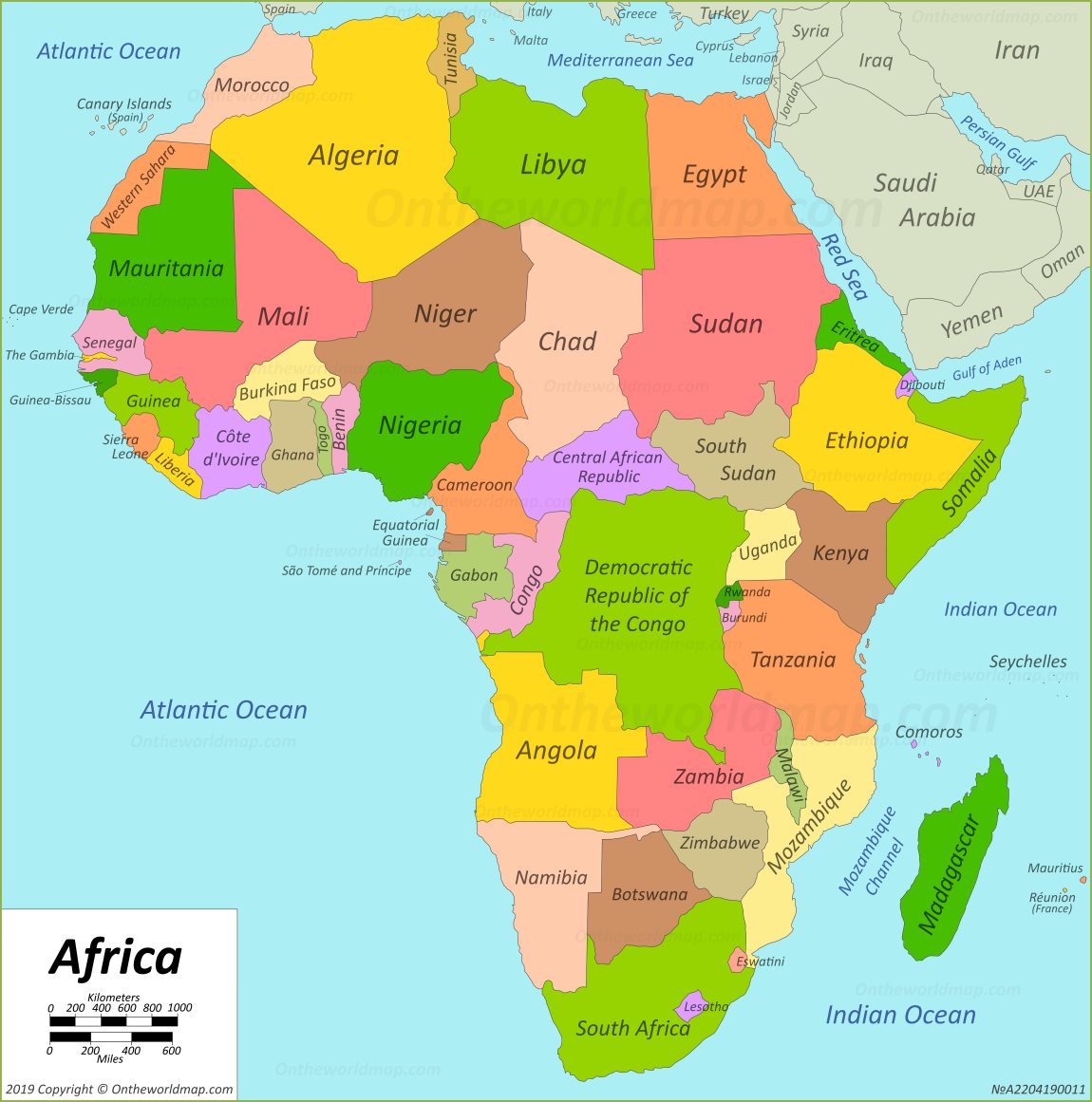
Driven by the economic fallout of the COVID-19 global pandemic, growth in sub-Saharan Africa is predicted to fall to -3.3% in 2020, pushing the region into its first recession in 25 years, according to the latest regional economic analysis — Africa’s Pulse: Charting the Road to Recovery.
The pandemic could also drive up to 40 million people into extreme poverty in Africa in 2020, erasing at least five years of progress in fighting poverty.
With over a million reported COVID-19 cases across the continent, the pandemic is still not under control in Sub-Saharan Africa.
Some governments, notably Senegal and Mauritius, have acted rapidly to reduce the spread of infections; however successful containment measures come with a high economic cost, as has been seen across the globe.
“The road to recovery may be long, and it may be steep, but prioritizing policy actions and investments that address the challenge of creating more, better and inclusive jobs will pave the way for a faster, stronger and inclusive recovery for African countries,” said Albert Zeufack, World Bank Chief Economist for the Africa regions.

Nigeria’s real GDP contracted by 6.1% year-on-year in the second quarter of 2020 — the worst result in more than a decade. South Africa, operating under severe containment measures, saw its real GDP contract by 17.1% year-on-year in the second quarter of 2020.
Angola, Sub-Saharan Africa’s second largest oil producer after Nigeria, saw its economy contract by 1.8% year-on-year in the first quarter of 2020.
The decline in growth has been stronger among metals exporters where real GDP is expected to contract by six percent, partly reflecting the large drop in output in South Africa.
Among oil exporters, after expanding by 1.5% in 2019, real GDP is projected to fall by more than 4% in 2020, owing to contractions in Angola and Nigeria.

COVID-19 situation in Africa
In contrast, for non-resource-intensive countries, the decline in growth in 2020 is expected to be moderate, on average. In several non-resource-intensive countries, including Côte d’Ivoire, Ethiopia, and Kenya, growth is expected to slow substantially, but remain positive, owing to their more diversified economies.
Meanwhile, the tourism-dependent economies, especially those of Cabo Verde, Mauritius and the Seychelles, experienced a sharp contraction as exceptionally weak international tourism severely impacted the service sector.
The substantial downturn in economic activity will cost the region at least $115 million in output losses this year. Gross domestic product per capita growth is expected to contract by nearly 6.0%, in part caused by lower domestic consumption and investment brought on by containment measures to slow the spread of the coronavirus.

COVID-19 Malawi situation
“Although the pandemic is not over and the persistence and spread of the virus is uncertain, African governments have started putting in place policies and programs to support an inclusive and sustainable post-pandemic recovery,” said Hafez Ghanem, World Bank Vice President for Eastern and Southern Africa.
“Countries are putting in place policies and programs that help create jobs and accelerate economic transformation to reduce the economic impact of the pandemic now, and build the capabilities needed to ensure inclusive economic growth in the future.”
Africa’s Pulse notes that the road to recovery will also require massive investments across countries, as well as financial support from the international community, and recommends a bold reform agenda that includes policies that create fiscal space, along with policies to speed up job creation.

Coronavirus alert
Several countries, including South Africa, Nigeria, and Ethiopia, have already begun implementing long-needed reforms in energy and telecommunications spurred by the current crisis, and 25% of African firms have accelerated the use of digital technology and increased investments in digital solutions.
By mid-September, 46 countries in Sub-Saharan Africa had put in place 166 social protection measures — with social assistance representing 84% of these measures.
Social protection programs have proven to be a critical tool to mitigate the social impact of the pandemic.
“As COVID-19 continues to put substantial pressure on Western and Central African economies, it is important for policymakers to create the infrastructure necessary for rapid recovery,” said Ousmane Diagana, World Bank vice-president for Western and Central Africa.
“Strong policies create the critical cornerstone for sustained, inclusive recovery and improved resilience to shocks.”
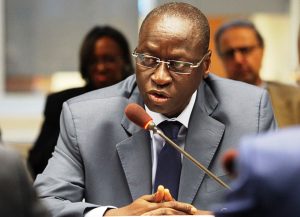
Ousmane Diagana
The World Bank Group, one of the largest sources of funding and knowledge for developing countries, is taking broad, fast action to help developing countries strengthen their pandemic response.
It is supporting public health interventions, working to ensure the flow of critical supplies and equipment, and helping the private sector continue to operate and sustain jobs.
It pledged to be deploying up to US$160 billion in financial support over 15 months to help more than 100 countries protect the poor and vulnerable, support businesses, and bolster economic recovery.
This includes US$50 billion of new IDA resources through grants and highly concessional loans.

Coronavirus alert