
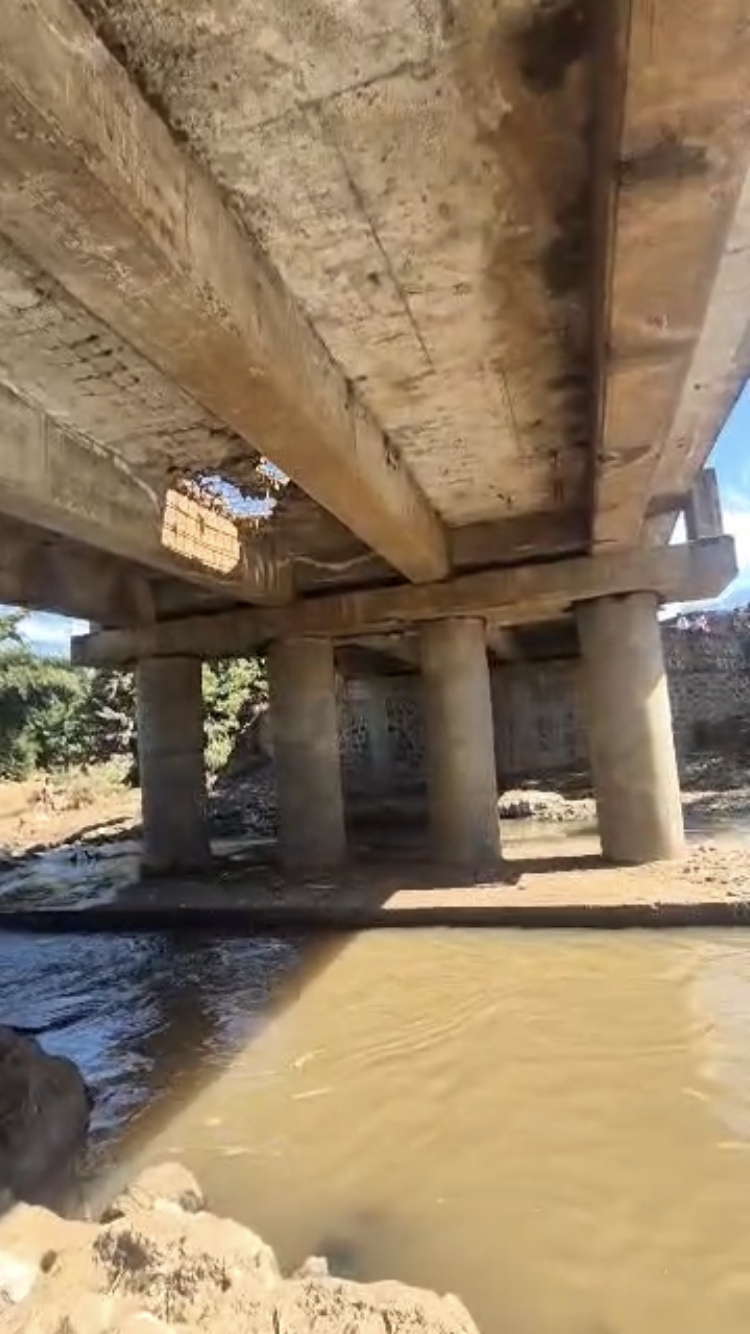
* Constructed in 2021 at a cost of MK200 million, the bridge has been reduced to a death trap due to glaring structural failures
* The defects are not only a technical failure but also a clear reflection of gross negligence, weak oversight, and possible corruption on the part of duty bearers for the project
* This is a life-line for struggling small-scale businesses due to expensive transport of goods and services as a result of the broken bridge
By Duncan Mlanjira
An assessment by Malawi Engineering Institution (MEI) released on May 30, 2025, reveals some alarming defects of Mpondabwino Bridge over Likangala River in Zomba, which does not match the cost of construction in 2021 at nearly K200 million.

Advertisement
In its reports, the MIE observed that the bridge has developed serious cracks on the deck’s concrete, exposing steel reinforcement bars; and that there are some critical documentation that are missing, including concrete strength tests and material certificates.
Other concerns include deviation from agreed specifications, such as incorrect slab thickness; that there is no completion certificate issued by the consultant — coupled with missing inspection records.
The Zomba City Council is also accused of willing fully hiding the serious defects by using black sheets — further exacerbating the death trap.
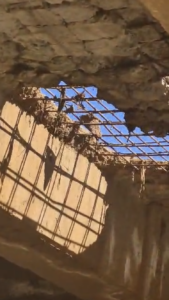
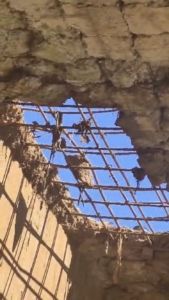
This has been observed by Zomba civil society organisations (ZCSOs) Network, which has issued a statement demanding immediate solutions and accountability — and among them, include that law enforcers and the Anti-Corruption Bureau (ACB) should investigate “for possible theft and corruption between the contractor, the consulting engineers, and city council officials involved”.
“Barely two years after completion and handover to the community, the bridge has been reduced to a death trap due to glaring structural failures,” says the ZCSOs Network in its public statement; entitled ‘From Forest Plunder to Broken Bridges, Who Pays the Development Price?’.
After taking note of the assessment by Malawi Engineering Institution (MEI), the ZCSOs contend that they are “not only a technical failure but also a clear reflection of gross negligence, weak oversight, and possible corruption on the part of duty bearers for this project”.

“It is also a betrayal of public trust and violation of the right to safety and mobility, and ultimately a gross violation of the right to economic activities and development by thousands of people who, on daily basis, rely on the bridge to access affordable means of transport for their businesses.
“Sadly, as duty bearers, the City Council has chosen to mislead the general public by claiming that the Malawi Engineers Institute have not yet released their final report. We can only regard this as guilty conscious and an attempt to shield their liabilities and accountability to the public especially communities around Mpondabwino.
“This represents broken trust between citizens and the leaders whom they have always looked forward to realise their basic socio-economic aspirations.”

Thus the ZCSOs Netowork demands for the intervention of the ACB and immediate redress that includes “urgent repairs to the bridge with effective oversight to restore safety and easy mobility [and that the] central government through Ministry of Transport & Public Works to intervene and fast-track the process”.
“This is a life-line for struggling small-scale businesses due to expensive transport of goods and services as a result of the broken bridge.”
They also call upon the National Construction Industry Council (NCIC) “to make use of the findings by Malawi Engineers Institute and intervene to discipline the contractor (Shimmering Towers Construction) and the consulting engineers (Jatula Consulting Engineers Ltd) — who delivered this heart-breaking substandard bridge leading to loss of millions of public funds”.
They also demand for systemic reform by encouraging local councils and all duty bearers “to always remember that they are in positions of trust; that they hold fiduciary duties which they must discharge in a manner that sustains people’s trust”.
“They must demonstrate urgency on matters that expose citizens to life-threatening environmental shocks and strive to observe strict observations of regulations and procedures that were put in place to prevent loss of public resources.”


Advertisement
The CSOs maintain that they represent the voice of the community in light of socio-economic development interests of the people of Zomba — and they thus call upon the Zomba residents that, since the issues raised directly hinge on their survival, nobody is in a better position to protect their resources than themselves for they shall have themselves to pay the heavy price for failing to collaborate or engage with duty bearers.
“We, therefore, call upon all residents and development stakeholders of Zomba to embrace active citizenship approach towards community development issues. It requires participation in initiatives that protect our resources.
“It also requires showing interest towards public projects in the local communities and engage with duty bearers to demonstrate transparency and accountability in the implementation of public projects.
“This will safeguard our resources and prevent future losses of public funds,” concludes the statement issued yesterday by chairperson, Nicholas Mwisama, who is Executive Director for Transparency Initiative.
* Weather update
