
* Of fuel scarcity, shortage of foreign exchange, high cost of living, current state of national reserves and full and transparent investigative closure of Amaryllis Hotel
* Including to present to Parliament and the public a comprehensive and time-bound economic stabilisation plan with concrete measures to address the economic challenges
By Duncan Mlanjira
The opposition party, United Democratic Front (UDF) says it is deeply concerned with “the rapidly deteriorating economic situation in Malawi” and thus calls on President Peter Mutharika “to address the nation directly, openly and without further delay on the steps his government is taking to resolve the crisis”.

Advertisement
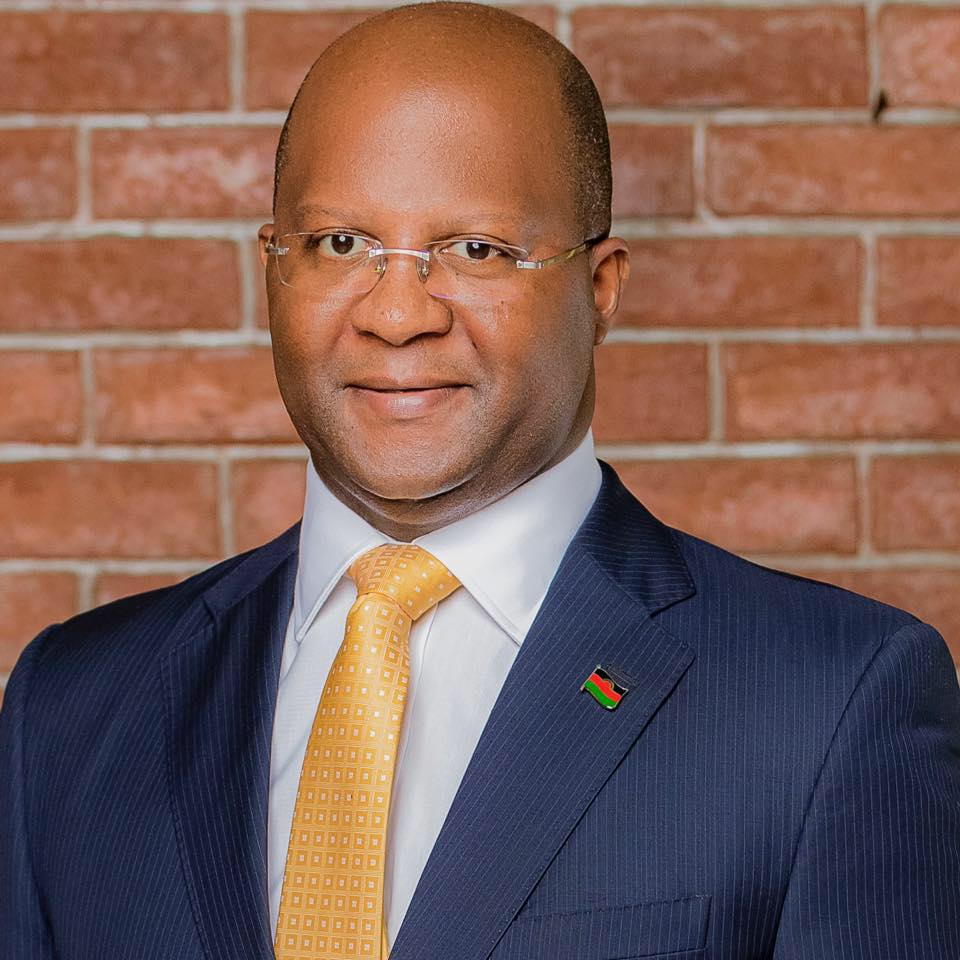
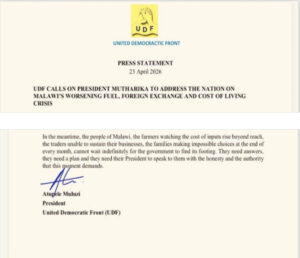
In a statement issued today, April 24, UDF president Atupele Muluzi demands that the State President must address the nation directly on the fuel and foreign exchange crisis and provide a clear, honest and detailed account of the current state of national reserves, including the emergency measures being taken, and a credible plan for restoring stability.
“Malawians deserve to hear from the Head of State, not from the spokespersons issuing contradictory statements,” says the statement. “The government must present to Parliament, and the public, a comprehensive and time-bound economic stabilisation plan with concrete measures to address the foreign exchange shortage; restore fuel supply; reduce the cost of living and support the productive sectors on which Malawi’s long-term recovery depends.
“The government must provide a full and transparent account of the decision to liquidate the Reserve Bank of Malawi’s sovereign gold reserves, including the terms, the amounts and the rationale, so that Malawians understand what has been done with national assets held in their name.
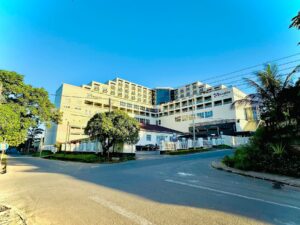
“The Amaryllis Hotel scandal must be fully investigated, and those found responsible must be prosecuted. Accountability for public resources is not a peripheral governance matter, it is central to restoring the economic confidence this country urgently needs.
“The UDF believes that Malawi’s economic challenges, while serious, are not insurmountable. This country has the natural resources, the human talent and the regional position to build a competitive, export-generating economy that creates jobs and raises living standards.
“What is required is a leadership that is honest about where the country stands, disciplined in the management of public finances, and serious about building the structural foundation of long-term economic stability. That leadership is what UDF is committed to providing.”
The opposition party further highlights that farmers, who are watching the cost of inputs rise beyond their reach; traders who are unable to sustain their businesses; families who are making impossible choices at the end of every month, “cannot wait indefinitely for the government to find its footing”.
“They need answers, they need a plan and they need their President to speak to them with the honesty and the authority that this moment demands.
“Malawi is in the grip of a severe fuel and foreign exchange crisis that is disrupting transport, trade, agriculture and the daily lives of millions of citizens across the country.
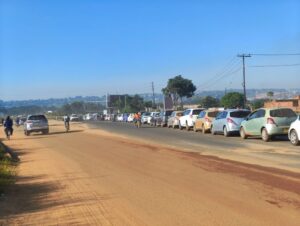
“The government spokesperson has publicly confirmed that the country’s fuel reserves are exhausted and that the government does not have the foreign exchange necessary to procure fuel from international suppliers.
“The Reserve Bank of Malawi has been compelled to liquidate a portion of the country’s sovereign gold reserves, national assets held in trust for the Malawian people, as an emergency measure to raise funds for fuel importation.
“These are admissions made by the government itself, and they speak to the severity of the crisis now facing this country.
“The cost of fuel has become unaffordable for ordinary Malawians, for transporters, for small businesses and for farmers who depend on it to move their produce to the market.
“The rising cost of living is squeezing household incomes to a breaking point. Prices of basic goods continue to climb; civil servants have risen in open revolt over wages and conditions.
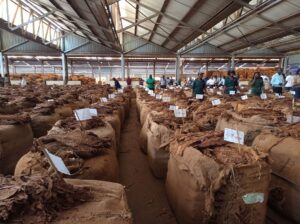
“Tobacco farmers, the backbone of this country’s foreign exchange earnings, are entering one of the most difficult marketing seasons in recent memory at precisely the moment when the country can least afford a weakened export performance.
“These conditions are not abstractions, they are the lived reality of Malawians in every district, every town and every village,” says Atupele Muluzi, adding that “what compounds the public’s anxiety is not only the severity of the crisis but the incoherence and inconsistency of the official response.
“The government has, within the space of a single news cycle, made admissions of the gravest kinds regarding the state of national reserves, only to follow those admissions with reassurances that the situation is under control.
“The contradictory signals have deepened public concern and eroded confidence in government’s capacity to manage the crisis. Malawians cannot plan, businesses cannot invest and development partners cannot commit when official communications are unreliable and inconsistent.
“The UDF acknowledges that global factors, including the disruption to international energy markets arising from the conflict in the Middle East, have placed additional pressure on Malawi’s already strained foreign exchange position.

Advertisement
“These are real and documented challenges, however, external shocks do not account for the structural vulnerabilities that have left Malawi so acutely exposed.
“Years of fiscal mismanagement, a narrow export base, persistent failure to diversify the economy beyond tobacco, inadequate investment in productive sectors and unresolved questions around the management of public resources have combined to leave this country without the buffers it needs to withstand external pressure — these are governance failures, and the require honest acknowledgment.”
On the Amaryllis Hotel scandal, the UDF observes that “significant public resources are alleged to have been misappropriated through opaque transactions involving state institutions [but the Parliamentary] Public Accounts Committee has faced obstruction in its efforts to hold officials to account”.
“Corruption of this nature does not exist in isolation from the economic crisis. It erodes investor confidence, weakens institutional credibility and diverts resources that could otherwise support economic stability and service delivery.
“There can be no serious path to economic recovery that does not include full accountability for the misuse of public funds.”

Advertisement