
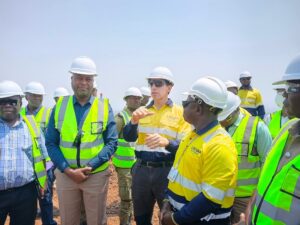
Minister Thoko Tembo at Kangankunde yesterday
* No mining company is allowed to export raw minerals. The minerals have to be processed before they are exported
* Mineral resources belong to the country and should contribute meaningfully to national development
By Mary Makhiringa, Malawi News Agency (MANA) & Duncan Mlanjira, Maravi Express
Minister of Mining Thoko Tembo has reiterated that mining companies operating in Malawi must process their minerals before exporting them, saying the country cannot continue exporting raw minerals and importing finished products at higher costs.

Advertisement
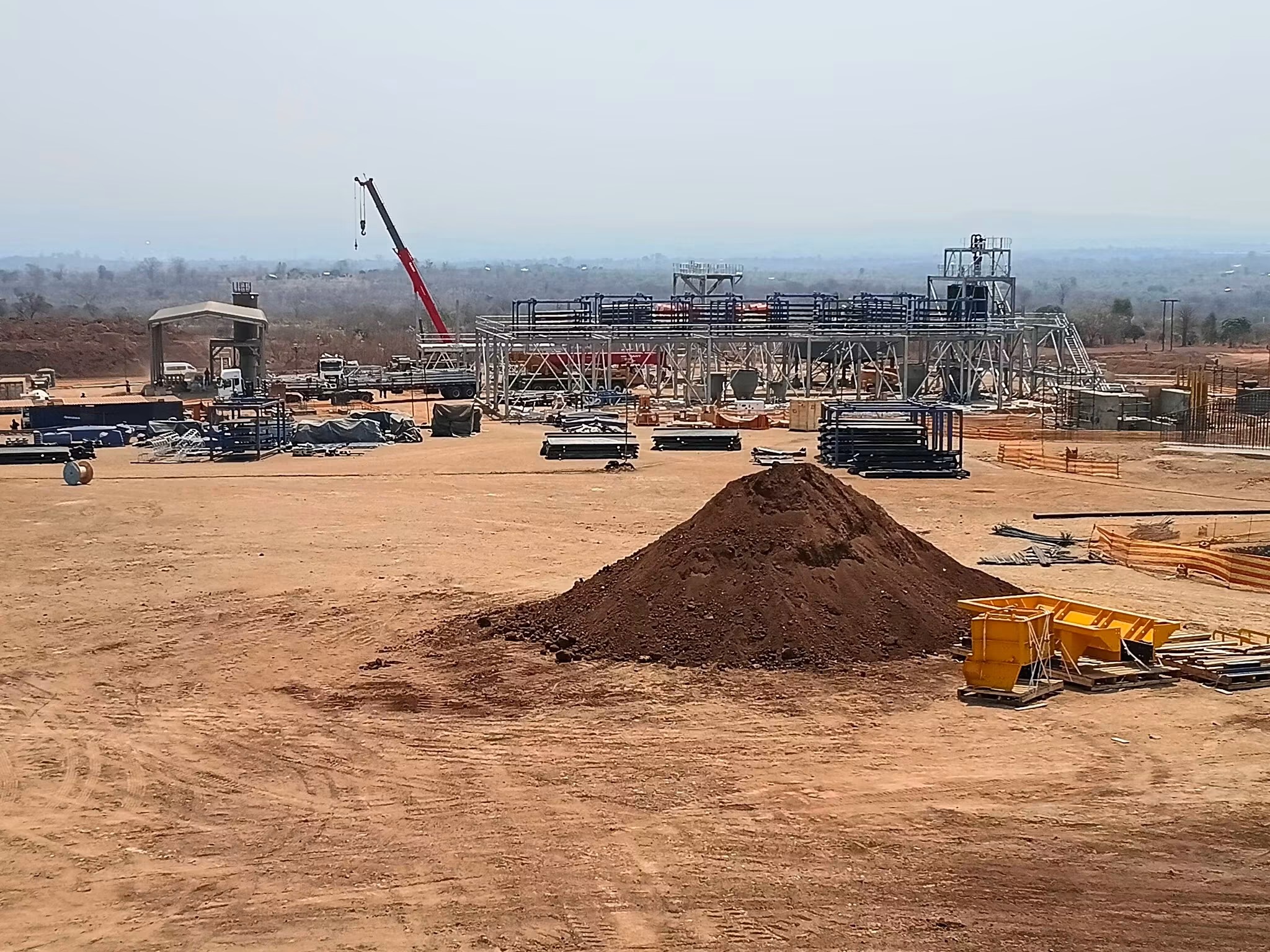
Tembo said this yesterday, September 23, when he visited Kangankunde rare earth project in Balaka, where he engaged management of Australiaan investor, Lindian Resources.
A report by Mining & Trade Review this week indicated that the ASX-listed Lindian Resources is getting ready to export raw monazite concentrate extracted from the Kangankunde Mine.
This is despite the raw mineral exports ban that was imposed by President Arthur Peter Mutharika, who directed that rare earth ores are required to be processed locally to rare earth oxides before export.
On October 21 — during the swearing-in of the State Second Vice-President Enock Chihana and Ministers of Agriculture, Irrigation & Water Development, Roza Mbilizi and of the then Business, Trade & Tourism, George Patridge — President Mutharika emphasised that he would not allow exportation of raw materials from all mines.
He expressed optimism that the country stands to significantly benefit from mining sites discovered at Kasiya in Lilongwe and Kangankude — emphasising that if the mining proceeds from the two sites would be managed properly, the country would be generating around US$500 million every year.
Thus Minister Tembo underscored President Mutharika’s directive, saying the Government is committed to ensuring that the country should benefit from its mineral resources through value addition, employment creation and the development of surrounding communities.
“No mining company is allowed to export raw minerals,” stated Tembo. “The minerals have to be processed before they are exported.”
He added that the Government wants mining activities across the country to benefit both investors and local communities, adding that mineral resources belong to the country and should contribute meaningfully to national development.
Red flags were raised in Parliament last month over suspected irregularities at Kangankude Mine, that included using a medium scale mining licence to operate the globally significant rare earth deposit.
There were also reports and Lindian Resources has no mining development agreement with Malawi Government nor Community Development Agreement with local community.
Executive director, Zac Komur, indicated yesterday that the Australian company has already made plans to change its mining licence from medium-scale to large-scale.
He added that this would attract increased investment and create more benefits for the local community and the country.
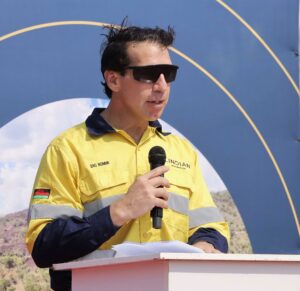
Zac Komur
Komur further said the company is currently planning the first phase of production, which would involve mining about 500,000 metric tonnes of rare earth-bearing material per year containing between 2%-3% rare earth oxides.
He said the material would undergo processing and refining to reduce impurities and produce a higher-value mineral product.
“For stage one, the company will mine 500,000 metric tonnes of rare earth material per year, which contains about two to three percent rare earth oxides.
“This will be processed and refined to reduce the impurity content,” said Komur, who added that the project is expected to create long-term employment, develop skills and generate wider economic opportunities for Malawians as it progresses towards production.
He further said while significant progress has already been made, the project’s greatest contribution to Malawi is expected to come as it moves through commissioning, production and the next phase of development.
When President Mutharika imposed the export ban policy on raw minerals, Chief Economist, Chifipa Mhango advised that it must be implemented with careful — to align with Malawi’s current infrastructure and industrial capacity constraints.
Mhango, who is South Africa’s Don Consultancy Group (DCG) Executive Director-Economic Research & Strategy endorsed that Malawi’s mineral endowment offers great potential for industrialisation and economic diversification.
However, he warned that “imposing a blanket export ban without parallel investment in domestic processing capacity and logistics infrastructure could have unintended economic consequences”.
“The idea of banning raw mineral exports aligns with the long-term vision of achieving domestic beneficiation and industrial transformation, which is perfect for Malawi,” Mhango said in a press statement.
“However, without adequate infrastructure — such as power, transport, and processing facilities — the policy could inadvertently stifle sector growth, reduce foreign exchange earnings, and discourage private investment.”

Chifipa Mhango
The Ministry’s media platform reports that Tembo has been visiting mining companies across the country since his appointment to gain a better understanding of their operations, progress and challenges.
He noted that access to reliable energy and transportation remains a challenge for many mining companies, but said Government institutions responsible for these areas are working to create an enabling environment for the growth of the mining sector.
The Minister also commended Kangankunde for adopting solar power to support its operations, saying the initiative demonstrates the importance of exploring alternative energy solutions in the mining sector.
He encouraged mining companies to continue working closely with Government, saying both parties share a common goal of ensuring that Malawi’s mineral resources contribute to improving the livelihoods of Malawians.
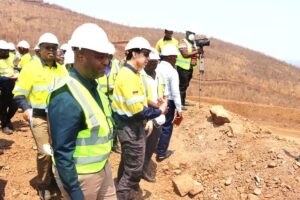
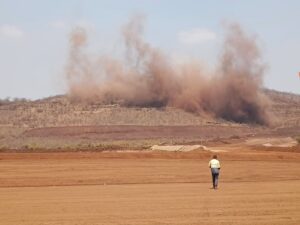
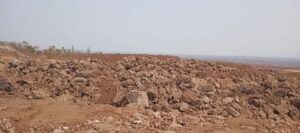
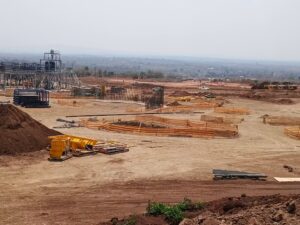
During the visit, the Minister was taken through key areas of the project, including the Run-of-Mine (ROM) pad, and other infrastructure being developed to support operations.
Balaka District Commissioner, Bibu Yusufu Mdala, hailed Lindian Resources for investing in the local community even before actual mining operations commenced.
Mdala said the company’s interventions demonstrates its commitment to working with communities surrounding the mining site.

Advertisement