
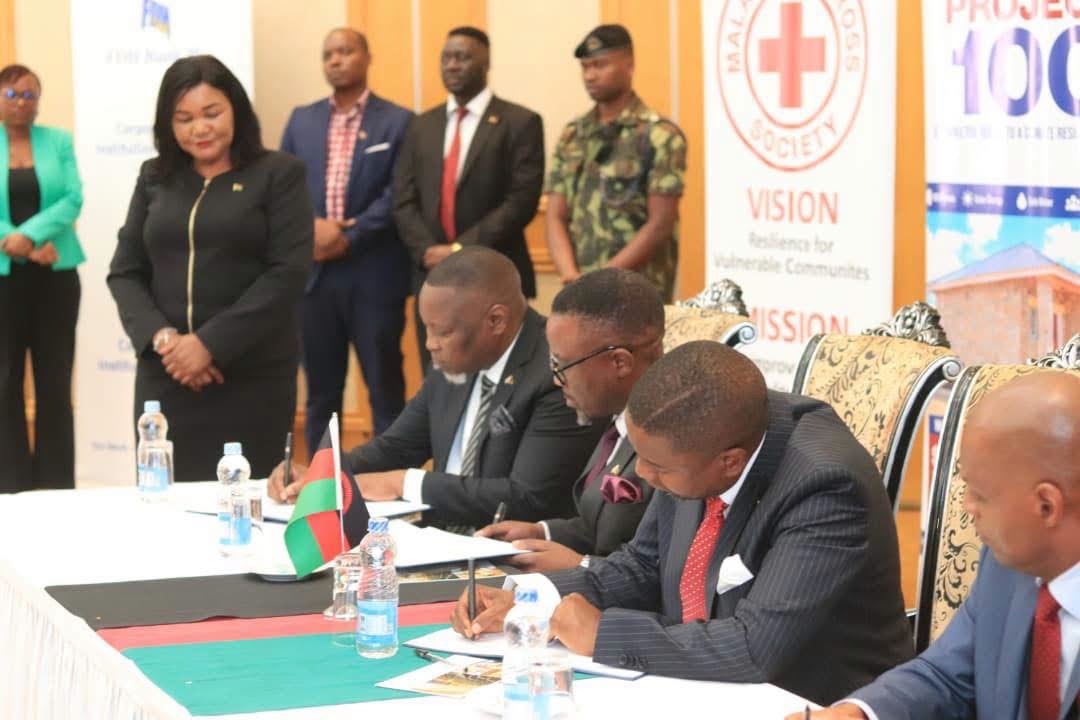
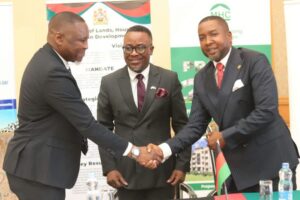
FDH Bank MD Noel Mkulichi, MHC CEO Bob Chimkango and Minister Chipungu sealing the public-private partnership
* Signs public-private partnership MoUs that set out a framework for planned, affordable and community-driven housing programmes
* With FDH Bank as the main sponsor of the funding for the houses to be built by Malawi Housing Corporation
By Frank Humphreys, Malawi News Agency (MANA)
Government has signed memoranda of understanding (MoUs) with three housing-sector players to improve access to adequate and affordable housing, as about 75% of the country’s urban population lives in informal settlements.

Advertisement
The Ministry of Lands, Housing & Urban Development signed the agreements with Malawi Housing Corporation (MHC), Centre for Community Organisation & Development and Habitat for Humanity Malawi — with FDH Bank as the main sponsor of the funding for the houses.
The MoUs signed set out a framework for planned, affordable and community-driven housing programmes.
The agreements were signed during a multi-stakeholder workshop held at the Bingu International Convention Centre (BICC) in Lilongwe as part of Urban October activities, under the theme; ‘Strengthening Partnerships for Adequate and Affordable Housing, Inclusive Slum Upgrading, and Sustainable Development’.
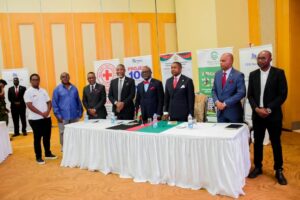
Minister of Lands, Housing & Urban Development Chimwemwe Chipungu graced the occasion, who said the partners’ willingness to work with government was a significant step.
Chipungu highlighted that the high cost of building materials and land, along with the effects of climate change, continues to hold back housing delivery.
He said government and its partners are working on low-cost and climate-resilient designs. He also called on financial institutions to develop affordable mortgages, housing microfinance, rent-to-own schemes and housing savings products.
“Property developers and investors should explore how they can partner with Government for the development of affordable housing and serviced land,” he said.
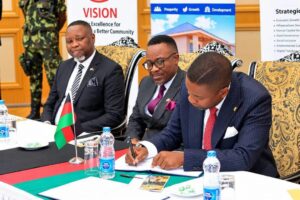
MHC’s Chief Executive Officer, Bob Chimkango said the partnerships are central to the corporation’s work, adding that the corporation is pursuing Project 250, under which more than 250,000 houses will be built over the next 10 years.
He unveiled that the FDH Bank is financing over 10,000 houses in the first phase, with construction expected to begin in November, depending on logistics.
The partnerships will also explore a proposed Community Housing Fund, promote approved settlement plans, construction quality assurance and coordinated neighbourhood infrastructure.
On its official Facebook account, the FDH Bank confirmed it had partnered with MHC on the Project 250 to develop an initial 10,000 residential housing units in the first year, across the country.
“From affordable housing options to flexible financing, we are creating lasting value for high, middle, and lower-income earners,” said the bank.
“Homegrown institutions are proving they have the vision to turn our collective dreams into reality. Transforming home ownership in Malawi just got a major boost!”
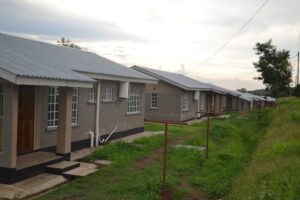
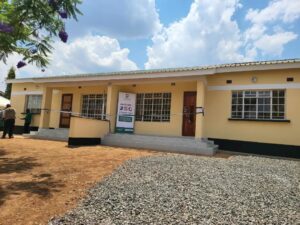
Under the MoU, FDH Bank will provide structured financing for the project, which targets high, middle and low-income earners with what the partners say is a focus on affordable housing.
The project is being positioned as part of the MW2063 national development vision, which identifies housing as a key enabler for urbanisation and wealth creation.
Malawi has a housing deficit estimated at over 1.5 million units, with demand growing rapidly in Lilongwe, Blantyre and Mzuzu.
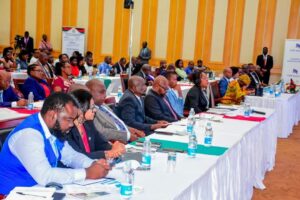
The workshop brought together government, development partners, civil society, academia and the private sector to identify investment opportunities, financing solutions and possible pilot projects.
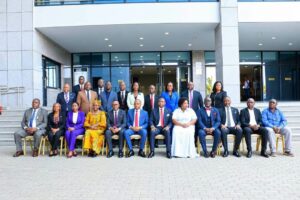
Minister Chipungu highlighted that addressing the country’s housing challenges required coordinated efforts and called on financial institutions to develop accessible housing finance products.
These should include affordable mortgages, housing microfinance, rent-to-own schemes and housing savings schemes, to enable more Malawians to acquire, construct and improve their homes.
“Property developers and investors should explore how they can partner with Government for the development of affordable housing and serviced land,” he said.
He, therefore, called for the promotion of alternative affordable housing technologies, locally available building materials, efficient construction methods and climate-resilient designs to reduce construction costs while ensuring safety, durability and sustainability.

The partnerships will also explore affordable housing finance arrangements, including a proposed Community Housing Fund, while promoting approved settlement plans, appropriate housing designs, construction quality assurance and coordinated neighbourhood infrastructure.
The workshop also provided a platform for stakeholders to identify practical investment opportunities, financing solutions, potential pilot projects and institutional commitments to improve housing delivery.
The signing of the MoUs marks a step towards strengthening public-private and community partnerships in addressing Malawi’s housing deficit and advancing access to adequate housing for all.
Just a week go, in recognition that October is World Habitat Awareness Month, Washington Chimuzu — a certified Project Management Professional (PMP) — observed when declaring October 5 as World Habitat Day, observed on October 5, it sets as a reminder that “housing is more than bricks and mortar”.

Washington Chimuzu
Writing on his LinkedIn account, which Maravi Express published on October 23, Chimuzu emphasised that MHC’s Project 250’s message is clear, that ‘Malawi’s housing ambitions are enormous, and public money alone cannot deliver them”.
He maintained that housing “encompasses human dignity, economic opportunity, environmental sustainability and the development of inclusive communities”.
“The importance of home ownership cannot be undermined. The challenge is not simply to build more houses, but to deliver homes that people can afford, supported by reliable infrastructure.
“Public-private partnerships (PPPs) could help bridge this gap,” said Chimuzu, who is a registered civil engineer with extensive expertise in property development, infrastructure, and corporate strategy.—Editing and additional reporting by Duncan Mlanjira, Maravi Express

Advertisement