
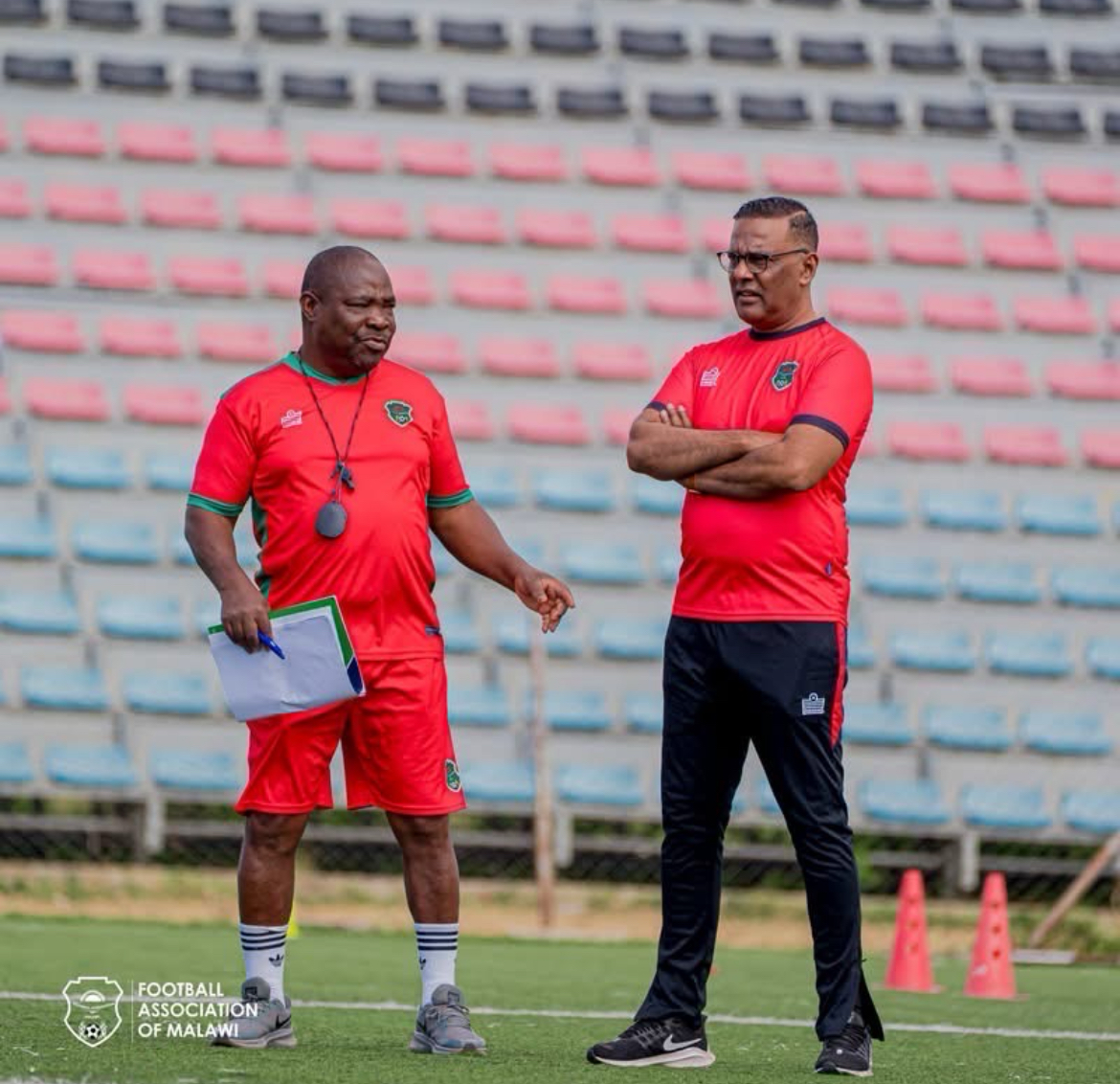
Coach Lovemore Fazili with technical advisor Singh
* Sudesh Singh, Scorchers technical advisor for the WAfCON Morocco 2026 believes Malawi’s achievement offers a lesson for the rest of the continent
* This high performance and elite football system proves that in African football, if there’s a unified approach, with proper planning, then success will be an inevitable outcome
By Duncan Mlanjira
Sudesh Singh, the South African coach whom Football Association of Malawi (FAM) engaged as technical advisor to prepare and guide Malawi Scorchers technical team for the Women’s Africa Cup of Nations (WAfCON), contends that the holistic approach to high performance and elite football system that was deployed unlocked team’s historic accomplishment in Morocco.

Advertisement
FAM appointed Singh as technical advisor during preparations for the WAfCON Morocco 2026 to enhance the Scorchers’ chances along with Tyrese Steyn as performance analyst.
FAM Media reported on July 1 that Singh boasts of vast experience to the game having served in football technical and advisory roles for over 30 years.
He has previously served as sports director of South African football coaches association, technical consultant at Botswana side Masitaoka FC, and football strategist for SuperSport’s Soccer Africa show.
In an interview with South African Broadcasting Corporation (SABC), Singh indicated that his role was to build the structures and culture needed to give the team the best possible chance of succeeding.
He added that as technical advisor, he was tasked “to architect a High Performance environment and a culture of professionalism and excellence”.
“I spent about 8-10 days in camp in Malawi before we came to Morocco,” he told SABC. “Designing and effectively implementing such a structure and framework for everyone to work under, usually takes a long time, but despite the obvious challenges of resistance and pushbacks, we still kept on track for the objective of qualifying for the World Cup.”
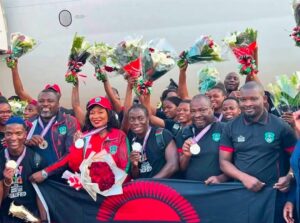
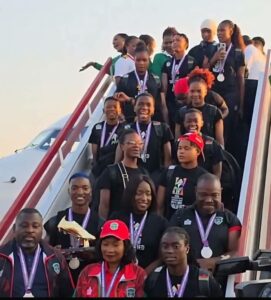
The Scorchers being welcomed at Kamuzu International Airport in Lilongwe


Singh further indicated that the alignment within the team was central to the breakthrough: “Getting everyone aligned to the performance objectives was key.
“Instilling confidence, professionalism, changing mindsets was challenging, but we were focused on the objective.”
He also told SABC that he introduced the Maximal Training methodology and philosophy, which he says goes beyond what happens on the football pitch.
“Using our Maximal Training (MT) methodology/philosophy, both for on-the-field and off-the-field preparations, was a key factor.
“…MT isn’t just a ‘training’ methodology but a holistic approach for High Performance and Elite football, as everything in football is interlinked.
“You can’t achieve success on the field of play if it’s not matched by excellence and professionalism off the field and behind the scenes.”
For Singh, SABC reports, the attention to detail extended to almost every aspect of the team’s daily routine: “A big part of this planning was around attention to detail; circadian rhythm (body clock), what time we sleep, what time we eat, train, etc., etc.
“Everything was planned for optimum efficiency, effort recovery, loading, planning training sessions volume/intensity/complexity, and such.”
He also unwrapped that the tactical approach was also tailored to the strengths of the players available to head coach Lovemore Fazili.
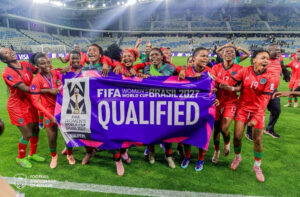
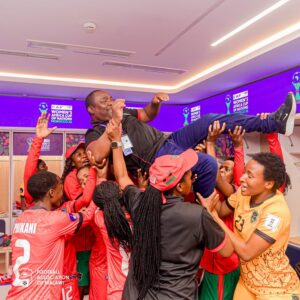
Singh further told SABC that the team developed a game model designed around Malawi’s attacking strengths while working to improve the defensive structure and organisation.
“We designed a game model based on the strengths of the players, especially the attacking players; whilst trying to work on improving the defensive structure/organisation.
“The Chawinga sisters, Tabitha and Temwa, were central to that approach, alongside two young attackers playing in France [Rose Kadzere] and Sweden [Faith Chinzimu].
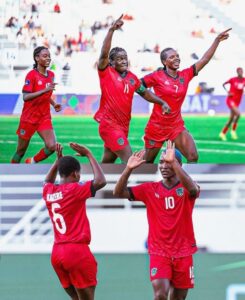
“The players were wonderful in training, although most of the local-based hadn’t been playing as their league hasn’t started.
“Having two world-class players in the Chawinga sisters was a key part of our game model, plus two young skilful midfielder/attackers who play in France and Sweden.”
SABC analyses that the Scorchers, fairytale run “was all the more impressive because this was their first appearance at the continental finals”.
“The Scorchers ultimately fell short of the trophy against Cameroon, but their second-place finish marked a historic breakthrough for Malawian women’s football.
“For Singh, however, the significance of the achievement goes beyond Malawi. He believes the experience has reinforced the need for African football to invest in modern, scientific and context-specific coach education,” reports SABC.
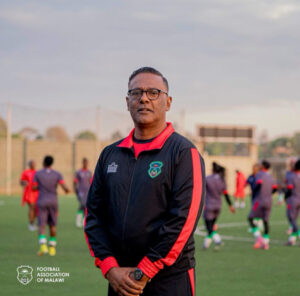
It quotes Singh: “African football needs higher quality level of coach education that’s modern, scientific and bespoke to one’s environment/country/region.
“It’s very important to have an understanding, insights into local cultures, environments, so as to maximise the impact and talents.”
The technical advisor also believes the Malawi’s high performance and elite football system “demonstrated what can happen when an entire football structure works towards one objective”.
“Overall, it’s been a highly successful and enjoyable experience, despite the numerous challenges encountered,” he said. “But credit to everyone involved in this project, especially the FAM president, Fleetwood Haiya, executive member, Felister Dossi, and FAM support staff.
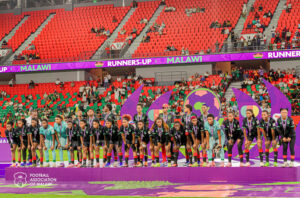
And perhaps most importantly, Singh believes Malawi’s achievement offers a lesson for the rest of the continent: “This project proves that in African football, if there’s a unified approach, with proper planning, then success will be an inevitable outcome.”
However, since Banyana Banyana failed to get past the quarterfinals to earn an automatic qualification to the FIFA World Cup Brazil 2027, the South Africans are taking credit of Singh’s involvement in the Scorchers.
SABC opines that “it was also an opportunity to showcase a distinctly South African contribution on one of African football’s biggest stages”.
“Singh’s work in Morocco did not produce the WAfCON trophy, but it formed part of a technical effort that helped Malawi reach their first continental final and book their place among Africa’s representatives at the 2027 Women’s World Cup in Brazil.
“Singh may have been on the technical team of Malawi’s national women’s team, but his contribution to the Scorchers’ historic run at the WAfCON ensured that the South African flag was flying high at the continental showpiece,” reports SABC.
But, as Singh indicated, kudos should go to Haiya’s administration for considering the holistic approach to high performance and elite football system.

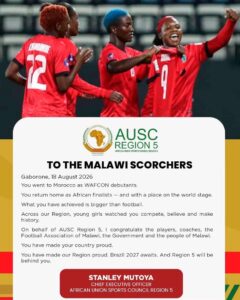
Meanwhile, in congratulating the Scorchers for the their achievements, African Union Sports Council (AUSC) Region 5 says: “Malawi arrived at WAfCON 2026 as debutants — they left as African finalists and FIFA Women’s World Cup 2027 qualifiers.
“That is not simply a tournament result — it is a statement about belief, courage and what becomes possible when African women are given the opportunity to compete at the highest level.
“To the players, coaches, technical team and the people of Malawi: You made history; you inspired a nation; you inspired our Region.
The journey does not end [there] — the world awaits in 2027. Region 5 is proud of you.”

Advertisement