

* Followed by Dedza (9.89%), Rumphi (8.54%), Zomba Urban (8.21%), Mzimba South (7.63%), Nkhatabay (6.87%), Mzuzu City (6.86%), Mulanje (6.77%), Lilongwe West (6.76%) and Chiradzulu (6.67%)
* Out of the 188,169 candidates that sat for the 2026 examination, 111,510 have passed — representing 59.26% pass rate
* Top 10 city day schools are Ndirande Hill (Blantyre Urban, 17.47%), Chichiri (Blantyre Urban, 12.05%), Katoto (Mzuzu City, 10.08%), Bwaila (Lilongwe City, 10.07%), Zingwangwa (Blantyre Urban, 9.89%), Chinsapo (Lilongwe City, 9.79%), Luwinga (Mzuzu City, 9.37%), Chipasula (Lilongwe City, 8.20%), Bangwe (Blantyre Urban, 7.97%) and Mkwichi (Lilongwe City, 7.96%)
By Duncan Mlanjira
Malawi National Examinations Board (MANEB) has released the 2026 Malawi School Certificate of Education (MSCE) examination results.
A statement from MANEB Executive Director Prof. Dorothy Cynthia Nampota indicates that out of the 188,169 candidates that sat for the 2026 examination, 111,510 have passed — representing 59.26% pass rate.
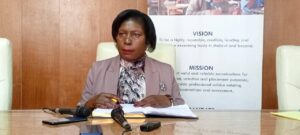
Prof. Dorothy Cynthia Nampota
And out of the 98,020 male candidates, 63,037 have passed (62.80%) while female candidates were 90,149 out of which 48,473 have passed (53.77%).
Internal candidates were 115,186 of which 73,807 passed (64.08%) with 45.49% passing (9,040) from the 19,873 external candidates that sat for this examination.
Out of the 53,110 ODL candidates, 28,663 have passed (53.97%) with Special Needs Education (SNE) being 908 candidates out of which 562 have passed (61.89%).
Male SNE were 488 out of which 284 passed (58.20% and from 420 female SNE candidates, 278 (66.19%).
From the 2,914 candidates at national secondary schools, 2,837 passed (97.36%) with 5,757 being at district boarding secondary schools, out of which 5,347 passed (92.88%).
At city day secondary schools 4,432 sat for the examination, of which 3,758 passed (84.79%) while at district day secondary schools there 3,604 candidates out of which 2,601 passed (72.17%).
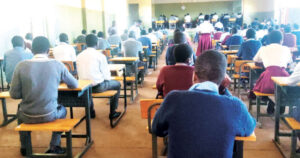
At community day secondary schools, there were 52,982 candidates out of which 29,511 passed (55.70%) with 45,783 candidates being from private secondary schools, of which 29,895 passed (65.30%).
On the performance of districts based on proportion of distinctions, Karonga leads in top 10 at 11.41% pass rate followed by Dedza (9.89%), Rumphi (8.54%), Zomba Urban (8.21%), Mzimba South (7.63%), Nkhatabay (6.87%), Mzuzu City (6.86%), Mulanje (6.77%), Lilongwe West (6.76%) and Chiradzulu (6.67%).
While the bottom 10) in ascending order are Machinga (2.60%), Thyolo (3.01%), Ntchisi (3.31%), Mwanza (3.44%), Neno (3.99%), Nsanje (4.00%), Chikwawa (4.07%), Zomba Rural (4.08%), Phalombe (4.35%), and Ntcheu (4.43%).
At education division, the North also lead at 7.40% followed by Central West (5.96%), Central East (5.44%), South East (5.37%), Shire Highlands (5.20%) and South West (4.25%).
The top 10 schools are St Mauritius (Rumphi, 65.00%), Ludzi Girls (Mchinji, 50.13%), St Kizito Seminary (Dedza, 49.71%), Likulezi Catholic Boys (Phalombe, 49.00%), Karonga St Mary’s Girls (Karonga, 48.65%), St John Bosco (Mzimba South, 47.08%), Likuni Boys (Lilongwe West, 45.10%), Marist (Pvt) (Dedza, 43.79%), St Patrick’s Seminary (Rumphi, 42.74%) and Chaminade (Karonga, 42.11%).

Advertisement
The bottom 10 in ascending order are Greenfield Academy (Lilongwe West, 0.00%), Neesena (Pvt) (Thyolo, 0.00%), Joy (Pvt) (Mangochi, 0.00%), Vision Foundation (Pvt) (Lilongwe City, 0.00%), Kalonga II Community (Lilongwe East, 0.00%), Lusolathu (Pvt) (Machinga, 0.00%), Kasonga Community (Zomba Rural, 7.69%), Nsambamwali Community (Blantyre Rural, 8.57%), Mlomba Community – (Blantyre Rural, 10.00%) and Namwanje Community (Blantyre Rural, 12.50%).
On the top 10 national schools are St Mauritius (Rumphi, 65.00%), Ludzi Girls (Mchinji, 50.13%), Karonga St Mary’s Girls (Karonga, 48.65%), St John Bosco (Mzimba South, 47.08%), Likuni Boys (Lilongwe West, 45.10%), Chaminade (Karonga, 42.11%), St Mary’s (Zomba Urban, 41.71%), Mtendere (Dedza, 41.31%), Loyola Jesuit (Kasungu, 40.46%) and Dedza (Dedza, 39.98%).
The bottom 10 are SBVM Mpalankhanga SNE (Zomba Rural, 0.00%), Malosa (Zomba Rural, 12.01%), St Michael’s Girls (Mangochi, 13.54%), Mlanda Girls’ (Ntcheu, 16.88%), Kaseye Girls (Chitipa, 23.70%), Robert Laws (Mzimba South, 24.07%), Blantyre Secondary (Blantyre Urban, 25.02%), Stella Maris (Blantyre Urban, 26.98%), Likuni Girls (Lilongwe West, 32.74%) and Lilongwe Girls (Lilongwe City, 34.01%).
Top 10 district boarding schools are Chayamba (Kasungu, 28.49%), (Mangochi, 27.41%), Salima (Salima, 24.84%), Chipoka (Salima, 23.99%), Mulunguzi (Zomba Urban, 20.45%), St Ignatius of Loyola (Chitipa, 20.10%), Mulanje (Mulanje, 20.00%), Kasungu (Kasungu, 19.46%), Nsanje (Nsanje, 19.37%) and Bandawe Girls’ (Nkhatabay, 18.96%).
The bottom 10 are Gawani (Mulanje, 6.08%), Mitundu (Lilongwe East, 8.09%), Magawa (Mchinji, 8.22%), Likoma (Likoma Island, 8.23%), Luchenza (Thyolo, 8.71%), Mangochi (Mangochi, 9.65%), Chitipa (Chitipa, 9.77%), Mchinji (Mchinji, 10.25%), Lunzu (Blantyre Rural, 10.63%), and Ntchisi (Ntchisi, 11.09%).
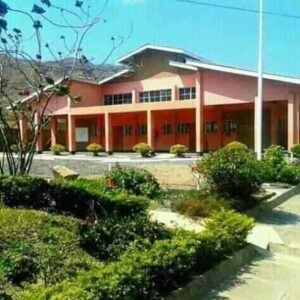
Ndirande Hill Secondary School
Top 10 city day schools are Ndirande Hill (Blantyre Urban, 17.47%), Chichiri (Blantyre Urban, 12.05%), Katoto (Mzuzu City, 10.08%), Bwaila (Lilongwe City, 10.07%), Zingwangwa (Blantyre Urban, 9.89%), Chinsapo (Lilongwe City, 9.79%), Luwinga (Mzuzu City, 9.37%), Chipasula (Lilongwe City, 8.20%), Bangwe (Blantyre Urban, 7.97%) and Mkwichi (Lilongwe City, 7.96%).
The bottom eight are Mbidzi Community (Lilongwe City, 1.16%), Likangala (Zomba Urban, 1.91%), Chibavi Community (Mzuzu City, 2.47%), Malindi (Zomba Urban, 5.17%), Mlodza Community (Lilongwe City, 5.32%), Njamba (Blantyre Urban, 6.24%), Soche Hill (Blantyre Urban, 6.86%) and Kabwabwa Community (Lilongwe City, 6.88%).
The top 10 district day schools are Bolero (Rumphi, 10.10%), Michesi (Phalombe, 9.57%), Bzyanzi (Dowa, 8.80%), Nsaru (Lilongwe West, 8.32%), St Francis (Mzimba South, 7.73%), Nansomba (Mulanje, 6.83%), Walemera (Nkhotakota, 6.68%), (Kasungu, 6.40%), Malimba (Chiradzulu, 6.48%) and Chiwale (Neno, 5.92%).
The bottom 10 are Mwasambo (Nkhotakota, 1.23%), Malombe (Mangochi, 1.38%), Matapwata (Thyolo, 1.87%), Lozi (Nkhotakota, 2.28%), Linthipe (Dedza, 2.44%), Chingale (Zomba Rural, 2.49%), Dzumila (Chikwawa, 2.62%), Mbenjere (Mangochi, 2.85%), Domasi Demonstration (Zomba Rural, 2.87%), and Chapananga (Chikwawa, 3.18%).
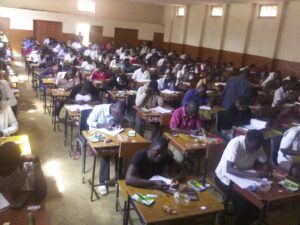
The top 10 community day schools are Old Salawe (Rumphi, 16.33%), Karonga CCAP Girls (Karonga, 15.28%), Chikhwaza (Mulanje, 15.15%), Kasoba (Karonga, 13.20%), Chinunkha (Chitipa, 10.89%), Lura (Rumphi, 10.64%), Nkhulambe (Phalombe, 10.61%), St Charles Lwanga (Balaka, 10.29%), Sanga (Nkhatabay, 10.17%) and Nkhoma (Lilongwe East, 9.81%).
The bottom 10 are Kalonga II (Lilongwe East, 0.00%), Kasonga (Zomba Rural, 7.69%), Nsambamwali (Blantyre Rural, 8.57%), Mlomba (Blantyre Rural, 10.00%), Mpumbe (Blantyre Rural, 12.50%), Namwanje (Blantyre Rural, 12.50%), Nankuyu (Machinga, 13.33%), Chinamvuu (Blantyre Rural, 13.33%), Chipyera (Likoma Island, 13.33%) and Namilembe (Nsanje, 14.63%).
The top 10 private schools are St Kizito Seminary (Dedza, 49.71%), Likulezi Catholic Boys (Phalombe, 49.00%), Marist (Dedza, 43.79%), St Patrick’s Seminary (Rumphi, 42.74%), Bakhita (Balaka, 39.17%), Chaminade Marianist (Lilongwe West, 38.12%), Lilongwe Islamic (Lilongwe West, 37.24%), Pius XII Seminary (Chiradzulu, 37.04%), Wasambo Boys High School (Karonga, 35.57%), Nankhunda Seminary (Zomba Rural, 33.62%).
The bottom 10 private schools are Greenfield Academy (Lilongwe West, 0.00%), Neesena (Thyolo, 0.00%), Joy (Mangochi, 0.00%), Vision Foundation (Lilongwe City, 0.00%), Lusolathu (Machinga, 0.00%), St Magnus (Thyolo, 8.33%), Ntonya (Blantyre Urban, 12.50%), Prema (Thyolo, 13.04%), Nkhande (Machinga, 13.16%) and Ajemson (Lilongwe City, 14.29%).

Advertisement
The top 10 subjects based on proportion of distinctions in descending order are Religious & Moral Education (42.56%), Additional Mathematics (32.57%), Bible Knowledge (28.34%), Computer Studies (26.57%), Technical Drawing (19.44%), Home Economics (16.77%), French (13.91%) Chemistry (9.46%) Mathematics (7.36%) and Geography (6.58%).
The bottom 10 subjects are Metalwork (0.00%), Creative Arts (0.00%), Chichewa (0.10%), Biology (0.52%), Clothing and Textiles (0.67%), English (1.24%), Physics (1.87%), Social & Life Skills (3.15%), History (4.11%) and Agriculture (4.12%).
Candidates are awarded the MSCE if they obtain a pass in six subjects including English, with a credit pass in at least one of them — or obtain a pass in five subjects including English, with a credit pass in at least three of them.
MANEB state that the results can be accessed online with examination centres through their e-Registration Portal which will be available in downloadable PDF documents for the schools.
Individual candidates or their parent/guardian will access results on the MANEB Examination Results Portal available on https://maneb.malawi265.com/examresults/.
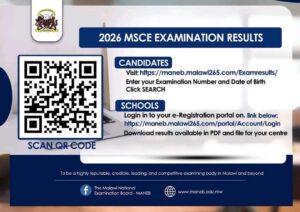
“To ensure security, a candidate’s results will be retrieved using the correct examination number and date of birth.
“All candidates wishing to query their 2026 MSCE results should do so in writing through the heads of schools where they registered for the examinations,” says Nampota, adding that all queries should reach MANEB by October 8, 2026.
“After this date no further queries will be accepted. All candidates wishing to re-mark their MSCE results should collect and fill forms from their respective schools.”

Advertisement