* To journalists in Malawi, my message is one of respect and solidarity. Your work matters. Your independence matters. And your safety matters
* On this World Press Freedom Day, let us commit — together — to ensuring that Malawi’s media remains free, pluralistic and resilient, for the benefit of all Malawians
By Leigh Stubblefield, British High Commissioner to Malawi
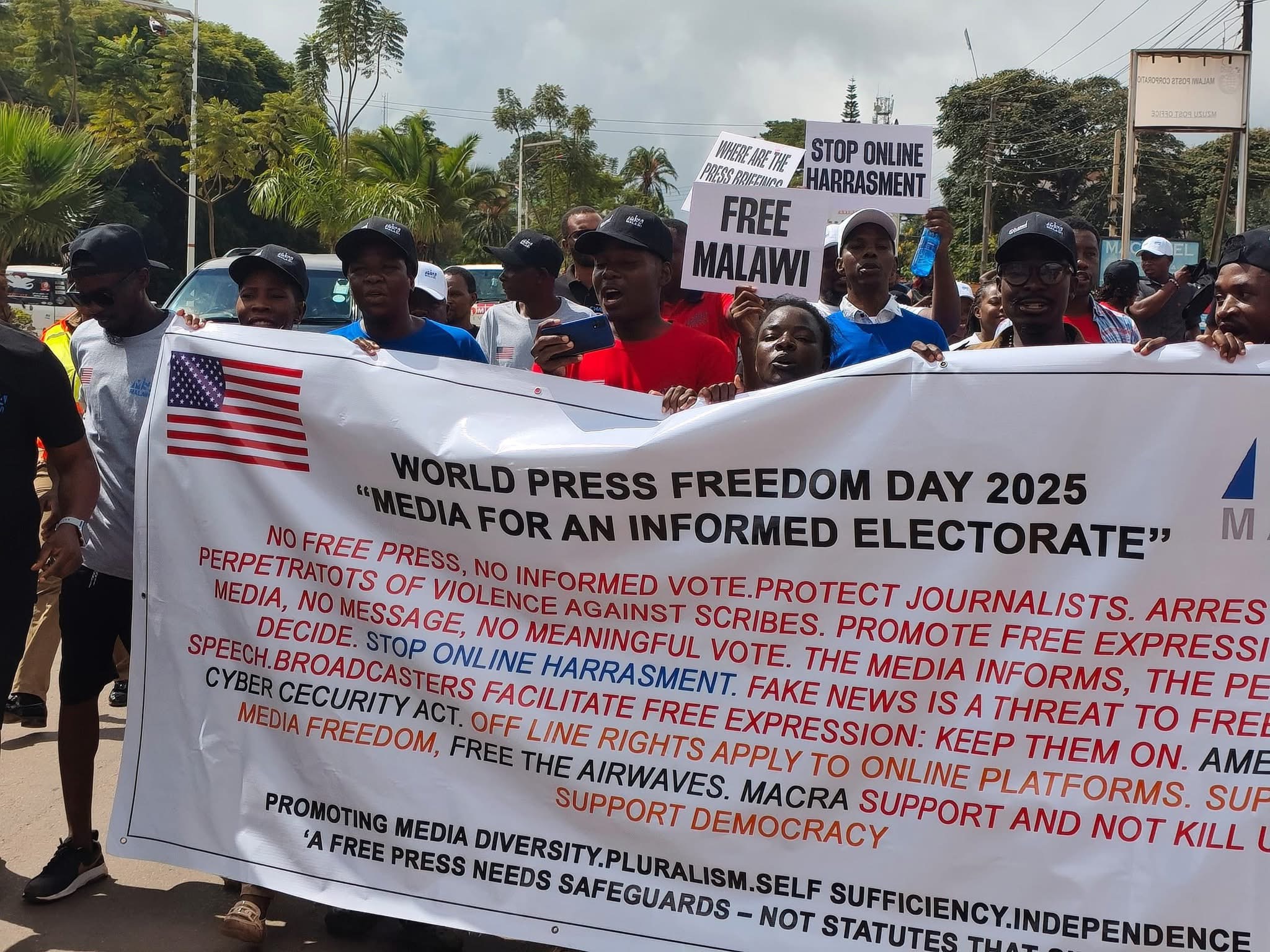
World Press Freedom Day, marked globally on May 3, comes at a time when peace, accountability and trust in institutions feel increasingly fragile. In such moments, the role of a free, independent and pluralistic media is not optional — it is essential.
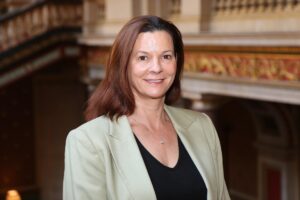
Leigh Stubblefield
As I return to Malawi after almost 20 years, I am struck by the many Malawian journalists who, as a profession, continue to demonstrate courage and deep sense of public service. This is my first conversation with you, though, on safeguarding media freedom in Malawi — both to mark World Press Freedom Day, and to recognise your role in Malawi’s democracy.
It is also an opportunity to affirm the United Kingdom’s support for media freedom.
It is clear to see the real progress Malawi has made and can be rightly proud of. Most notably, the decriminalisation of defamation in July 2025 — a landmark step forward. The High Court’s decision to strike down Section 200 of the Penal Code removed a long‑standing threat that had a chilling effect on journalism and public debate, replacing fear of imprisonment with proportionate civil remedies.
This reform aligned Malawi with regional and international human rights standards and strengthened constitutional safeguards for freedom of expression.
Yet progress has not been linear — and it remains fragile.

Advertisement
Independent assessments continue to highlight political influence over the media, economic pressures that undermine editorial independence, and threats and online intimidation campaigns targeting reporters; especially those covering politics and corruption.
Journalists in Malawi still operate in an environment where intimidation, legal uncertainty and financial vulnerability can quietly distort what is published — or discourage stories from being pursued at all.
These tensions matter. Media freedom is not only about journalists; it is about the public’s right to know. People must be able to discuss and debate issues freely, to challenge those in power, and to make informed decisions based on accurate information.
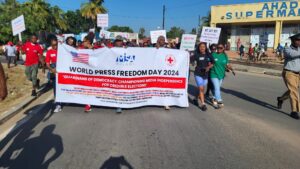
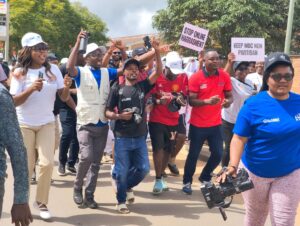
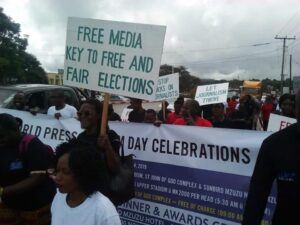
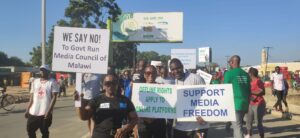
Where journalists fear reprisal, whole societies lose clarity, trust and accountability. This is why World Press Freedom Day matters — not as a ceremony, but as a moment of recommitment.
Later this week, many of Malawi’s journalists will gather in Salima to mark World Press Freedom Day and to elect new leadership for the Media Institute of Southern Africa (MISA) Malawi Chapter. I wish all candidates and members a successful, transparent and unifying process.
The United Kingdom believes that media freedom underpins democratic resilience, peace and development. That is why the UK is a founding and active member of the Media Freedom Coalition, a partnership of 51 countries working with journalists, civil society and international organisations to protect press freedom and the safety of media workers.
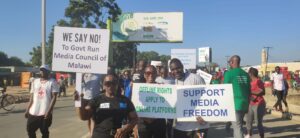
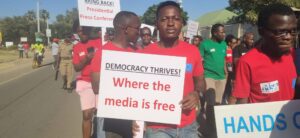
Through this coalition — and through our bilateral engagement — the UK remains committed to:
* supporting legal and policy environments that protect freedom of expression;
* strengthening journalist safety, including in digital spaces; and
* investing in professional, ethical and sustainable journalism.
Here in Malawi, the UK stands ready to continue working with partners such as MISA Malawi, media houses, training institutions and civil society to support capacity building, investigative journalism, fellowships and exchanges that strengthen professional standards and independence.
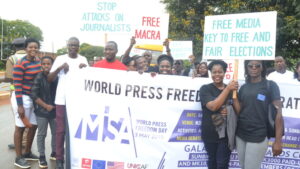
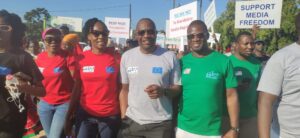
To all of us, my message is simple: protect the progress Malawi has made. Safeguard judicial gains, ensure laws are applied proportionately, and hold perpetrators of intimidation or violence against journalists accountable. Media freedom is not a threat to governance – it is one of its strongest safeguards.
To journalists, my message is one of respect and solidarity. Your work matters. Your independence matters. And your safety matters.
On this World Press Freedom Day, let us commit — together — to ensuring that Malawi’s media remains free, pluralistic and resilient, for the benefit of all Malawians.
* Editor’s Note:
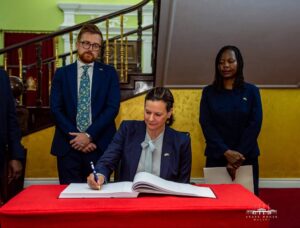
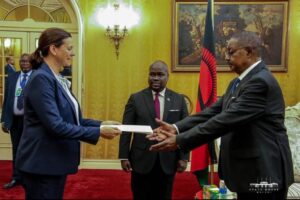
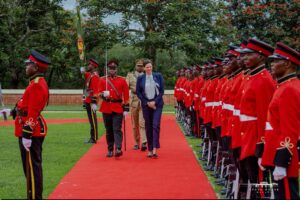
Leigh Stubblefield was-appointed-as-the-British-High-Commissioner-to-Malawi/ in October 2025, whose previous international postings included Malawi. She succeeded Fiona Ritchie, who concluded her tour of duty in July 2025.