
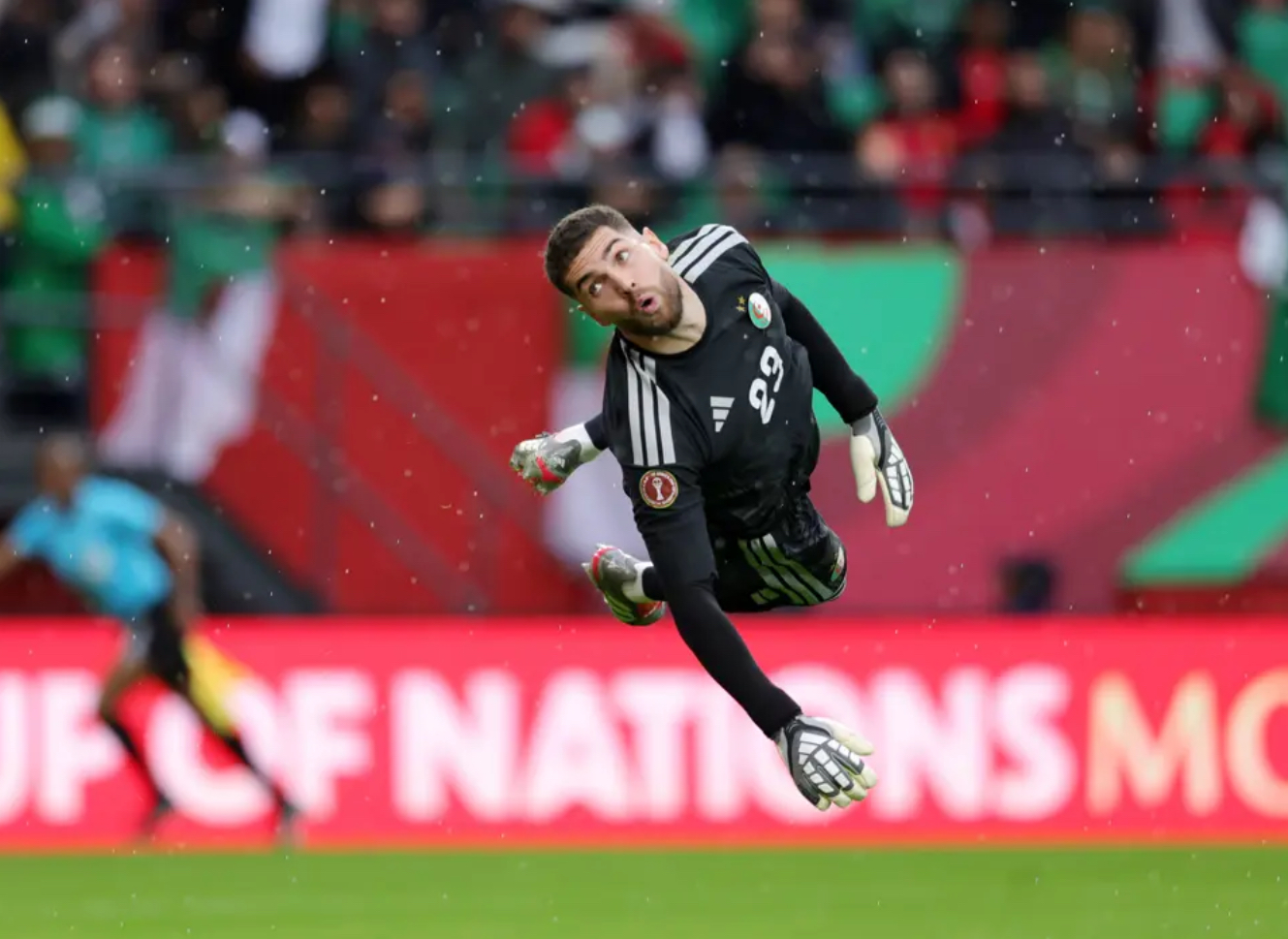
* “My grandfather encouraged me to play for Algeria. He wanted me to be proud of my origins, and I wanted to honour him
* “My father told me to make my choice and to do it with conviction”. That strong family bond has seen him proudly wear the Fennecs jersey
Maravi Express
A new star is born at the Africa Cup of Nations (AfCON) Morocco 2025 — former France legendary playmaker, Zinedine Zidane’s son, Luca Zidane, who is Algeria’s new goalkeeper having impressed on Wednesday night when the North Africans beat Sudan 3-0 in their opening match and he looks for further exploits in their next match this evening against Burkina Faso (19h30).

Advertisement
On Wednesday night in Rabat, Algeria brought an end to a six-year wait for victory at the AfCON, opening their Morocco 2025 campaign in style with the commanding 3–0 win over Sudan.
It was a memorable evening on many levels — Riyad Mahrez etched his name deeper into the history books, scoring a brace to become Algeria’s all-time leading goalscorer at the AFCON finals with eight goals.
Substitute Ibrahim Maza added further sparkle, finding the net to become the youngest Algerian scorer in the competition’s history at just 20 years and 30 days.
Yet amid the attacking fireworks, one name stood out quietly but decisively — Luca Zidane, who is making his AfCON debut and the goalkeeper marked the occasion with a clean sheet that will long be remembered.

A perfect start between the sticks
At the Moulay El Hassan Stadium, one of the defining aspects of the match was not only Algeria’s goals, but a goalmouth that remained firmly protected. Handed the responsibility between the sticks, Zidane enjoyed a dream debut, keeping his goal intact in the convincing win over Sudan.
Despite a handful of probing moments from the opposition, the 27-year-old Granada goalkeeper displayed composure and authority, delivering a calm and reassuring performance throughout the contest.
Head coach Vladimir Petković was quick to praise his goalkeeper’s impact: “Zidane gave the team a real sense of security and played well with his feet, despite it being one of his first matches with the national team.”
Shielded by a back four rich in experience, including Rayan Aït-Nouri and Ramy Bensebaini, Zidane emerged as a solid reference point at the back. From his very first appearance at the tournament, it was clear he was not there by chance.

A strong, conscious choice: Algeria first
Zidane’s international journey could easily have taken a different path. Having represented France at youth level, he ultimately made a deeply personal, family-driven decision to commit his future to Algeria.
Central to that choice was the influence of his grandfather, who encouraged him to embrace his roots: “My grandfather encouraged me to play for Algeria. He wanted me to be proud of my origins, and I wanted to honour him.
“My father told me to make my choice and to do it with conviction,” Zidane explained in an interview with CAFonline.
That strong family bond has seen him proudly wear the Fennecs jersey, with the name Zidane on his back. Present in the stands in Rabat for his AFCON debut was his father, Zinedine Zidane, the 1998 FIFA World Cup winner with France and an iconic figure of the global game.
The former Real Madrid title-winning coach received warm applause each time he appeared on the stadium’s giant screens — moments that did little to distract his son.
“It’s really nice that he came with my brother,” Luca said. “I’ve always had my family’s support, and seeing them here at AfCON gives me even more strength to defend Algeria’s colours.”

Zinedine with CAF president Patrice Motsepe during Algeria’s match against Sudan
From the shadows to the spotlight: A new era in goal
Zidane’s arrival comes at a time of transition for Algerian football. After two AfCON editions without a single win or progression beyond the group stage, in 2021 and 2023, Les Fennecs were eager to rediscover their identity and defensive solidity.
The goalkeeper’s role in Algeria has long been associated with iconic figures. Rais M’Bolhi, in particular, embodied the position for many years, delivering heroic performances on the biggest stages, notably at the 2014 FIFA World Cup and in previous continental campaigns.
Today, it is Zidane stepping into that legacy, bringing his own interpretation of the role: calm under pressure, authoritative in organization, and comfortable building play from the back.
This clean sheet against Sudan was no accident. It was the result of careful preparation, deliberate career choices, and a clear determination to succeed in one of football’s most demanding positions.
Maintaining the momentum
After a convincing opening victory and a memorable clean sheet, Zidane and Algeria must now quickly turn their focus to the next challenge — Burkina Faso today in Rabat.
The Burkinabè arrive full of confidence after a thrilling 2–1 victory over Equatorial Guinea on Matchday One and will offer no favours — but for the Fennecs, the objective is clear; confirm their revival, maintain the defensive stability introduced by Zidane, and continue building on a blend of experience and youth that has finally ended a long AFCON winless run.
Zinedine Yazid Zidane was born on June 23, 1972 in La Castellane Marseille in southern France — , a youngest of five siblings born to Algerian parents Smaïl and Malika, who had immigrated to Paris from the village of Aguemoune in before the start of the Algerian War.
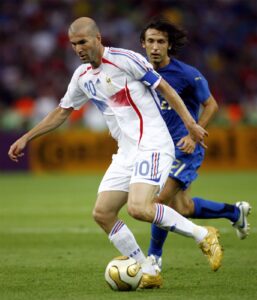
Zizou
Popularly known as Zizou, he played as an attacking midfielder and is widely regarded as one of the greatest players of all time, renowned for his elegance, vision, passing, and ball control.
He received many individual accolades as a player, including being named FIFA World Player of the Year in 1998, 2000 and 2003, and winning the 1998 Ballon d’Or.
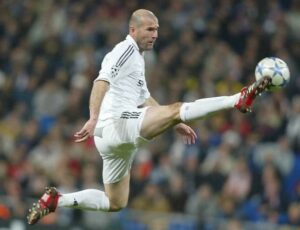
Capped 108 times by France, Zidane won the 1998 FIFA World Cup, scoring a brace in the final against Brazil and was named in the All-Star team. This triumph made him a national hero in France and he received the Legion of Honour in 1998.
He won UEFA Euro 2000 and was named Player of the Tournament. He also received the Golden Ballas Player of the Tournament at the 2006 World Cup, despite his infamous sending off in the final against Italy for head butting Marco Materazzi in the chest. He retired as the fourth-most capped player in French history.
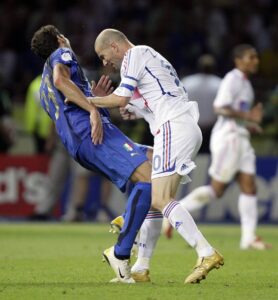
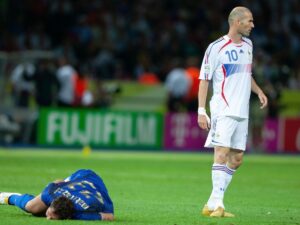
In 2004, he was named in the FIFA 100, a list of the world’s greatest living players compiled by Pelé, and in the same year was named the best European footballer of the past 50 years in the UEFA Golden Jubilee Poll.
Zidane is one of 10 players to have won the FIFA World Cup, the Champions League, and the Ballon d’Or. He was the ambassador for Qatar’s successful bid to stage the 2022 FIFA World Cup, the first Arab country to host the tournament.
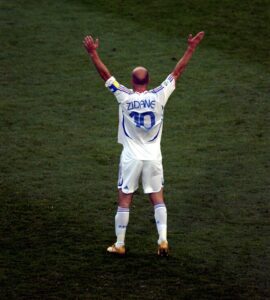
After retiring as a player, Zidane began his coaching career at Real Madrid Castillo for two years, before managing the first team in 2016. In his initial three seasons, Zidane became the first coach to win the Champions League three times in a row.
He also won the UEFA Super Cup and FIFA Club World Cup twice each, as well as a La Liga title and a Supercopa de España. This success led to Zidane being named Best FIFA Men’s Coach in 2017.
He resigned in 2018, but returned to the club in 2019, and won another La Liga title and a Supercopa de España, before leaving again in 2021.—Reporting by CAFonline, Zinedine Zidane background by Wikipedia; edited by Duncan Mlanjira, Maravi Express


Advertisement