
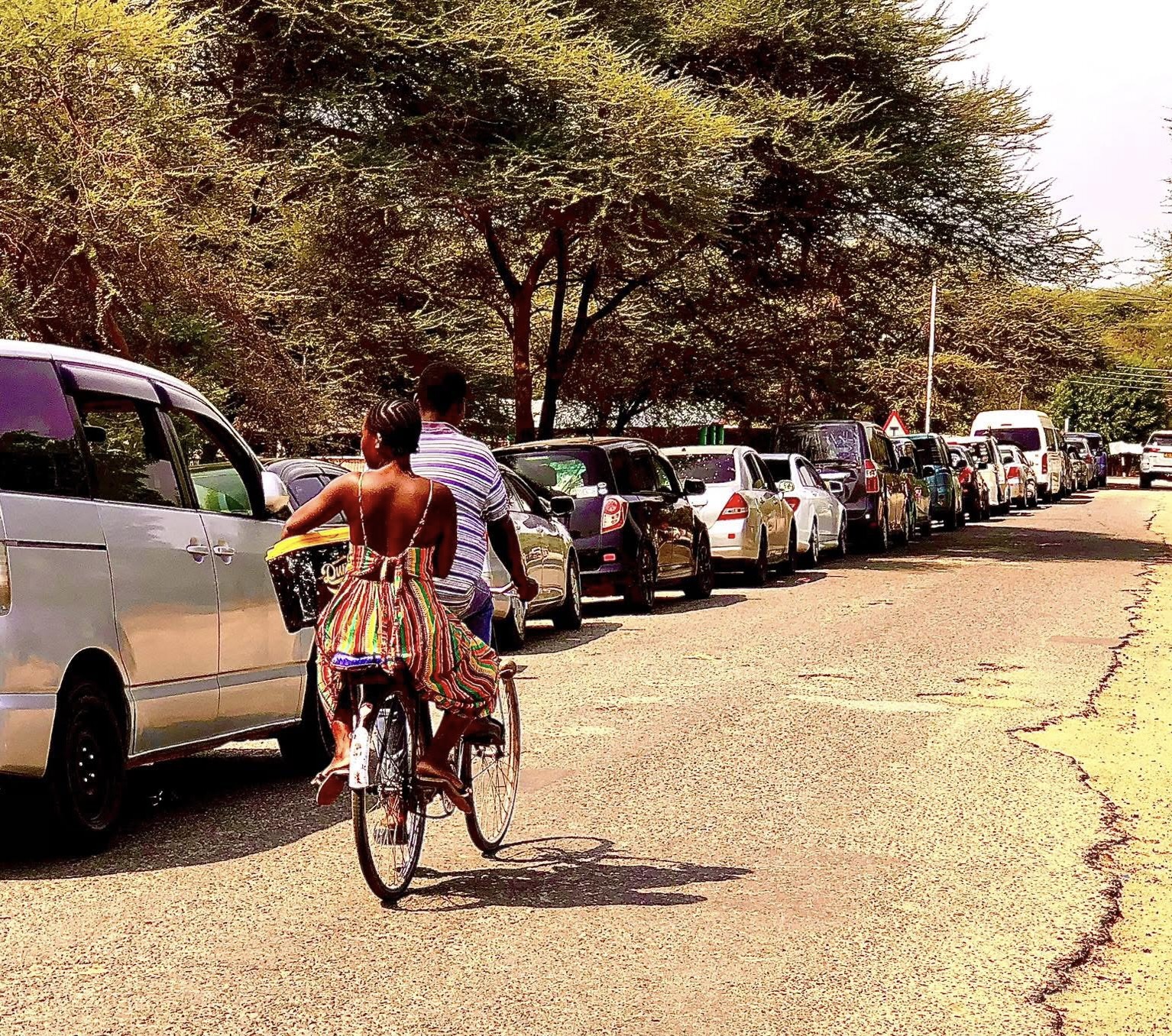
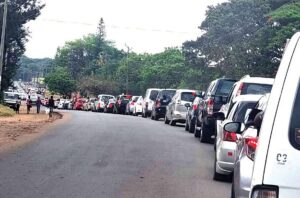
Abnormal long queues that are order of the day
* Malawi does not necessarily lack people with the knowledge, experience, networks and financial capacity to help solve this problem
* What may be missing is an effective mechanism for bringing these resources together and turning them into practical solutions
By Duncan Mlanjira
As the country continues to experience the abnormal prolonged fuel scarcity, with apparently no tangible solution in sight, President Arthur Peter Mutharika has been asked to consider establishing a private sector fuel crisis task force to help resolve the fierce-biting economic situation.
Currently, as indicated by the Ministry of Energy in a press statement, the situation is being managed as business-as-usual by the Government, Malawi Energy Regulatory Authority (MERA), the National Oil Company of Malawi (NOCMA), Petroleum Importers Limited (PIL) and the Reserve Bank of Malawi (RBM).
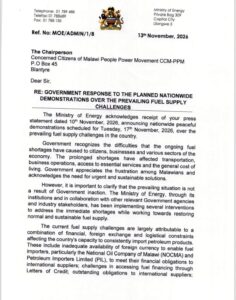
Screenshot
Writing on his Facebook page, UK-based Malawian, Rhodrick Junaid Kalumpha, maintains that the Government “should urgently consider bringing together some of the country’s most successful business leaders, financial experts, economists, industry captains and the diaspora to help resolve the fuel crisis”.
“Malawi does not necessarily lack people with the knowledge, experience, networks and financial capacity to help solve this problem,” he says.
“What may be missing is an effective mechanism for bringing these resources together and turning them into practical solutions.
Who should be involved in the ‘National Economic Rescue Partnership’
Kalumpha highlights that the Government should deliberately invite experienced people from:
* Banking and financial services: To develop innovative ways of mobilising foreign exchange and securing international fuel financing;
* Oil and petroleum industry: People who understand international fuel markets, procurement, shipping, storage and distribution;
* Manufacturing and industry: Business leaders who understand the economic consequences of fuel shortages;
* Transport and logistics: Experts who can identify cheaper and more reliable fuel transportation routes;
* Mining and agriculture: Major foreign exchange earners who could contribute to a broader strategy for improving Malawi’s foreign exchange position; and
* International business community and diaspora: Malawians and international investors with connections to global petroleum suppliers and financial institutions.

UK-based Rhodrick Junaid Kalumpha
What exactly can these business gurus do?
He suggests five specific assignments:
* Fuel financing: Develop innovative financing arrangements with international banks and suppliers;
* Fuel procurement: Identify reliable international suppliers and negotiate competitive prices;
* Foreign exchange: Develop strategies to increase forex inflows and improve access to fuel-import financing;
* Private sector participation: Explore ways qualified private companies can participate in fuel importation;
* Strategic reserves: Develop sustainable mechanisms for maintaining adequate national fuel reserves.
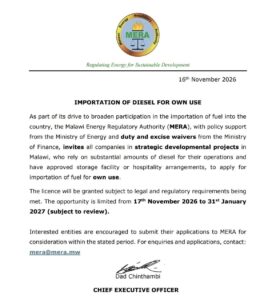
MERA issued a statement on Monday, November 16, that as part of its drive to broaden participation in the importation of fuel, it invites all companies in strategic developmental projects who rely on substantial amounts of diesel for the operations and have approved storage facilities or hospitality arrangements, to apply for importation of fuel for its own use.
Kalumpha, however, suggests that the Government should most importantly consider opening up the fuel importation market that “should examine whether qualified private companies with sufficient financial capacity can be licensed to import fuel under a properly regulated framework”.
He highlights that the government would retain responsibility for quality standards; safety regulations; import licensing; strategic fuel reserves; consumer protection; and fair & transparent competition.
“This would reduce excessive dependence on a limited number of procurement channels,” says Kalumpha, while also taking cognizance that the call for greater private-sector participation has already been raised by Consumers Association of Malawi (CAMA) Executive Director, John Kapito.

Advertisement
He also suggests the establishment of a 30-day emergency business-government intervention programme — proposing the following:
* First 7 days: identify and invite 15–20 respected business leaders and technical experts; establish the major financial, procurement and logistical bottlenecks; and engage international fuel suppliers.
Days 8-15: develop alternative fuel financing arrangements; identify potential international investors and suppliers; explore additional importation and transportation arrangements.
Days 16-30: present actionable recommendations to the President; begin implementing approved emergency interventions; and establish a longer-term national fuel security strategy.
“The task force should operate with clear deliverables, timelines and accountability,” he says, adding that there is already a reason to consider this approach as alluded to by former Vice-President Michael Usi in his address on Monday.
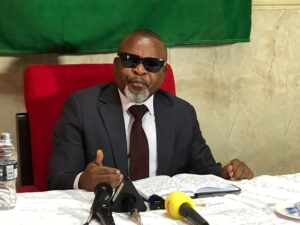
Former Vice-President Michael Usi addressing the nation on Monday
Usi is reported to have offered to bring together local and international experts to assist the government in addressing the fuel crisis.
“Usi’s proposal reinforces the importance of mobilising expertise beyond government institutions. Furthermore, the government’s 2026 Economic and Fiscal Policy Statement already recognises the importance of diversifying fuel importers, expanding storage capacity and improving access to regional ports.
“These are areas where private-sector expertise could make a practical difference.”
Kalumpha’s bigger recommendation of a ‘National Economic Rescue Partnership’, should go beyond simply inviting business gurus to discuss the fuel crisis but as a formal partnership.
This should be between the Presidency; Ministry of Energy; Ministry of Finance; RBM; MERA & NOCMA); Malawi’s leading business executives; commercial banks; international financial & petroleum experts; and the diaspora community.
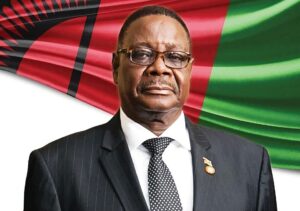
President Arthur Peter Mutharika
“The partnership could initially focus on fuel but eventually address foreign exchange shortages, electricity, industrialisation, exports and economic recovery.
“One important principle: Government must be willing to listen, share relevant information, remove unnecessary bureaucratic barriers and implement good recommendations.
“Business leaders must also be prepared to contribute expertise, networks and investment under transparent arrangements.”
In conclusion; Kalumpha says the country’s economic authorities should “not approach every national economic crisis as though government has to solve everything alone”.
“The private sector has financial resources, international connections, commercial experience and technical expertise that can complement government capacity.
“The question should no longer be whether government can solve the fuel crisis alone, but how government can mobilise the best available Malawian and international minds to solve it together.
“A national crisis requires a national response. We are in this together,” says Kalumpha.
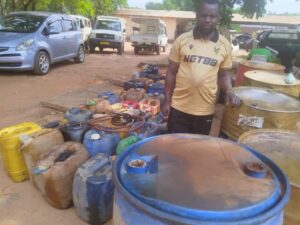
The fuel crisis is leading to a thriving black market
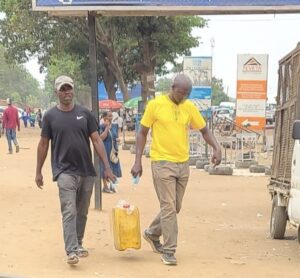
In response to the post, Kusa Bwanausi applauded Kalumpha for his well-thought plan and the effort that was put to address this crisis.
“The plan is well structured and practical,” he said. “In my view, for it to succeed, the task force should be backed by law, with a clear mandate, a fixed term, reporting obligations, and a requirement that government respond to its recommendations within a set timeframe.
“Otherwise it risks becoming another advisory body, and Malawi cannot afford that during a fuel crisis. The Malawi administration, will earn kudos for embracing a citizen’s driven effort to resolve this debilitating crisis. The ball is in the government’s court!”

Advertisement