* At Standard Bank we don’t simply view creative industries as a passion sector but as a major contributor to GDP, employment, tourism, digital innovation and international trade—Chief Executive, Phillip Madinga
Feature by Barbara Mwandira, Malawi News Agency (MANA)
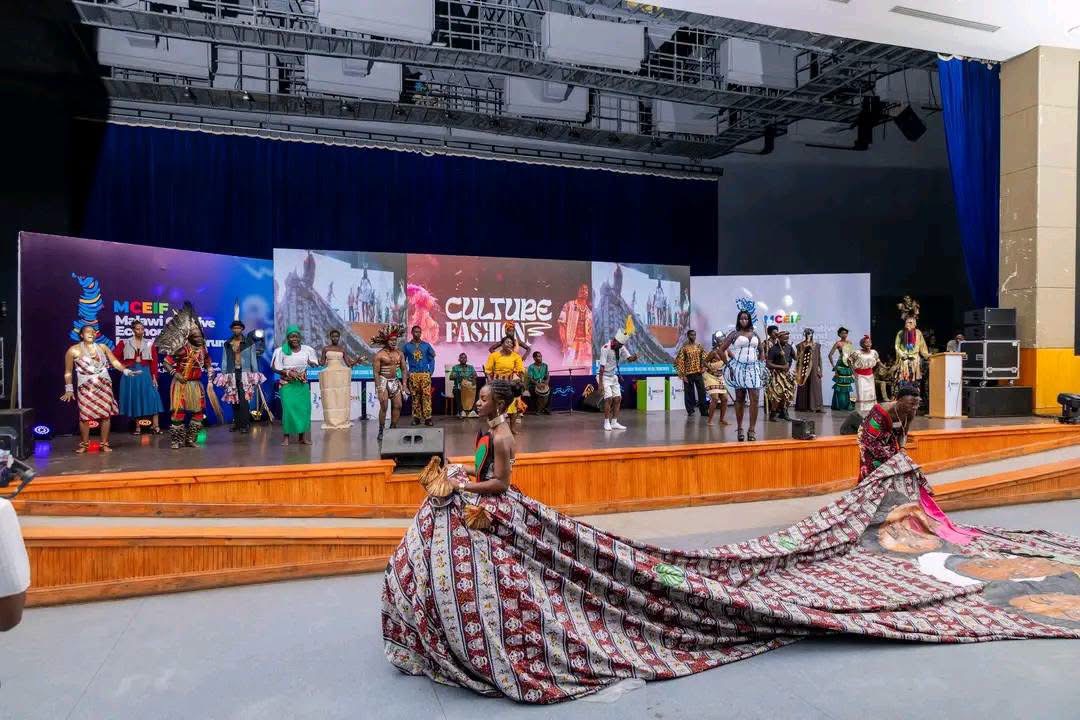
The three-day 2026 Malawi Creative Economy and Investment Forum held at the Bingu International Convention Centre (BICC) in Lilongwe marked gradual transition within Malawi’s creative industries.

Advertisement
It was an event that deliberately, legally and thoughtfully, moved the focus from purely artistic creation to the generation of income from creative pursuits.
By the time the sun rose on Thursday, November 26, 2026, the BICC was already humming. Coffee cups in hand, filmmakers rubbed shoulders with musicians, as fashion designers traded stories with visual artists, and business cards changed hands.
But to an attentive listener, beyond the laughter and the small talk, there was something else in the air — an eagerness to learn.
Among the early arrivals was musician Melody Mijoya, moving through the crowd with the wide-eyed energy of someone who knows she’s exactly where she needs to be.
“This forum is a dream come true for me as an artist,” she said, barely able to hide her smile. “I plan to take every skill I learn here and use it to grow my music and, hopefully, inspire other young creatives back home.”
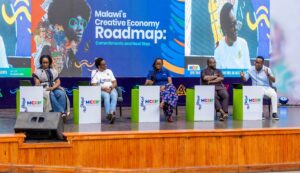
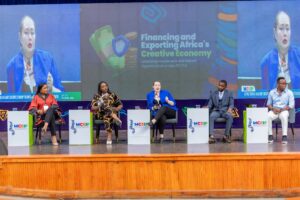
The discussions and panels highlighted that raw talent needs to be supplemented by knowledge and skills, hence sessions focused on skill improvement and aimed to elevate standards in order to enable creative professionals establish and maintain viable careers within Malawi’s burgeoning creative industries.
Appropriately, the day commenced with evidence presentation by Professor Titilayo alongside Robert Kapyepye, Chifwayi Chirambo and Dr. Khaya Tyatya, presented on ‘Evidence for action: key findings and recommendations for Malawi’s creative industries’.
This underpinned the agenda of the forum and allowed Malawian stakeholders to then engage in facilitated deliberation.
Continental perspectives were also brought in as Mulekeni Ngulube facilitated a panel discussion which included Humphrey Mpondaminga, Chikondi Banda and Madeline Lambert.
The topic, ‘Building competitive creative industries: African policy and ecosystem lessons’, covered policy, human resource, market and export aspects.
One of the most informative sessions of the day was a virtual masterclass on intellectual property and the creative industries, facilitated by Professor Titilayo and Chifwayi Chirambo.
The topics included copyright; licensing and ownership; information on royalties; and numerous IP choices which can lead to, or fail to lead to, financial reward for artists.
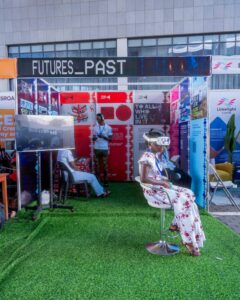
From Malawi’s own film sector, experienced film maker, Ezaius Mkandawire, took to the stage and encouraged the creatives to view their films as projects.
Mkandawire outlined the process in film making from production to post-production and distribution, emphasising on the need to have good project management, including organisation, time management, finance and resource procurement.
“These elements provide a supportive environment within which creativity can flourish,” said Mkandawire.
Within the film bootcamp, another household name, Maneno Mtawali provided expert tuition on film editing, colour and audio enhancement so as to further evoke feeling within visual media.
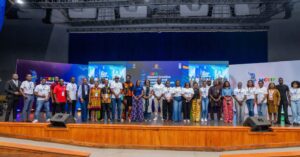
Across the hall, Maurice Otieno, creative economy and media ecosystems leader from Nairobi, Kenya, guided the group into the jungle of creative entrepreneurship and discussed how often individual and ad hoc creative endeavours can be adapted so they become commercially successful and sustainable.
”We need to consider both incoming and outgoing funds: Who is funding our content?” said Otieno, who is also former Baraza Media Lab Executive Director.
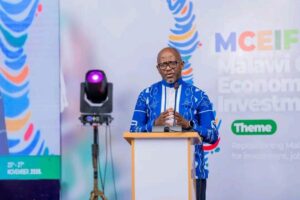
Standard Bank, proud sponsor of the Malawi Creatives Economic & Investment Forum remained the happiest saying funding creatives improves and exposes strong talent such as music, fashion, design, arts film, creating sustainable jobs and foreign exchange.
”At Standard Bank, we don’t simply view creative industries as a passion sector but as a major contributor to GDP, employment, tourism, digital innovation and international trade,” said Chief Executive, Phillip Madinga.
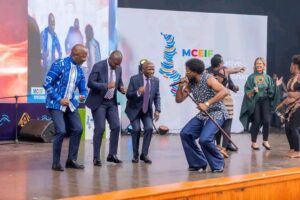
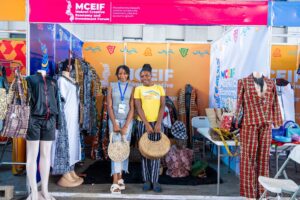
In fashion, the facilitators explored connections between culture and making money, through a presentation; ‘Origins of Malawi’s Cultural Identity Through the Lens of Fashion and Crafts’.
Zikani Nyirenda, supported by Linda Mutamia from Lilongwe University of Agriculture & Natural Resources (LUANAR), captured the creatives by taking them through the balance of promoting cultural interests whilst maintaining a balance of sourcing revenue.
Lily Alfonso, a renowned award winning stylist, analysed how creatives can take fashion and crafts through the international market, while Aaron Khombe, Director of Museums and Monuments, reflected on improving the fashion and crafts industry whilst maintaining the Malawi cultural heritage.
Creatives analysed ways in which local fashion and crafts professionals could enhance the value, profile and marketability of their products, drawing upon cultural elements and also embracing innovation.
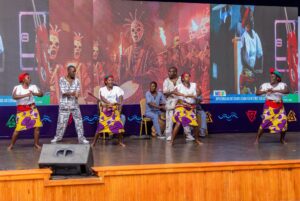

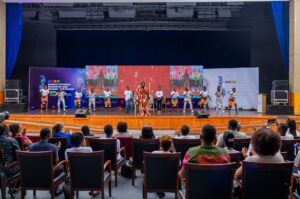
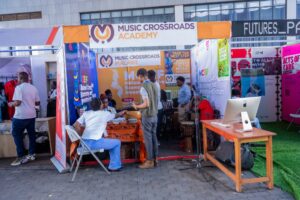
Those in music profession had a lot to learn from facilitator Phil Chard’s two-part workshop: ‘Distribution and release readiness’, in which he tipped musicians on how to select a suitable distributor and analyse a distribution agreement.
The music enthusiasts also learned from Chard how to prepare their own distribution, including information relating to product, credits, timing and royalties.
Besides gaining knowledge on distribution, attention was also given to fundamental aspects of quality, including mono and stereo sound, and the impact of these on music listening and distribution.

Advertisement
The second workshop part, ‘Campaign Build and Monetisation’, analysed how to construct a campaign incorporating release, content, press and playlist promotion as well as audience data, and additional revenue streams.
Consistently, throughout the sessions lessons came out strongly among the artists: avoid arbitrary song releases and, instead, formulate well-structured release programmes; promotion is vital; structure, not improvisation, should be used to successfully disseminate work and, thus, allow for longer-term careers.
Over and above all lessons, one stood out among the artists: engage, and analyse the target audience in every art or creative work.
These, and more, were lessons that artists like Melody Mijoya took home as the 2026 Malawi Creative Economy and Investment Forum concluded on Friday, November 27, 2026.