
* District Council committed to improving sanitation in the town as it recently acquired a refuse collection truck which collects waste from the market three times a week
* However, the market’s vendors expressed concern over low participation by some business owners in community cleaning exercises as some only send their employees instead of personally taking part
* Meanwhile, the Council Karonga District has intensified efforts to strengthen its preparedness and response systems for public health emergencies
* Amid concerns over the risk of cross-border disease outbreaks due to its proximity to neighbouring countries
By Chamberlain Nyirenda & George Mponda, Malawi News Agency (MANA)
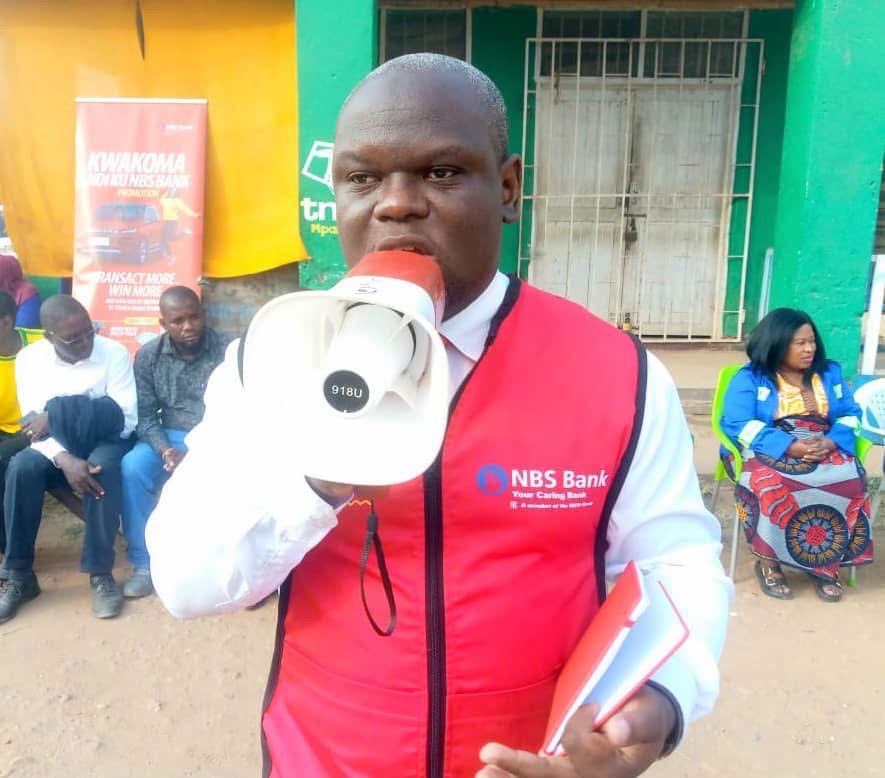
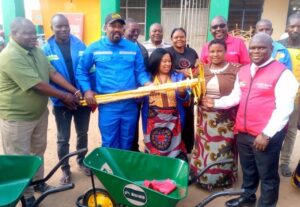
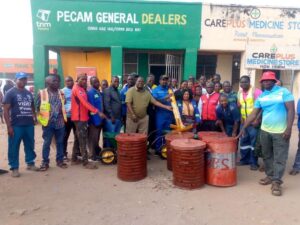
NBS Bank has supported efforts to improve sanitation at Karonga Main Market by investing cleaning equipment and waste bins to strengthen waste management and promote a cleaner trading environment.

Advertisement
The donation, made on Monday, is expected to help Karonga Town Council and market vendors maintain hygiene standards and reduce risks associated with poor waste disposal.
In his vote of thanks, Karonga Town Council chairperson, Baleke Maholo commended NBS Bank for responding positively to the their request for support and partnering in efforts to keep the town clean.
“The investment from NBS Bank will help us prevent the outbreak of diseases that can arise from unhygienic conditions at the market,” Maholo said. “We are grateful that they have partnered with us in promoting a cleaner and healthier trading environment.”
The council chairperson added that they remain committed to improving sanitation in the town, adding that it recently acquired a refuse collection truck which collects waste from the market three times a week.

He, however, urged vendors to take responsibility for maintaining cleanliness by properly disposing of waste and actively participating in sanitation activities.
On his part, the market’s vendors’ chairperson, Godwin Ghambi, appealed to other corporate institutions and well-wishers to emulate NBS Bank by supporting the council in improving sanitation at the market.
“The Town Council is still young and has limited resources,” said Ghambi. “As vendors, we are appealing to other banks and companies to partner with the council by providing cleaning equipment and other support to ensure that our market remains clean.”
Ghambi also expressed concern over low participation by some business owners in community cleaning exercises, saying: “Some shop owners only send their employees to participate in cleaning activities instead of taking part themselves.
“We will engage them so that they can lead by example and encourage others to take responsibility for keeping the market clean,” he said.

Advertisement
Meanwhile, Karonga District has intensified efforts to strengthen its preparedness and response systems for public health emergencies amid concerns over the risk of cross-border disease outbreaks due to its proximity to neighbouring countries.
The district has started a five-day training on Public Health Emergency Operations Centre (PHEOC) operations aimed at improving coordination, communication and decision-making during disease outbreaks and other health emergencies.
The training, organised by the Ministry of Health & Sanitation through the Public Health Institute of Malawi (PHIM), with support from Jhpiego, has brought together health workers and officers from different sectors to enhance emergency response capacity.
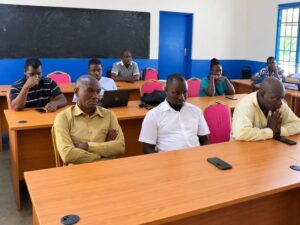
At the opening of the training on Monday, Council Director of Health & Sanitation, David Sibale said the district’s position as a border area requires strong preparedness mechanisms to prevent and respond to public health threats.
“Karonga receives people from neighbouring countries every day, making us vulnerable to cross-border disease outbreaks,” he said. “This training is, therefore, important because effective coordination among all stakeholders enables us to detect, communicate and respond to emergencies in good time.”

He said strengthening collaboration among stakeholders is critical in ensuring that potential health threats are identified and addressed before they escalate.
Principal Epidemiology Officer at PHIM, James Jere, said the Ministry is strengthening district emergency operations centres to ensure that districts are better prepared to manage outbreaks and other public health emergencies.
Jere said effective emergency operations centres improve communication, resource mobilisation and timely decision-making, thereby reducing the impact of emergencies on communities.
“This training is expected to enhance the district’s emergency preparedness and response systems in line with Malawi’s efforts to strengthen health security,” he said.—Editing by Maravi Express

Advertisement