
* One of the most important potential contributions of the newly-launched Africa Credit Rating Agency (AfCRA) should address the significant number of African countries that currently do not have an active sovereign credit rating from the major international rating agencies
* Malawi is particularly relevant to this discussion because it does not currently have an actively maintained sovereign rating from the major global credit rating agencies
By Duncan Mlanjira
In welcoming the launch of the Africa Credit Rating Agency (AfCRA), South Africa’s Don Consultancy Group (DCG) contends that one of its most important potential contributions should be to address the significant number of African countries that currently do not have an active sovereign credit rating from the major international rating agencies.

Advertisement
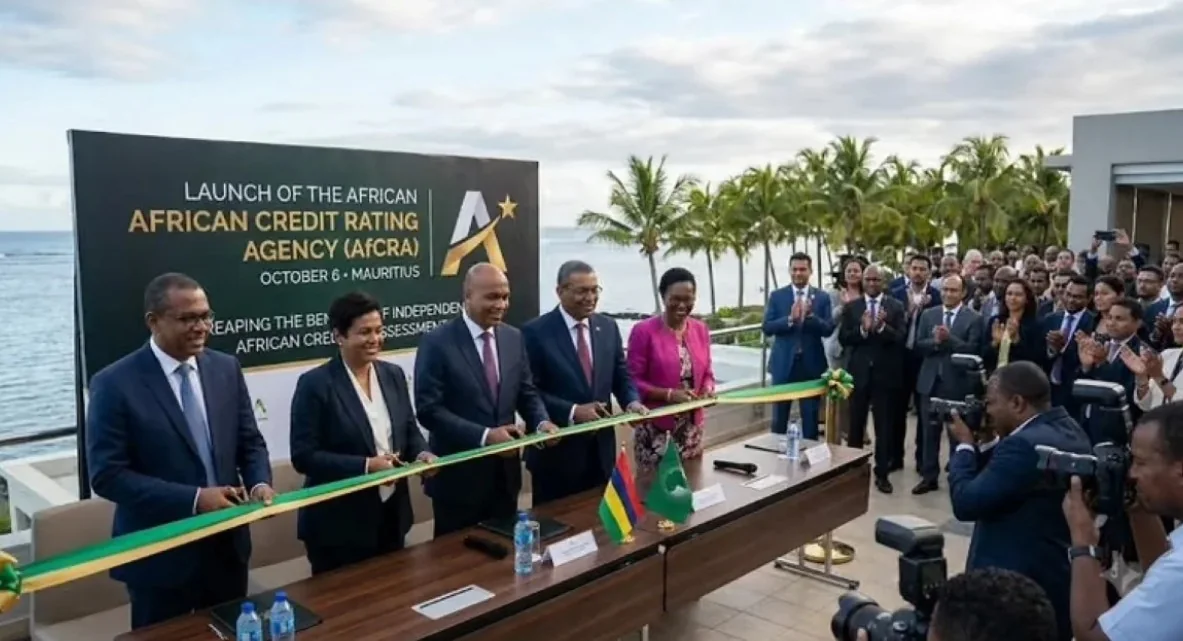
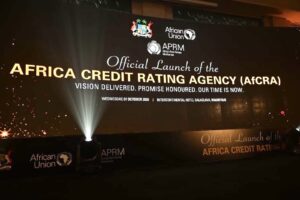
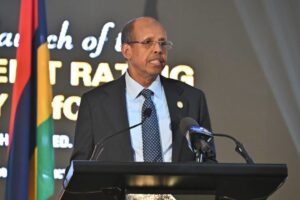
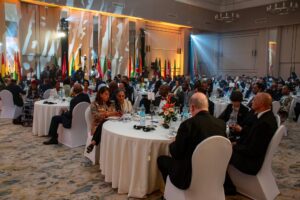
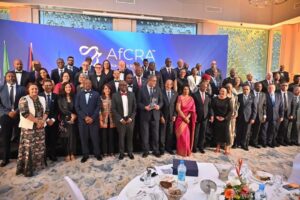
The AfCRA was launched in Port Louis, Mauritius on Tuesday, which has been initiated to provide African and international investors, as well as economic partners, with reliable, independent and technically rigorous analysis of African economies and credit risk.
DCG thus observes that of Africa’s 55 countries, “only around 32 currently have an active sovereign rating from at least one of the three major international agencies; Moody’s, S&P Global Ratings and Fitch Ratings”.
“This leaves approximately 23 African countries without active sovereign rating coverage,” observes DCG’s Chief Economist, Chifi Mhango, who is also Executive Director of Economic Research & Strategy.

Chifipa Mhango
“This rating gap deserves greater attention because sovereign credit ratings have implications extending well beyond government borrowing.
“A sovereign credit rating is effectively a country’s financial passport. It provides investors, lenders and financial markets with an independent and regularly updated assessment of the country’s ability and willingness to meet its financial obligations.
“Where that assessment is absent, investors have less independently verified information with which to price sovereign risk.”
Mhango further highlights that AfCRA’s significance should, therefore, “not be viewed solely through the debate about whether existing international rating agencies assess African economies fairly”.
“There is another fundamental issue: a substantial number of African countries are simply not actively rated by the major international agencies,” he said.
“The opportunity for AfCRA is, therefore, not only to provide another analytical perspective on already-rated African economies, but potentially to broaden credible sovereign rating coverage across the continent.”
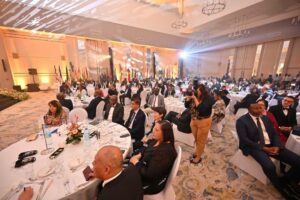
The launch in Port Louis, Mauritius

On Malawi, Mhango contends that the country “is particularly relevant to this discussion because it does not currently have an actively maintained sovereign rating from the major global credit rating agencies”.
“While Malawi historically received a Fitch sovereign rating of B−, that assessment dates back to 2007 and cannot reasonably be regarded as a current assessment of the country’s sovereign credit position.
“This means that investors considering Malawi today cannot rely on a regularly updated sovereign rating from the major international agencies reflecting the country’s current fiscal position, debt dynamics, foreign-exchange position, institutional environment and economic prospects.”
Establishing credible and active sovereign rating coverage, Mhango continues, “could, therefore, form part of Malawi’s longer-term strategy for rebuilding international financial credibility”.
“For Malawi, the objective should not be to seek a favourable rating — it should be to obtain a credible rating. A difficult rating that accurately identifies weaknesses is ultimately more valuable than having no current benchmark at all, because it tells policymakers and investors where the risks are and provides a measurable pathway towards improvement.”

Advertisement
He further maintains that “an active sovereign rating can improve a country’s visibility to international investors, provide a benchmark for pricing sovereign risk and potentially support access to international financing as economic fundamentals improve.
“Its importance can also extend to the domestic private sector. Sovereign risk perceptions frequently influence the financing conditions facing domestic banks and companies seeking international capital.
“Improving sovereign credibility can therefore contribute to a broader improvement in the country’s investment and financing environment.”
The DCG, however, cautions that the establishment of an African rating agency “should not be interpreted as a mechanism for automatically producing higher ratings for African governments”.
“AfCRA’s long-term influence will depend on its independence, methodological rigour, transparency, governance and credibility with investors.

“AfCRA will succeed if investors trust its analysis, not simply because it is African. Its ratings must be capable of identifying economic weaknesses just as firmly as they recognise economic strengths.
“Credibility must come before favourable outcomes,” Mhango said, adding that for countries currently without active international sovereign ratings, AfCRA could potentially provide an important entry point into formal sovereign credit assessment.
“Particularly if its ratings become recognized by African financial institutions, development finance institutions, institutional investors and eventually wider international capital markets.
“The real test will be whether an AfCRA rating eventually influences actual capital allocation, lending decisions, bond pricing, guarantees and investment decisions.
“That is when an African credit rating architecture begins to have economic meaning. For Malawi, this presents an opportunity to consider active sovereign credit rating not merely as an assessment of the economy, but as part of a broader programme of fiscal credibility, debt sustainability, transparency, institutional strengthening and eventual re-engagement with international capital markets.”
Editor’s Note:
Chifipa Mhango is a Chief Economist & Executive Director-Economic Research & Strategy at Don Consultancy Group (DCG), who has more than 30 years of experience spanning economic research, macroeconomic and fiscal analysis, corporate strategy, financial services, development finance, trade policy, investment advisory and strategic planning across Africa.
He has held senior leadership roles in both the public and private sectors in South Africa, providing economic intelligence and strategic advice to businesses, government institutions and other decision-makers.
His work focuses on translating economic and policy developments into practical strategic insights that support informed decision-making, competitiveness and sustainable growth.

Advertisement