
* The journey that begins with dreams of prosperity ends in exploitation, abuse and loss of dignity
* The common pattern is deception during recruitment; victims are promised good salaries and decent working conditions
* But once they arrive, they discover they have no control over their lives
Feature by Adson Nthenga, Malawi News Agency, MANA
For many Malawians searching for a better life, the decision to seek employment beyond the country’s borders begins with hope — the promise of a decent job, a stable income and the ability to support families back home often represents an opportunity to overcome economic hardships and create a more secure future.

Advertisement
But for some, the journey that begins with dreams of prosperity ends in exploitation, abuse and loss of dignity.
Promised attractive salaries and favourable working conditions, some Malawians who travel to countries such as Oman and the United Arab Emirates, have instead found themselves trapped in situations where they experience forced labour, withheld wages, restricted movement, confiscated passports and other forms of abuse.
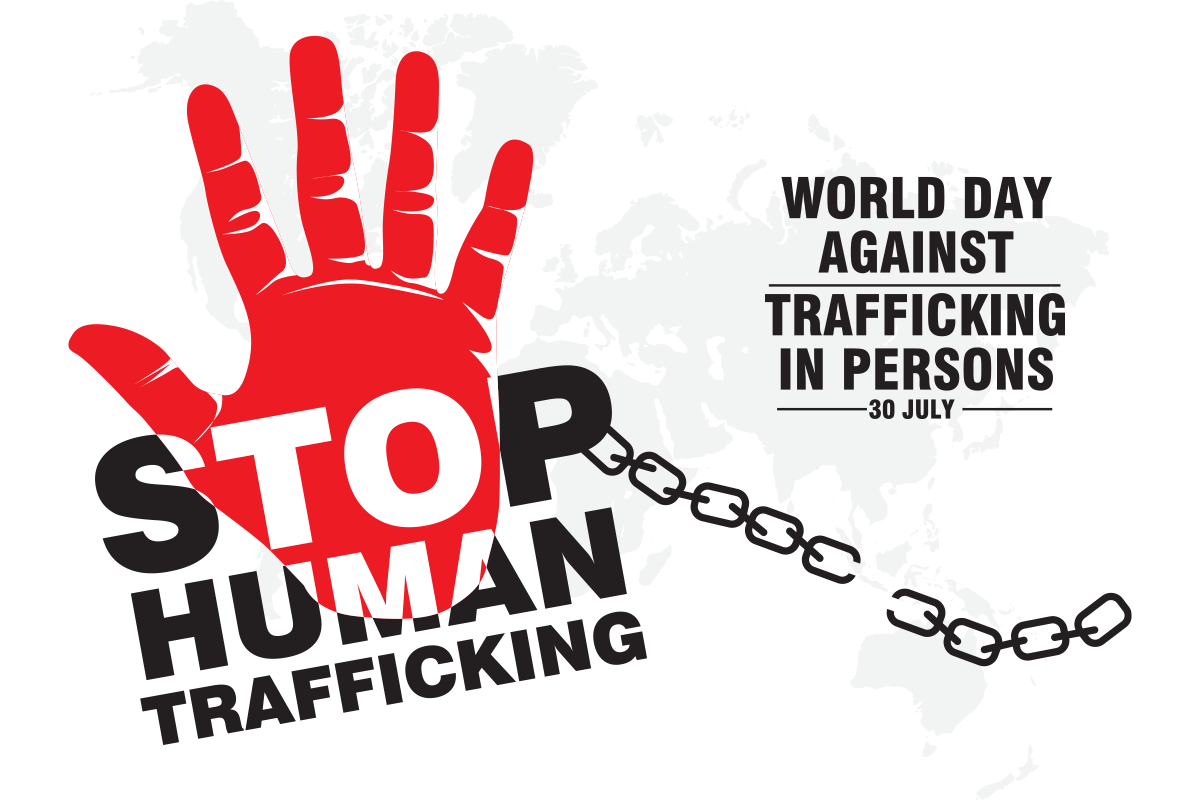
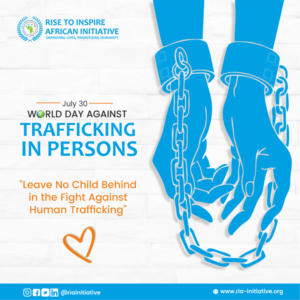
As Malawi joins the rest of the world in commemorating World Day Against Trafficking in Persons on Thursday, July 30, concerns are growing over the continued vulnerability of citizens seeking employment abroad, particularly as deceptive recruitment practices continue to expose job seekers to exploitation.
Malawi Human Rights Commission (MHRC) Executive Secretary Habiba Osman describes human trafficking as one of the gravest human rights violations confronting the country.
“Trafficking is modern-day slavery,” says Osman, adding that the Middle East corridor has become a major area of concern following cases involving Malawians who travelled abroad after accepting employment opportunities but later experienced exploitation and abuse.
For organisations working directly with victims, the impact of trafficking is measured not only in numbers but in the experiences of people whose hopes for a better future were replaced by suffering.
Executive Director for PIDO International, Pilirani Mombe Nyoni says her organisation has assisted more than 400 Malawians, most of them women and girls, who became trapped in exploitative situations after travelling to Oman in search of employment.
Nyoni says many victims were recruited after being promised decent jobs and good salaries but later discovered that the conditions they faced were completely different from what they had been told.

Pilirani Mombe Nyoni
Some endured physical, emotional and psychological abuse. Others worked for long hours without rest, had their passports taken away, were prevented from communicating with their families, experienced sexual harassment or went for months without receiving their wages.
“The common pattern is deception during recruitment. Victims are promised good salaries and decent working conditions, but once they arrive, they discover they have no control over their lives,” Nyoni says.
She explains that the difference between labour migration and human trafficking is determined by the presence of deception and exploitation: “The line is crossed the moment recruitment is based on deception and results in exploitation.
“When a worker’s passport is confiscated, freedom of movement is restricted, wages are withheld, or they are forced to work under abusive conditions they never agreed to, that is no longer labour migration, it is human trafficking.
Nyoni also challenges the belief that paying recruitment fees gives employers control over migrant workers.

Malawi Police Service says deceptive employment offers remain one of the major ways traffickers lure unsuspecting Malawians into exploitative situations.
Deputy public relations officer, Superintendent Alfred Chimthere confirms that some Malawians are recruited through false employment opportunities before being subjected to exploitation and abuse.
He explains that traffickers increasingly use social media platforms, recruitment agents and personal networks to advertise attractive jobs, promising good salaries and favourable working conditions before victims discover the reality awaiting them.
The Ministry of Labour, Skills & Innovation says preventing trafficking requires ensuring that labour migration takes place through legitimate channels that protect workers’ rights.
Ministry spokesperson Tabbu Kauye says the Ministry recognises that there is a thin line between labour migration and human trafficking, making proper verification and due diligence critical.
She says some people who experience abuse and human rights violations migrate individually or through individuals acting as agents who are not registered as Private Employment Agencies.

Tabbu Kauye
Kauye advises Malawians seeking employment abroad to use registered recruitment agencies because such agencies can provide support if challenges arise.
To strengthen oversight, she says the Ministry developed the Guidelines for Labour Export for Private Recruitment Agencies and Migrating Individuals in 2016 to regulate recruitment operations through registration, monitoring and guidance on ethical recruitment standards.
She adds that the Ministry is also developing Labour Export Regulations aimed at strengthening safe labour migration beyond the existing guidelines.
Before workers leave Malawi, Kauye says the Ministry verifies the legitimacy of foreign employers, scrutinises employment contracts and requires migrant workers to obtain official clearance.
“The Ministry also conducts mandatory pre-departure orientation sessions to educate migrant workers on their rights, employment conditions, contractual obligations, and where to seek assistance if they experience challenges while abroad,” she says.

Advertisement
The Ministry also inspects the premises of Private Employment Agencies to ensure that they are genuine and operating within established requirements.
When cases of abuse or suspected trafficking involving Malawian migrant workers are reported, Kauye says the Ministry works with relevant government institutions and international partners to protect affected workers.
She says the Ministry collaborates with the Ministry of Foreign Affairs, Malawi missions abroad, Immigration authorities, the Malawi Police Service and international organisations such as the International Organisation for Migration (IOM) and the International Labour Organization (ILO).
These partnerships, she explains, support protection, rescue, repatriation and reintegration of affected migrant workers while ensuring suspected trafficking cases are investigated.
However, Kauye acknowledges that challenges remain, particularly with the increasing use of social media platforms and informal networks by unscrupulous recruiters to advertise fraudulent overseas employment opportunities.
She says some job seekers also bypass official recruitment procedures, making them more vulnerable to exploitation.
Kauye urges Malawians seeking work abroad to verify employment opportunities with the Ministry before making commitments.
She warns that unusually high salaries for unskilled work, requests for payment to secure employment, offers of free travel and accommodation without proper documentation, and employers who fail to provide written contracts or clear job details are possible warning signs of fraudulent recruitment and potential human trafficking.
For Nyoni, however, protecting migrant workers requires stronger systems that continue beyond recruitment and departure.
She believes Malawi’s diplomatic missions should play a stronger role in monitoring the welfare of citizens working abroad and responding quickly when cases of abuse are reported.
“Every Malawian embassy should know where its citizens are, monitor their welfare, and respond quickly when they receive reports of abuse,” Nyoni says.
She calls for stronger cooperation between the Malawi Government, diplomatic missions, destination country authorities and organisations supporting survivors to ensure victims receive timely assistance.
Nyoni also urges job seekers to pursue overseas employment only through reputable companies operating under legally binding contracts that protect workers’ rights.
She says stronger monitoring of online recruitment platforms is also needed because many fraudulent job opportunities are advertised through channels that are not recognised.
“Most of the vacancies are posted on social media and online channels. Most of the channels and platforms are not recognised,” she says.
The Malawi Human Rights Commission says the continued vulnerability of some Malawians to trafficking is linked to wider social and economic pressures.

Habiba Osman
Osman says poverty and unemployment create conditions that traffickers exploit by presenting themselves as providers of opportunities while hiding the risks involved.
She says Malawi has a legal framework for combating trafficking through the Trafficking in Persons Act of 2015, which criminalises both labour and sex trafficking.
However, Osman says effective implementation, adequate resources and stronger coordination remain necessary to ensure victims receive protection and access to justice.
“The architecture exists. The gaps are in implementation, resourcing and coordination, not in the letter of the law,” Osman says.
She calls for stronger regulation of recruitment agencies, enforceable labour migration agreements and improved systems for identifying, protecting and supporting survivors.

Superintendent Alfred Chinthere
For law enforcement agencies, the cross-border nature of trafficking remains one of the biggest challenges.
Chimthere says trafficking networks often operate across several countries, making investigations and prosecutions more complex.
He says the Malawi Police Service continues to strengthen cooperation with regional and international law enforcement bodies, including the Southern African Regional Police Chiefs Cooperation Organisation (SARPCCO) and the International Criminal Police Organisation (INTERPOL), through information sharing, joint investigations and coordinated operations.
As Malawi commemorates World Day Against Trafficking in Persons, the message from authorities and human rights advocates is clear: the search for employment abroad must not come at the expense of human dignity.
For Malawians pursuing opportunities beyond the country’s borders, safe migration begins with verified information, legitimate recruitment channels and awareness of their rights.
Because every overseas job opportunity carries a human story, and no dream of a better life should end in exploitation.

Advertisement