
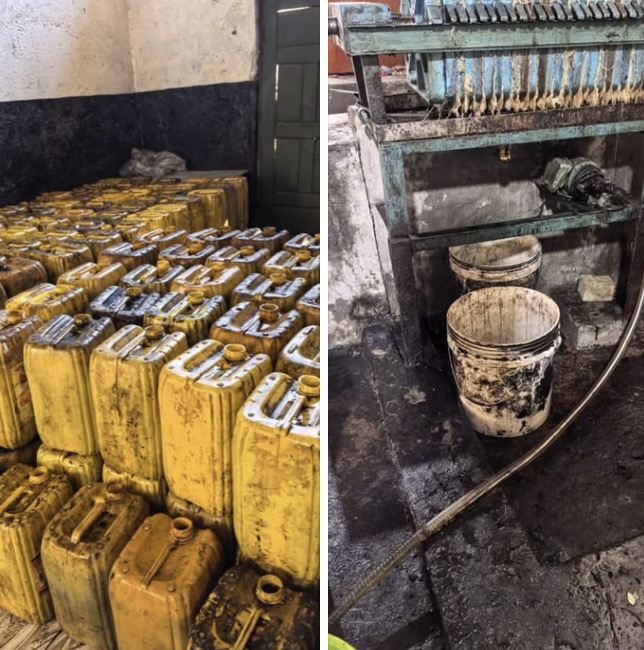
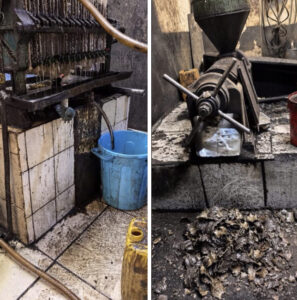
* As Malawi Bureau of Standards unearths four companies at Mapanga Industrial Area in Blantyre processing food in filthy conditions
* The affected companies are Dilydada Limited manufacturing cooking oil; Aimi Industries Limited (maize flour & cooking oil; 88 Brothers (cooking oil); and Tianma Company Limited (maize flour & cooking oil)
* Each company has been suspended from production, charged quarantine fees for already produced goods and issued a non-compliance fee of MK2 million
By Roy Howa, Malawi News Agency (MANA)
Following a report by Malawi Bureau of Standards (MBS) that it on factory surveillance exercise, it unearthed four food processing companies operating in filthy conditions, health rights advocate, Dorothy Ngoma has emphasised on the importance of regular inspections of food manufacturers.

Advertisement
MBS has reported that during its factory surveillance exercise at Mapanga Industrial Area in Blantyre, from July 27-31, 2026, the four companies were found with critical food safety and hygiene non-conformities, which have since been suspended from production pending implementation of corrective actions.
The affected companies are Dilydada Limited manufacturing cooking oil; Aimi Industries Limited (maize flour & cooking oil); 88 Brothers (cooking oil); and Tianma Company Limited (maize flour & cooking oil
MBS indicated that “each company has been suspended from production, charged quarantine fees for already produced goods and issued a non-compliance fee of MK2 million”.
“Consumer protection remains at the core of the MBS’ mandate,” says the regulator, adding that it will continue conducting factory inspections and market surveillance to ensure that products placed on the market comply with Malawi Standards and are safe for consumers.
In June, the MBS also reported that on another market surveillance exercise in Kanengo, Lilongwe, its officers discovered that Fytu Investments was manufacturing toilet paper without MBS certification following the relocation of its operations from Area 49 to Kanengo.
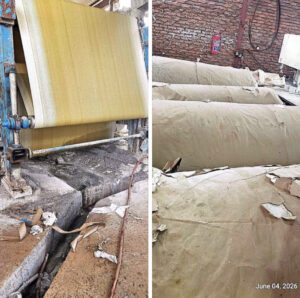

“The inspection further revealed that the facility was operating under very unhygienic conditions, posing risks to the quality and safety of the products,” reported the MBS, adding that it immediately stopped the company’s operations and imposed a fine of MK2.4 million.
This public health expert Ngoma warns that poor hygiene practices in food-processing facilities could expose consumers to serious illnesses.
In an interview, Ngoma said food products prepared or stored under unsanitary conditions could expose consumers to diseases such as cholera, typhoid and salmonella infections, among other illnesses linked to bacterial, viral and chemical contamination.
“We are talking about products that are consumed by the whole nation,” she emphasised. “If they are produced in unhygienic conditions, the risk is that consumers will unknowingly be exposed to harmful substances and disease-causing organisms.”

Dorothy Ngoma
She added that poor food safety practices not only affect consumers but also place additional pressure on the country’s healthcare system.
Ngoma thus emphasised the importance of regular inspections, saying they help manufacturers maintain acceptable standards and enable authorities to identify potential risks before products reach consumers.
“There are a lot of easy, simple things that we can do — supervising, checking, reporting and advising, are among them. If we are failing to do that, we will continue having these problems,” she said.
She further called for stronger internal quality-control systems within manufacturing companies to complement inspections by regulatory authorities.
Ngoma also urged consumers to remain vigilant when purchasing food products and report suspected unsafe products to relevant authorities.
Recently, Consumers Association of Malawi (CAMA) called for stronger enforcement of consumer protection measures and accountability among businesses found breaching safety regulations.—Editing by Duncan Mlanjira, Maravi Express

Advertisement