
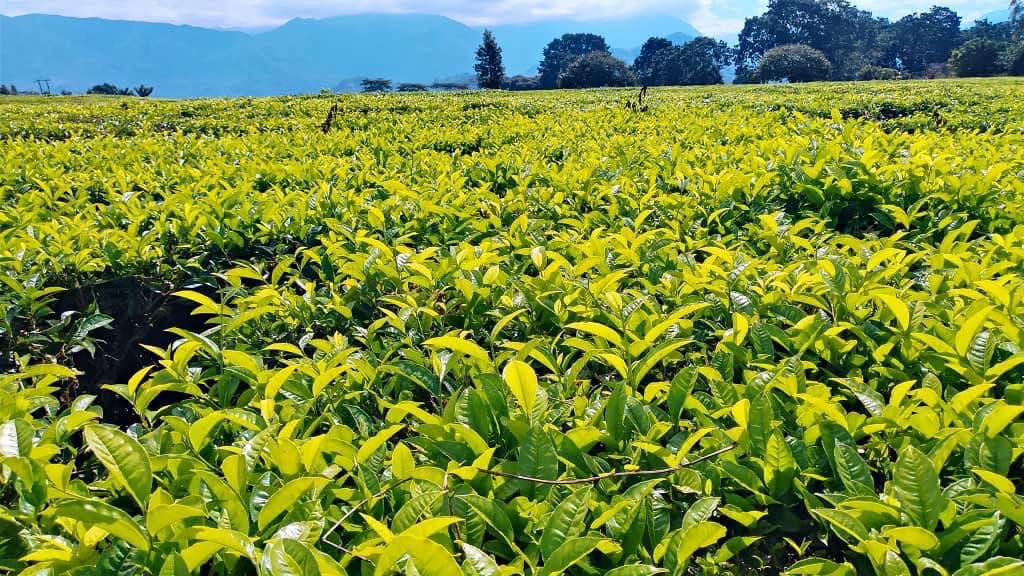

Dr. Nicholas Mphangwe
* Climate change has become one of the major threats to tea production, affecting both yields and the quality of tea
* Years of research have resulted in the development of improved tea varieties capable of withstanding harsh weather conditions as well as disease and pest pressures
By Mazunzo Pichesi, Malawi News Agency (MANA)
Tea farmers in Malawi have been advised to adopt improved tea varieties that are resilient to climate change, diseases and pests in order to enhance productivity and safeguard the future of the country’s tea industry.

Advertisement
Chief Research Scientist, Dr. Nicholas Mphangwe, made the call on Friday during the commemoration of the 60th anniversary of the Tea Research Foundation of Central Africa held in Mulanje — under the theme; ‘Sixty Years of Impactful Research on Tea: The Journey Continues’.
Research Scientist emphasised that climate change has become one of the major threats to tea production, affecting both yields and the quality of tea.
He added that years of research have resulted in the development of improved tea varieties capable of withstanding harsh weather conditions as well as disease and pest pressures.
“Climate change has greatly affected tea production over the years, he said. “Through research, we have developed improved tea varieties that are more resilient.”
He further emphasised the role of smallholder farmers in expanding tea production, noting that they present a key opportunity for growth in the sector due to limited expansion space within estates.
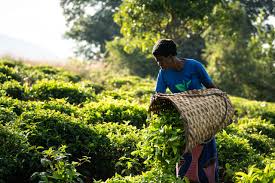
“Most estates have limited land for expansion. Smallholder farmers, therefore, present the greatest opportunity for increasing tea production, and that is why they need continued support and empowerment.
Mphangwe also expressed confidence in the competitiveness of Malawi tea on the international market, saying there is still room to improve productivity and ensure greater benefits for farmers.
“Malawi tea remains competitive globally — however, there is still room for increasing productivity so that farmers can benefit more and the industry can continue growing,” he said.
More than 27,000 smallholder farmers are currently engaged in tea production in Malawi and Sukambizi Tea Association Trust chairperson, Edison Maotchedwe said although smallholder farmers are contributing significantly to the sector, low tea prices remain a major challenge.
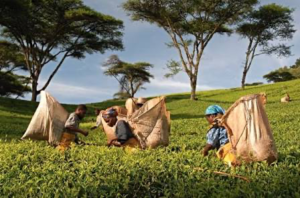
He said rising production costs are affecting profitability and limiting farmers’ returns: “We appreciate the support we receive through research and extension services, but one of our major concerns remains low tea prices.
“Production costs continue to rise, making it difficult for farmers to realise meaningful profits, Maotchedwe said, while calling on stakeholders in the tea value chain to explore measures that would improve returns for farmers and encourage further investment in the sector.
According to AI generated background, Malawi is the oldest commercial producer in Africa and stands as the continent’s second-largest tea manufacturer after Kenya.

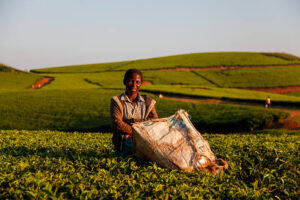
Introduced by Scottish missionaries in the late 19th century, the tea industry is a cornerstone of Malawi’s agrarian economy and it is the nation’s largest formal employer, sustaining over 50,000 workers and roughly 17,000 to 22,000 smallholder farmers.
Annually, the country yields between 45 and 53 million kilograms of tea and this massive output drives roughly 7% to 9% of Malawi’s total foreign exchange earnings, ranking it as the country’s third-largest export commodity behind tobacco.
Malawi’s tea industry is highly centralised in Thyolo and Mulanje highlands due to its rich volcanic soils, abundant rainfall, and cool mountain micro-climates with a minor portion grown in Nkhata Bay.
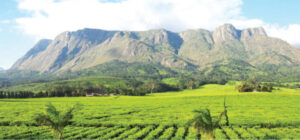
The Malawian tea industry features a sharp economic divide between massive corporate landholdings and marginalised local growers. Private international companies hold dominant tracts of land and produce over 93% of national tea volumes.
Processing factories are entirely owned by these estates, giving them full control over the tea value chain while the smallholder sector — 65% of whom are women — till around 15% of the country’s tea-growing land but only manage 7% to 10% of total national output.
Lacking processing infrastructure, smallholders must sell raw green leaves directly to private estates through strictly bound corporate contracts.
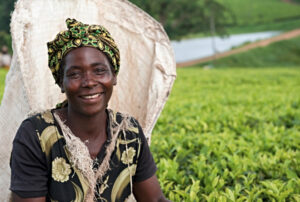
Malawi is historically recognised for producing CTC (crush, tear, curl) black teas. This industrial-grade processing yields small, highly oxidized leaf fragments ideal for deep color and quick extraction in global teabag blends.
However, forward-thinking producers like the iconic, century-old, family-run Satemwa Tea Estate have shifted heavily into specialty and artisanal categories by crafting award-winning, single-origin orthodox varieties.
These include hand-rolled green pearls (Zomba Pearls), rare white teas (Antlers), artisanal oolongs, smoked dark teas (Thyolo Moto), and custom herbal infusions made with locally harvested lemongrass and hibiscus.
Historically plagued by low agricultural wages, the sector has seen strategic overhauls through global pacts like the Malawi Tea 2020 initiative. This coalition established collective bargaining agreements to close the living wage gap.
More recently, partnerships backed by the Ethical Tea Partnership have accelerated the adoption of mobile digital wallet payments for estate workers — a shift that mitigates cash theft, saves valuable field labour time, and secures female wages.—Additional reporting by Duncan Mlanjira, Maravi Express

Advertisement