
* Appoints new executive chairperson to lead Malawi’s critical minerals project having concluded its definitive feasibility study in April 2026
* Tim Carstens is described as a highly experienced mining executive with more than 25 years’ experience in senior resources sector roles in Australia
* And internationally, including with Perilya, North, Robe River Iron Associates, Iron Ore Company of Canada and St Barbara Mines
By Duncan Mlanjira
Australian company, Sovereign Metals, the investor of rutile and graphite minerals that was identified in Lilongwe a couple of years ago, is moving forward in development, financing and construction at its Kasiya mine.

Advertisement
A report by South Africa-based global mining online publication, Mining Weekly, indicates that the Australian investor concluded its definitive feasibility study (DFS) in April 2026 and the next stage is development, financing and construction.
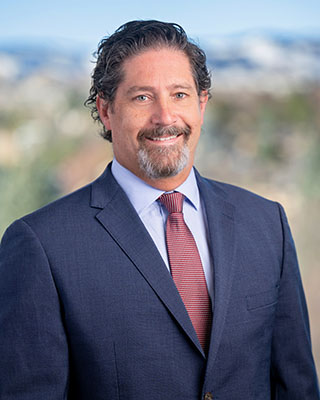
Thus it has roped in Tim Carstens as the executive chairperson to lead Kasiya mine’s critical minerals project — who is describing as a highly experienced mining executive with more than 25 years’ experience in senior resources sector roles in Australia.
Internationally, Carstens’ experience includes working with Perilya, North, Robe River Iron Associates, Iron Ore Company of Canada and St Barbara Mines.
“Most recently, he served as MD of ASX- and Aim-listed titanium feedstock producer Base Resources from its inception in 2008 until its acquisition by US critical minerals company Energy Fuels in October 2024.
“During this period, he led Base Resources through the financing, construction and successful operation of Kenya’s first large-scale commercial mine, the Kwale mineral sands mine, as well as the acquisition and advancement of the Toliara mineral sands and rare earths project in Madagascar,” says the report.
With Kasiya’s definitive feasibility study (DFS) completed, Sovereign is reported that is advancing Kasiya Mine towards a final investment decision and ultimately construction and production.
Carstens is reported to have described Kasiya Mine as an exceptional project with the scale, quality and long-term production potential to become a globally significant source of natural rutile, graphite and heavy rare earths.
“Having spent much of my career developing and operating resources projects in Africa, I see a compelling opportunity to apply that experience to Kasiya,” he is quoted as saying.
“With the DFS now complete, our focus will be on advancing the key permitting, financing and commercial arrangements as well as building the organisation required to move the project towards construction.
“I look forward to working with the wider Sovereign team to deliver the next stage of Kasiya’s development and create long-term value for shareholders and our stakeholders in Malawi.”

Advertisement
Following Carstens’ appointment, effective Thursday, November 19, Ben Stoikovich is stepping down as chairperson and retire from the Sovereign Board, who is reported to have played an instrumental role in Sovereign’s growth and advancement of Kasiya since his appointment in December 2021 as director and chairperson in October 2020.
He oversaw the project’s progression through its scoping study and prefeasibility study stages; and ultimately the completion of the DFS in April.
The Mining Weekly indicates that Stoikovich will continue to provide consulting services to the investor.
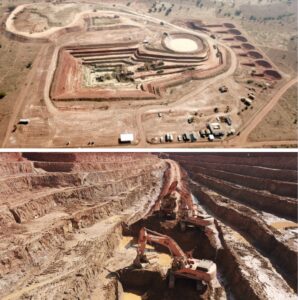
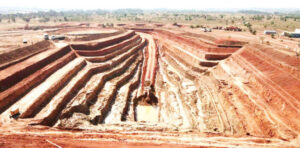
Kasiya mine, located over 40km northwest of the Capital Lilongwe is touted as Malawi’s massive greenfield critical minerals project.
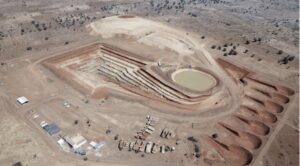
According to Sovereign Metals, the mine is recognised as the world’s largest natural rutile deposit and the second-largest flake graphite deposit globally.
Its resource size is estimated at 1.8 billion tonnes of mineral-resource material — containing over 20 million tonnes of rutile and over 24 million tonnes of graphite.
It is designed as a large-scale open-pit dry/hydraulic operation using simple physical separation without heavy chemical or pyrometallurgical processing.
Its initial mine life is projected to be 25 years with potential to operate much longer and the economic impact is estimated to generate hundreds of millions in annual export revenues and significant national economic benefits over its lifespan.
It is also designed to coordinated agricultural rehabilitation trials to allow farming to continue alongside extraction — as indicated by Sovereign Metals.

Advertisement