
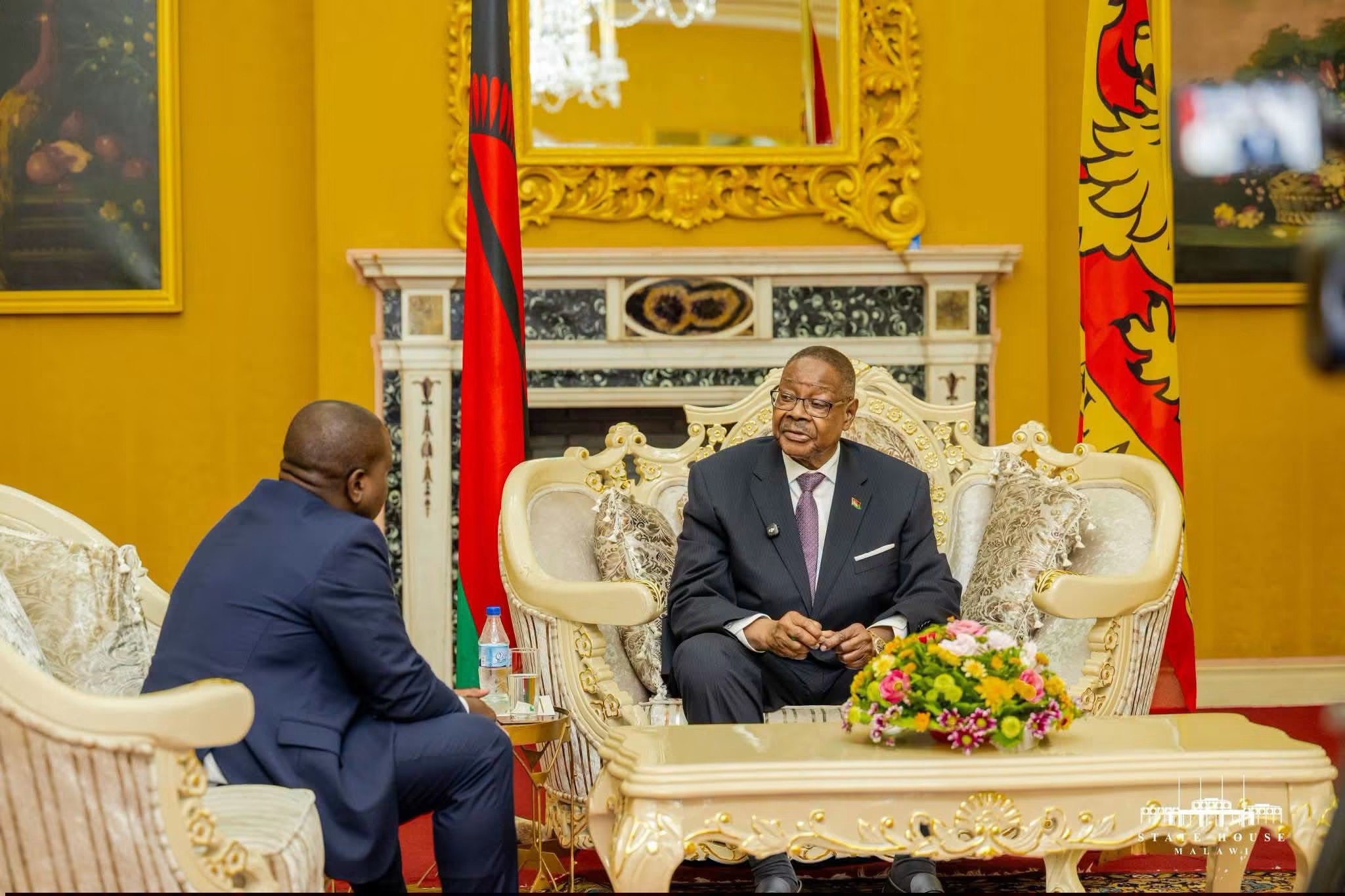
* The interview may have given Malawians the President’s assessment of his first year
* What it did not adequately provide was the rigorous examination of that assessment that citizens deserve
* The harder questions remain, and Malawi deserves answers—economist and accountable governance advocate, Dr James Kadyampakeni
By Duncan Mlanjira
Canada-based Malawian economist and accountable governance advocate, Dr. James Kadyampakeni, has described President Arthur Peter Mutharika’s exclusive interview with MBC TV as a “staged Presidential Scorecard of his first year back in office — but was not the interview many Malawians expected”.

Advertisement
Malawi News Agency (MANA), reports that Mutharika highlighted that his administration has delivered half of its first year targets, pointing to cheaper maize, improved food security and restored freedoms as key achievements.
In the exclusive interview last night at Kamuzu Palace in Lilongwe — as he marked one year since returning to office — Mutharika said: “I know some people said that achieving food security is not an achievement, but ask those people in Machinga eating Chitedze, or Nyika in Chikwawa and Nsanje; they will tell you that it was an achievement.”
He highlighted that the price of a 50kg bag of maize had fallen from more than K100,000 to about K35,000, making the staple more affordable and available.
The President said fuel supplies had also remained largely stable over the past year despite international and logistical challenges.
He cited the early rollout of the Farm Input Subsidy Programme as another step towards sustaining food security.
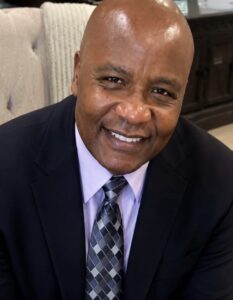
Dr. James Kadyampakeni
But Kadyampakeni contends that “with all due respect, the interview was not what many Malawians expected”.
“The President has every right to tell the nation what he believes his administration has accomplished,” he said. “He should be able to explain his policies, defend his record and outline his vision for the remaining four years of his mandate.
“But a presidential interview should do more than provide a platform for the President to present his own scorecard. It should also test that record against the realities facing ordinary Malawians.
“That is where this interview fell short. Malawians are confronting serious economic challenges. They want to understand why access to foreign exchange remains difficult; why fuel availability continues to concern households and businesses; what is being done about electricity shortages; how public debt is being managed; and what is driving the cost of living.
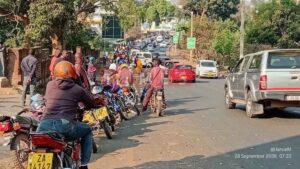
“They also deserve a frank discussion about inflation, corruption, employment and the broader direction of the economy.
“These are not political attacks. They are legitimate questions about the country’s future.
The President’s argument that Malawians should judge his administration over the full five-year mandate is understandable.
“But a five-year electoral mandate does not mean that citizens must wait five years before asking whether government policies are working. The public has a right to assess progress along the way.”
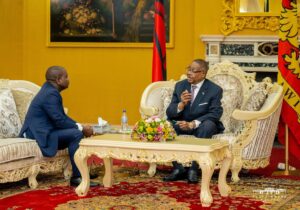
In the interview, Mutharika asked Malawians to judge his administration on its full five year tenure rather than his first year alone.
On the persistent foreign exchange scarcity, coupled with fuel challenges — which have resurfaced with fierce intensity throughout the country, the President said they were still being addressed and should also be assessed within the context of his five year programme.
He emphasised that his administration had focused on two major goals, liberating the country, rebuilding the economy, and that the government had restored freedoms and created an environment where citizens could respect authority and obey the law without living in fear.
He thanked Malawians for returning him to power, describing his 2025 presidential election victory with more than three million votes as historic.
Mutharika also called for national unity, saying political divisions, propaganda and lies had fuelled anger and weakened Malawi’s identity as the Warm Heart of Africa.
He urged politicians and citizens to work together as one family and nation to overcome the country’s challenges.

Advertisement
Kadyampakeni, however, contends that “there will, of course, be those who believe President Mutharika has done a good job during his first year — they are entitled to that view.
“Others, myself included, may look at the evidence and reach a different conclusion.
“That disagreement is healthy. What matters is that the debate is grounded in facts rather than political loyalty.
“My criticism is not directed at President Mutharika personally — it is about the performance of his government and whether its policies are delivering the results Malawians were promised.
“There is also a significant constitutional and political question that deserved greater attention: the position and role of Vice-President Jane Ansah.
“The Vice-President is not simply another political personality within government. The office exists within Malawi’s constitutional framework and carries responsibilities relevant to the functioning of the Executive.
“Questions surrounding the Vice-President, the relationship between the President and Vice-President, and the functioning of the Executive, therefore, deserve clear and credible explanations.
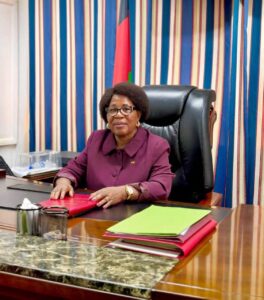
Vice-President Jane Ansah complains of being sidelined
“Malawians should not have to depend on rumours, speculation or competing political narratives to understand what is happening at the highest levels of government.
“This is why serious journalism matters. The role of an interviewer is not to manufacture confrontation, but neither is it simply to provide a platform for government to announce its achievements.
The questions should reflect the concerns citizens are raising every day: Where is the economy heading? What is the sustainable solution to the foreign-exchange crisis? What is being done to resolve persistent fuel and electricity challenges?
“How is government addressing corruption? What measurable progress is being made in creating jobs and improving living standards? And what should Malawians expect to see by the end of the second year?
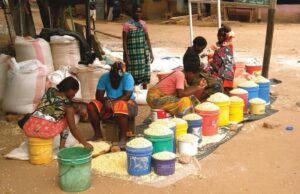
“If maize is cheaper and more available, that is worth acknowledging; if food security has improved, that deserves recognition; if citizens are enjoying greater political freedoms, that too should be recognised.
“But government performance cannot be judged by achievements alone. It must also be measured against the problems that remain unresolved and the policies that have yet to produce the promised results.
“President Mutharika has a mandate to govern. Malawians have a democratic right to question how that mandate is being exercised. Those principles are not contradictory; they are essential to a functioning democracy.
“Give government credit where the evidence supports it. Challenge it where the evidence raises legitimate concerns.
“That is not being anti-government. It is being a citizen,” says Kadyampakeni, who believes that the interview may have given Malawians the President’s assessment of his first year but “what it did not adequately provide was the rigorous examination of that assessment that citizens deserve”.
“The harder questions remain — and Malawi deserves answers,” said Kadyampakeni, who regularly comments on Malawi’s economy, governance, and politics.

Advertisement