
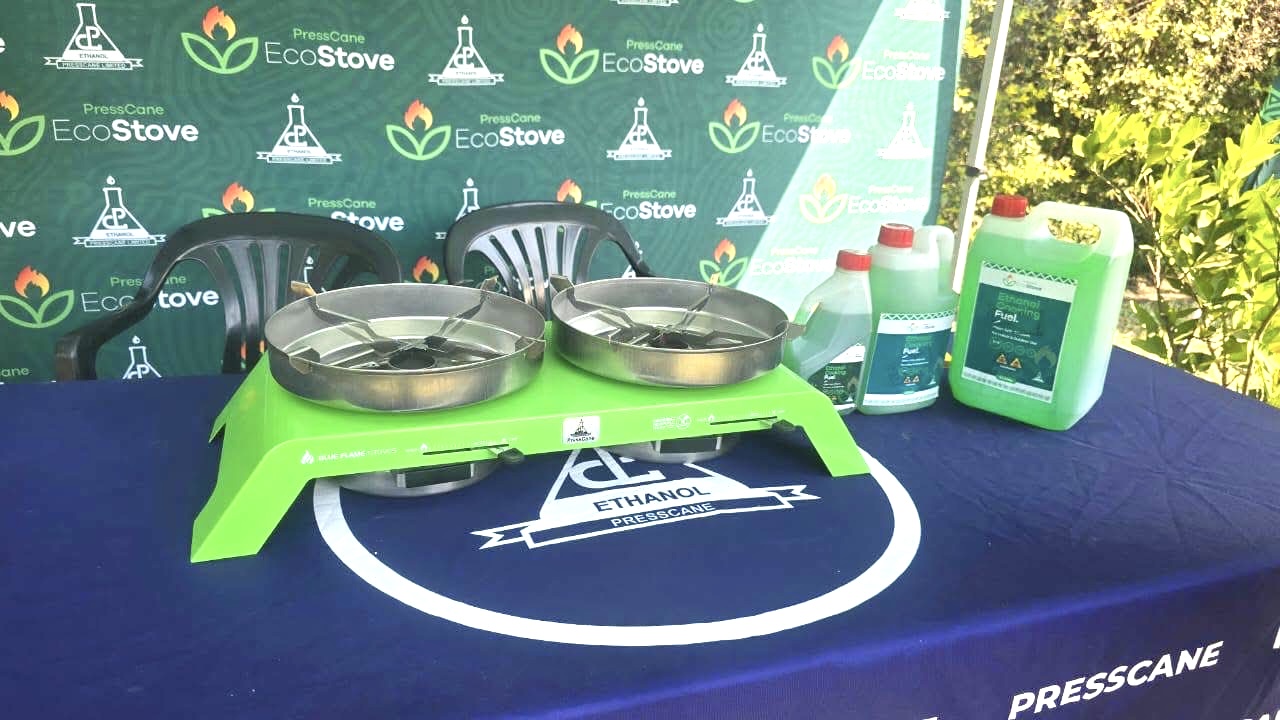
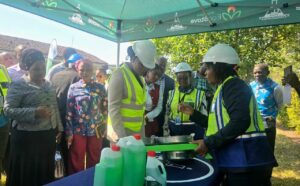
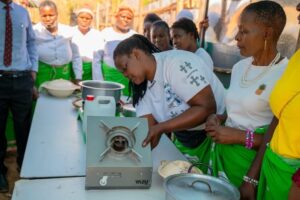
Minister of Natural Resources Patricia Wiskes being shown how the stove works
* It provides a practical and affordable alternative to charcoal, making it easier for households to adopt cleaner cooking solutions
* While reducing pressure on the country’s forests—Minister of Natural Resources, Patricia Wiskies
* Clean cooking is also a women’s rights issue as women spend more time cooking and stand to benefit significantly from cleaner energy solutions—UNDP Resident Representative Fenella Frost
Maravi Express
PressCane Limited’s clean cooking solutions has been greatly acclaimed as a superb initiative that is set to protect families’ health by reducing exposure to harmful kitchen smoke as well as enhancing environmental conservation efforts.

Advertisement
During a tour of PressCane ethanol plant at Dyeratu in Chikwawa on Tuesday — in the company of Irish Ambassador to Malawi, Kate Brady and UNDP Resident Representative Fenella Frost — Minister of Natural Resources, Patricia Wiskies commended the company for introducing the clean cooking stove and its accessories, saying the number of people’s lives will change as it provides a practical and affordable alternative to charcoal.
She emphasised that the innovations will make it easier for households to adopt cleaner cooking solutions while reducing pressure on the country’s forests.
Wiskes took note that the company — which early this year made headlines when its factory’s effluent discharge affected the surrounding Dyeratu communities, causing environmental damage in nearby homes and fields — has taken steps in taking active steps to manage the challenge, describing it as “environmental stewardship”.

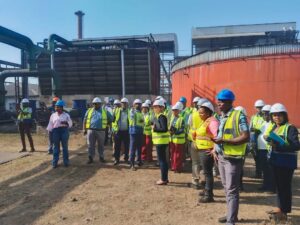
“A few months ago, PressCane was in very big misunderstandings with the community but a few months down the line, we have also seen the positive measures that PressCane has undertaken, including the commissioning to the zero effluent discharge.”
The Minister further said it cannot be over-emphasised that the ethanol cooking stoves will help restore the environment in the country, while generating foreign exchange by reducing imports amid foreign exchange constraints.
“What we have witnessed during our visit is that PressCane is doing remarkable work as it is providing households with ethanol for cooking.
“The good thing is that ethanol has much higher acceptability among community members than liquid petroleum gas.
“The product is also being exported outside the country, helping us to generate foreign exchange,” said Wiskes, adding that beyond clean cooking solutions, PressCane is also creating employment opportunities — thus helping the country’s economy.
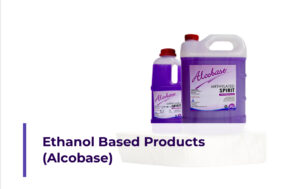
On his part, PressCane chief executive officer Bryson Mkhomaanthu said after fixing the effluent leakage, the company is working on re-aligning with the community through various community-focused initiatives.
“Our desire is that PressCane and the community should not be seen as two entities,” he said. “We are bringing economic impact to the community in a meaningful impact.”
Mkomawanthu added that the company is scaling up its bioethanol cooking project, but was quick to note that 98% of households are yet to adopt clean cooking solutions, with 18% still relying on charcoal.
PressCane has established 30 ethanol retail outlets, distributed 12,000 litres of ethanol and supported the adoption of ethanol stoves to 566 households.
“We have developed the product, and it is on the market. We are targeting people who are currently using charcoal because we ultimately want them to stop so that we protect our forests and create a healthy environment,” he said.

PressCane chief executive officer Bryson Mkhomaanthu
PressCane’s bioethanol cooking project is being implemented with support from the United Nations Development Programme (UNDP) and Irish Government-funded Green Economic Transition Facility (GETF).
Irish Ambassador to Malawi, Brady, reaffirmed her country’s commitment to supporting Malawi’s efforts to expand access to clean and affordable household energy.
UNDP Resident Representative Fenella Frost said clean cooking is also a women’s rights issue, noting that women spend more time cooking and stand to benefit significantly from cleaner energy solutions.
She commended both the government and the private sector for their resilience in advancing clean cooking solutions in the country.
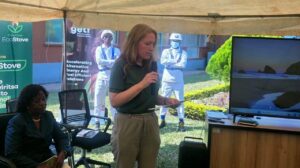
“As UNDP, we are excited that the government is very committed to this area,” she said. “Charcoal is a huge detriment to the country. We know that the environment, the agriculture sector and the well-being of the people of Malawi rely on the country’s forests.
“Once lost, those cannot be reclaimed. This is a matter of national urgency,” said Frost.
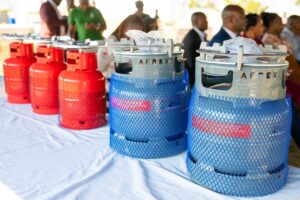
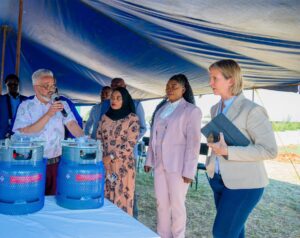
The delegation also visited Gasman Limited’s Liquefied Petroleum Gas (LPG) storage facility in Chigumula, where Minister Wiskes highlighted how switching to gas can protect Malawi’s forests and improve household health, especially with 98% of the country still relying on biomass for cooking.
These enterprises, alongside B&P Investments’ Blue Flame ethanol project, are supported through GETF — helping bring clean, safe and affordable cooking solutions closer to Malawian households.—Reporting by Leah Malimbasa, Malawi News Agency, Kumbukani Phiri, MBCDigital & UNDP Media; editing by Duncan Mlanjira, Maravi Express

Advertisement