
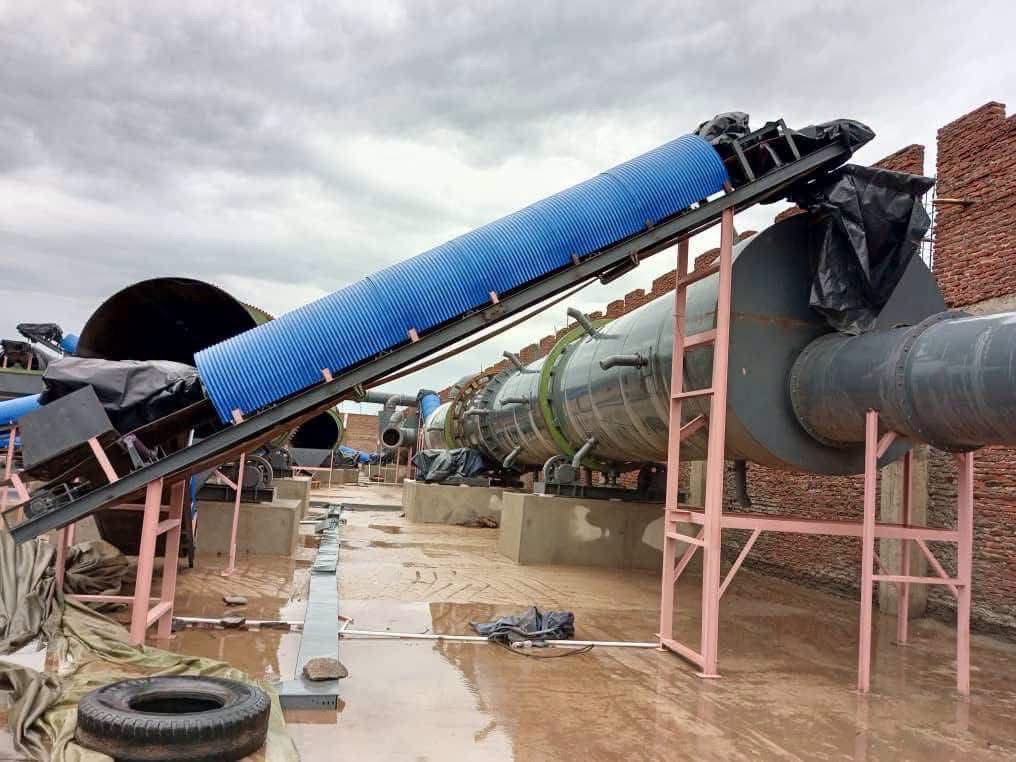

Napoleon Dzombe‘s fertilizer manufacturing plant in Dowa
* Response to recent public discussion surrounding businessman Napoleon Dzombe’s fertilizer manufacturing investment has once again brought this issue into the national conversation
* We need a cultural shift. From ‘Timpondereze’ to ‘Tilimbikitse’ — let us support one another. From ‘Alemera’ to ‘Adzathandiza dziko’ (his/her success can help build the nation)
* When a Malawian builds a factory that creates jobs, saves foreign exchange and supports government policy, the question should never be whether that individual becomes wealthy
By Chifipa Mhango, DCG Chief Economist
Malawi often speaks passionately about industrialisation, import substitution, job creation and economic transformation. Government policy consistently emphasises reducing imports, saving scarce foreign exchange, promoting local manufacturing and empowering domestic investors.

Advertisement
Yet too often, when Malawians themselves step forward to invest in transformational industries, they encounter lengthy delays, bureaucratic hurdles and an environment that appears unsupportive of local enterprise.
This contradiction raises an uncomfortable but necessary question: Are we unknowingly undermining our own development?
In Malawi, the familiar phrase captures this unfortunate mindset: ‘Timpondereze’ (Let us derail his/her progress — closely followed by another: ‘Alemera’ (he/she will become rich.
These two expressions reflect more than ordinary jealousy. They describe a culture where another person’s success is sometimes viewed with suspicion rather than pride, where significant investment can attract resistance instead of encouragement, and where personal advancement is occasionally treated as something to be restrained rather than celebrated.
Recent public discussion surrounding businessman Napoleon Dzombe’s fertilizer manufacturing investment has once again brought this issue into the national conversation.
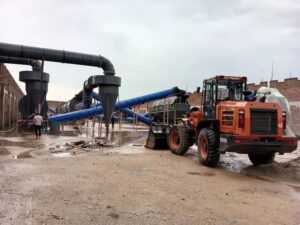
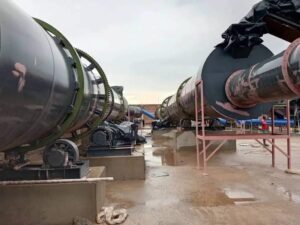
Reports indicate that the project has experienced regulatory delays before commencing operations, while environmental approval processes continue.
Regulatory oversight is an important responsibility of government, and environmental compliance must never be compromised.
At the same time, lengthy approval processes inevitably raise questions about whether Malawi is providing a sufficiently efficient environment for strategic investments.
The bigger issue extends beyond one investor. The proposed fertilizer plant fits squarely within Malawi’s own economic development agenda.
For decades, Malawi has relied heavily on imported fertilizer. Every agricultural season, substantial amounts of foreign currency leave the country to pay international suppliers.
This dependence exposes farmers to exchange rate volatility, global supply disruptions and rising international prices.
A successful domestic fertilizer manufacturing industry offers several strategic national benefits and these include:
* reduced fertilizer imports;
* significant foreign exchange savings;
* improved national food security;
* greater price stability;
* creation of skilled and semi-skilled jobs;
* growth of supporting industries and supply chains;
* increased tax revenues; and strengthening Malawi’s industrial base.

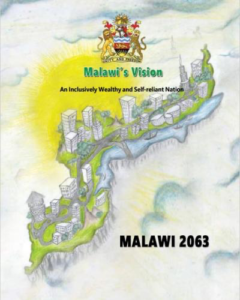
MW2063 national vision emphasises on industrialisation
In short, local fertilizer production represents exactly the type of import substitution that government policy has consistently encouraged.
Analysts have noted that local production could reduce reliance on imports while helping conserve scarce foreign exchange. Import substitution is not merely about producing goods locally — it is about changing the structure of the economy.
Every bag of fertilizer produced in Malawi instead of being imported represents foreign currency retained within the country. Those savings can be redirected towards purchasing medicines, fuel, industrial machinery and other strategic imports that Malawi cannot yet produce domestically.
This is how nations gradually strengthen their economies. History offers many examples.
Countries such as South Korea, Malaysia, China and Vietnam did not become industrial economies simply because government administrations made policy statements.
They succeeded because governments created environments where domestic entrepreneurs were encouraged to build factories, invest capital and create industries.
Successful nations celebrate investors who solve national problems. They ask: How can we help this investment succeed? Not: Why should he become successful?

Advertisement
Unfortunately, the ‘Timpondereze, Alemera’ mentality encourages the opposite. It shifts attention from national benefit to individual success.
Instead of asking whether Malawi gains from a factory, jobs, tax revenue and foreign exchange savings, attention shifts towards whether one entrepreneur may become wealthier.
But wealth creation should never be viewed as a national threat when it is created through productive investment — because:
* when entrepreneurs build factories, they create employment;
* when businesses grow, government collects more taxes;
* when industries expand, suppliers benefit;
* when exports increase, foreign exchange grows; and
* when imports fall, national reserves improve.
Economic development has never occurred by making investors poorer. It occurs by enabling more investors to succeed while ensuring transparent regulation, fair competition and compliance with national laws.
Malawi, therefore, faces an important policy choice. Should regulatory institutions continue to perform their vital oversight responsibilities? —absolutely.
Environmental protection, public safety and legal compliance are non-negotiable. However, regulatory effectiveness should also mean efficient, transparent and predictable decision-making.
Investors need certainty. Delays that are longer than necessary can increase costs, discourage future investment and send an unintended signal that Malawi is a difficult place in which to establish productive industries.
The country’s aspiration to industrialise will depend not only on sound policies but also on a national mindset that celebrates productive investment.
We need a cultural shift. From ‘Timpondereze’ to ‘Tilimbikitse’ (let us support one another). From ‘Alemera’ to ‘Adzathandiza dziko’ (his/her success can help build the nation).
When a Malawian builds a factory that creates jobs, saves foreign exchange and supports government policy, the question should never be whether that individual becomes wealthy.
The real question should be: How much wealth, opportunity and national prosperity will that investment create for Malawi? Because in the end, countries do not become rich by preventing successful entrepreneurs from succeeding.
They become rich by creating conditions where many more entrepreneurs can succeed and where the success of one becomes the progress of an entire nation.

Chifipa Mhango
About the author
* Chifipa Mhango is Chief Economist and Executive Director of Economic Research & Strategy at Don Consultancy Group. He writes in his personal capacity on economic policy, public finance, governance and regional development