
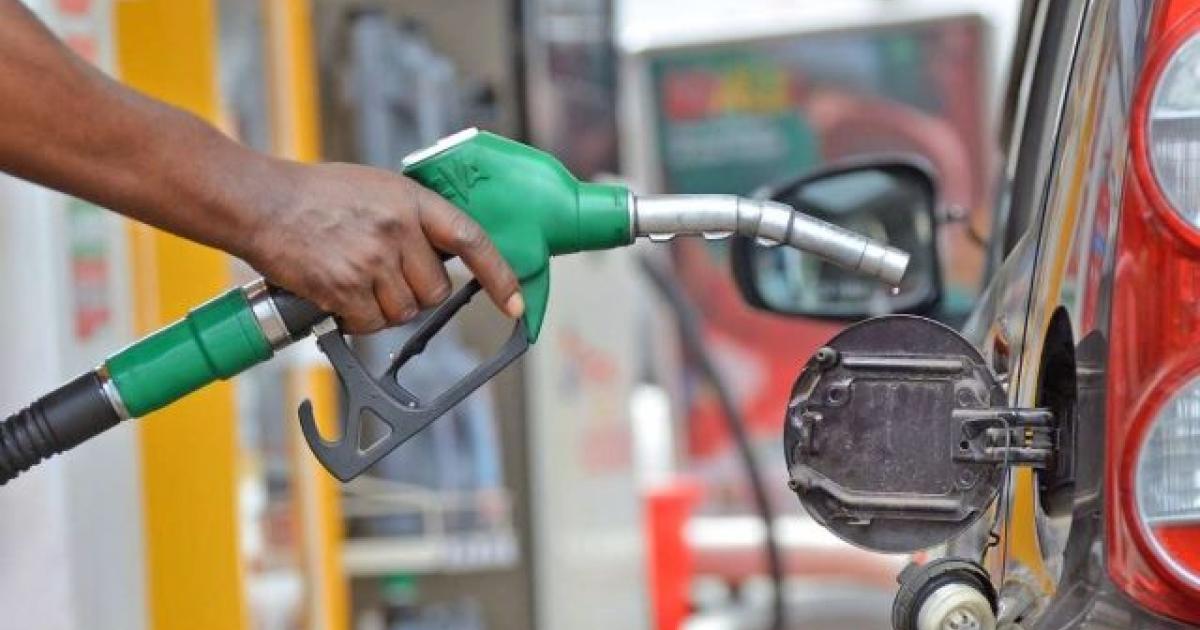
* When fuel prices are reduced, the traders are unwilling to reduce prices of their goods and services
* Especially minibus fares which creates an impression of greed and exploitation of poor consumers
By Duncan Mlanjira
Consumer Association of Malawi (CAMA) is appealing to traders to consider reducing prices of goods and services along with transporters to bring down minibus fares following the decrease of fuel pump prices.

Advertisement
On June 18, the Malawi Energy Regulatory Authority (MERA) announced the revision of pump prices of petrol at K5,619 from K6,209 (representing -9.50%); diesel at K6,306 from K6,687 (-5.70%); and kerosene at K4,771 from K5,709 (-16.43%).
In a statement, CAMA Executive Director, John Kapito says “there is always a rush to increase prices of goods and minibus fares when fuel prices have been increased”.
“However, it has been noted with concern that most times when fuel prices are reduced the same traders are unwilling to reduce prices of their goods and services — especially minibus fares which creates an impression of greed and exploitation of poor consumers.
“We are appealing to consumers to demand reductions and push traders to adhere to the same principles they use when fuel prices are adjusted upwards.
“We are, therefore, appealing to all traders and minibus operators to immediately reduce their prices and minibus fares as one way of building trust with consumers,” says Kapito in the statement.

John Kapito
In its public announcement, MERA indicated that it considered the recommendations of the Energy Pricing Committee to review petroleum prices whose adjustments were made on May 8, 2026 and since then the average Free on Board (FOB) prices of petrol, diesel and kerosene have decreased.
In June 2026, the FOB — which are daily average trading prices — road freight rates, raillage, insurance, handling, and in-transit losses (inbond landed costs (IBLC) plus levies and margins were the basis for the pump prices that was approved by the MERA Board.
Under the automatic pricing mechanism (APM), all the three products qualified for a price reduction as the IBLCs decrease were above the threshold of +-5% trigger band.
The announcement came a day after it was reported that inflation had decline from 24.3% to 23.4% — and in responding to these two economic developments, financial market analyst, Benedicto Bena Nkhoma observed that “good news rarely arrives alone”.
“When fuel prices fall, the cost pressure on businesses begins to ease,” he wrote on his most-followed ‘Inspirational and Motivational’ Facebook platform. “This should help inflation continue its downward trajectory over the coming months.
“Many people will celebrate lower fuel prices but investors and economists should be asking a bigger question: What does this mean for inflation and the economy going forward?”

Benedicto Bena Nkhoma
Nkhoma — a respected social media influencer on economic matters — added that the trend supports further declines in inflation since fuel affects almost everything in the economy as in costs for transport; distribution: manufacturing; farming; electricity generation, among several other factors.
He further analysed that food inflation, which has already declined from 19.1% to 17.6%, and that lower diesel prices reduce transportation cost of maize, distribution of fertilizer and movement of agricultural produce.
“This could place additional downward pressure on food prices. For ordinary households, this is where the biggest relief is likely to be felt,” he said.
He also observed that the Reserve Bank of Malawi (RBM) has gained more room as it has maintained the Policy Rate at 24%, saying: “If inflation continues falling in June and July, the argument for further interest rate reductions becomes stronger.

Reserve Bank of Malawi
“Lower interest rates could eventually mean cheaper borrowing; increased business activity; more private sector investment; and stronger economic growth.”
“What does this mean for investors? — This is where things become interesting. Historically, falling inflation and declining fuel costs are often positive for shares, property and businesses.
“Lower inflation generally leads to lower interest rates and lower financing costs [as] money begins moving from defensive assets into growth assets.”
He added that the Malawi Stock Exchange (MSE) “has experienced a difficult period over recent months — however, investors should remember that markets often recover before the economy fully recovers”.
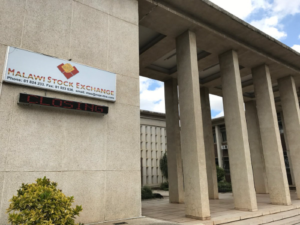
“If inflation continues to decline and interest rates eventually soften, quality businesses could become more attractive relative to fixed-income investments.
In its statement, MERA indicated that it will “continue to monitor the movements in petroleum market prices as the geopolitical conflict in the Middle East continues to have an impact on world prices of petroleum products and related supply chain costs”.
Nkhoma also observes the same, saying the biggest risk remains external — attesting to that the Middle East conflict “continues to create uncertainty in global oil markets”.
“If global oil prices spike sharply again, some of today’s gains could be reversed,” he said. “Malawi remains a net importer of fuel and, therefore, vulnerable to global energy shocks.

However, Nkhoma adds that “for the first time in a long while, several indicators are pointing in the same direction — inflation is falling; food prices are easing; fuel prices are falling; interest rates are stable; and the possibility of future rate cuts is increasing”.
“One month does not make a trend, but trends start somewhere. The question now is whether Malawi can maintain fiscal discipline, support production and exports, and build on this momentum.
“If that happens, the second half of 2026 could look very different from the past three years.”

Advertisement