

* Prior to the commencement of construction works, contractors shall be mandated to obtain insurance policies covering their liability in respect of third-party bodily injury, loss of life, or damage to proper arising from the works
* All owners of buildings accessible to the public — including tenement houses, lodges, and hostels — shall ensure their premises against risks including building collapse, fire, and natural disasters
By Duncan Mlanjira
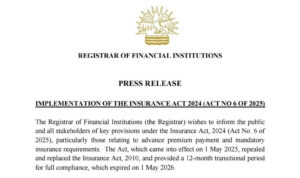
Following the repeal of the Insurance Act, 2010 — aimed at strengthening consumer protection, enhancing regulatory compliance, and safeguarding life, property, and economic activity — the Reserve Bank of Malawi (RBM) has introduced some mandatory insurance policies.

Advertisement
In a statement, the Registrar of Financial Institutions indicate that the mandatory insurance policies involve those for infrastructure under construction; public buildings; insurance fraud and on imports.
The repealed Act, which became into effect on May 1, 2025, replaced the Insurance Act, 2020, and provided a 12-month transitional period for full compliance, which expired on May 1, 2026.
On infrastructure under construction, the RBM highlights that Section 90 of the Act provides that all contractors registered with the National Construction Industry Council, or its successor authority, are required — prior to the commencement of works — shall be required to obtain insurance policies covering their liability in respect of third-party bodily injury, loss of life, or damage to proper t arising from the works.
“The obligation to maintain such insurance policies shall remain in force throughout the project period and shall only expire upon expiry of the project defects liability period.”
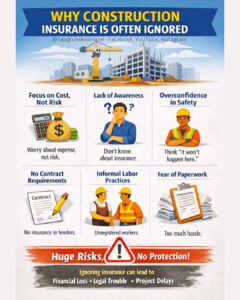
For public buildings, Section 91 requires that their owners shall to insure their premises against risks including building collapse, fire, and natural disasters — which must also cover liability for death or bodily injury and loss of or damage to property. This requirement, says the Registrar, applies to all buildings accessible to the public, including tenement houses, lodges, and hostels.
On fraud, the RBM indicates that Section 95 of the Act provides for stiffer penalties for perpetrators of insurance fraud, emphasising that the Act stipulates that any person who engages in an act or scheme amounting to insurance fraud commits and offence.
Such offence, upon conviction, perpetrators shall be liable to a fine K100 million or three times the amount defrauded or intended to be defrauded, whichever is greater, and to imprisonment for 10 years.

On mandatory insurance of imports, the RBM quotes Section 107(1), which requires that where goods imported into Malawi are insured, such insurance must be placed with a licensed insurer in Malawi.
Where an individual applies to a bank for payment of imported goods, the financial institution shall issue a letter of credit or similar instrument on a cost and freight basis.
The Registrar also highlighted advance premium payment for insurance policies, saying under Section 53 of the Act, it provides that policies must be paid in advance before commencement of the policy — however, this requirement shall not apply to a life insurance of a class other than group life insurance.
This means that insurance companies will not provide insurance cover to any person or any business unless the premium has been paid.
“Policy holders are, therefore, strongly advised to pay premiums promptly to ensure that their insurance cover remains valid and enforceable.”
The Registrar of the Financially Institutions, thus implores on the public and all stakeholders “to take note of these requirements and ensure timely compliance with the provisions, which are critical to promoting stable, transparent, and resilient insurance sector in Malawi”.

Advertisement
In April, when the Consumer-Association-of-Malawi-indicated-that-the-demand-for-insurance-cover-in-Malawi-is-the-lowest, and that there will always be a need to ensure that the majority of Malawians have access to insurance policies that cover their assets and lives, Malawian economic analyst based in Canada, Dr. James Kadyampakeni responded to indicate that “in a country that is very exposed to shocks, insurance in Malawi remains largely absent from everyday economic life”.
In his article published by Maravi Express on April 12, 2026; ‘Insurance-in-Malawi:-From-Afterthought-to-Economic-Necessity’, Kadyampakeni concluded that “expanding insurance is not optional — it is a strategic economic necessity”.
“The government must create demand through policy alignment and incentives, while the Reserve Bank ensures a stable, trusted, and innovative market. The goal is clear: move insurance from a niche financial service to a widely accessible safety net that protects households, sustains businesses, and shields the economy from recurring shocks.”
Dr. Kadyampakeni regularly comments on Malawi’s economy, governance, and politics. Insurance is one of his fortes and he is a registered broker in Canada. He also owns a brokerage where he writes for over 20 insurance companies from Lloyd’s of London to Wawanesa and Economical, some of the largest insurance providers in the world.

Advertisement