
By: Gabi Falanga
For the first time ever, a Malawian has been shortlisted for the Africa Prize for Engineering Innovation, run by the UK’s Royal Academy of Engineering, which recognizes ambitious African innovators who are developing scalable engineering solutions to local challenges. The 16-strong shortlist was announced today in Cape Town, South Africa.
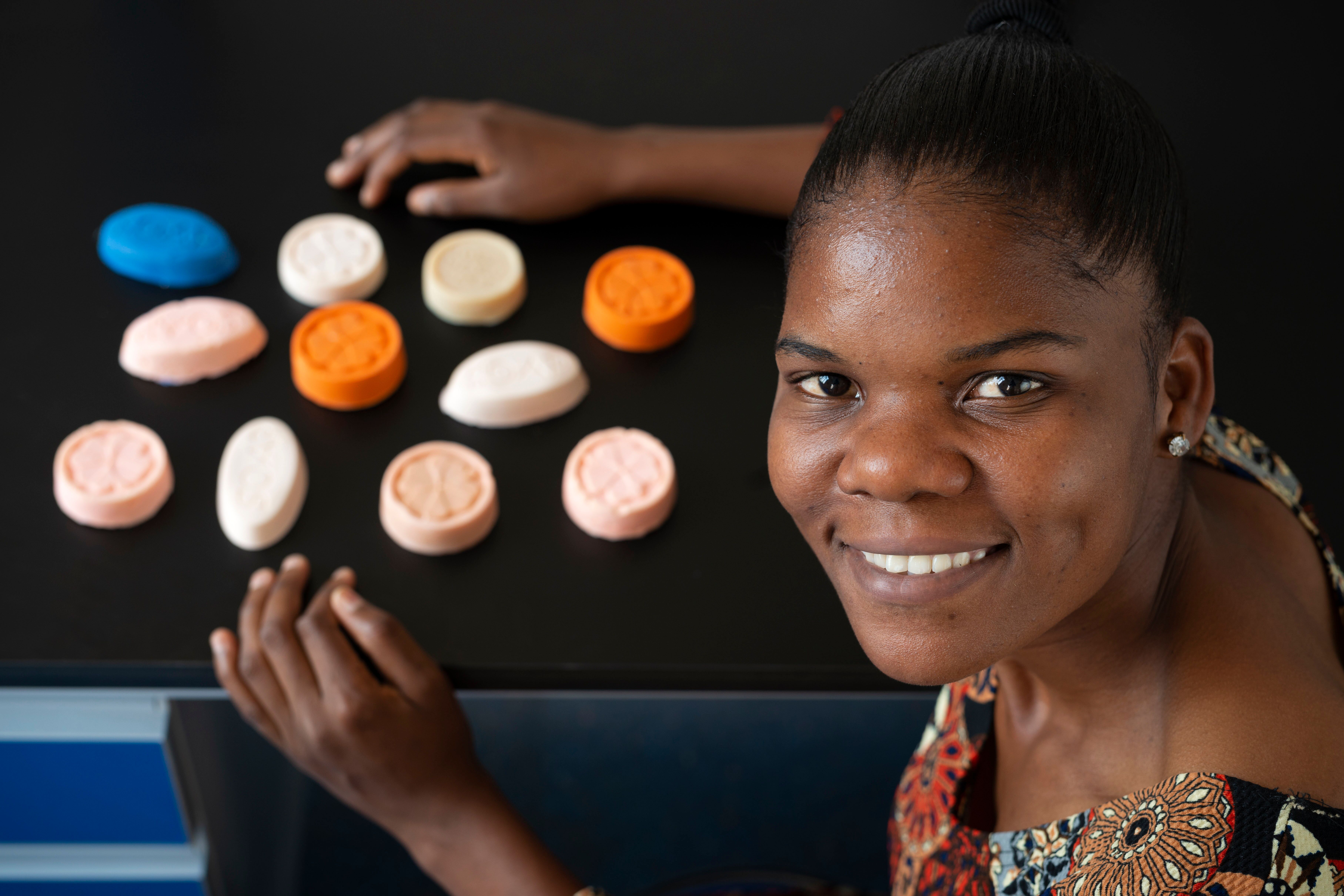
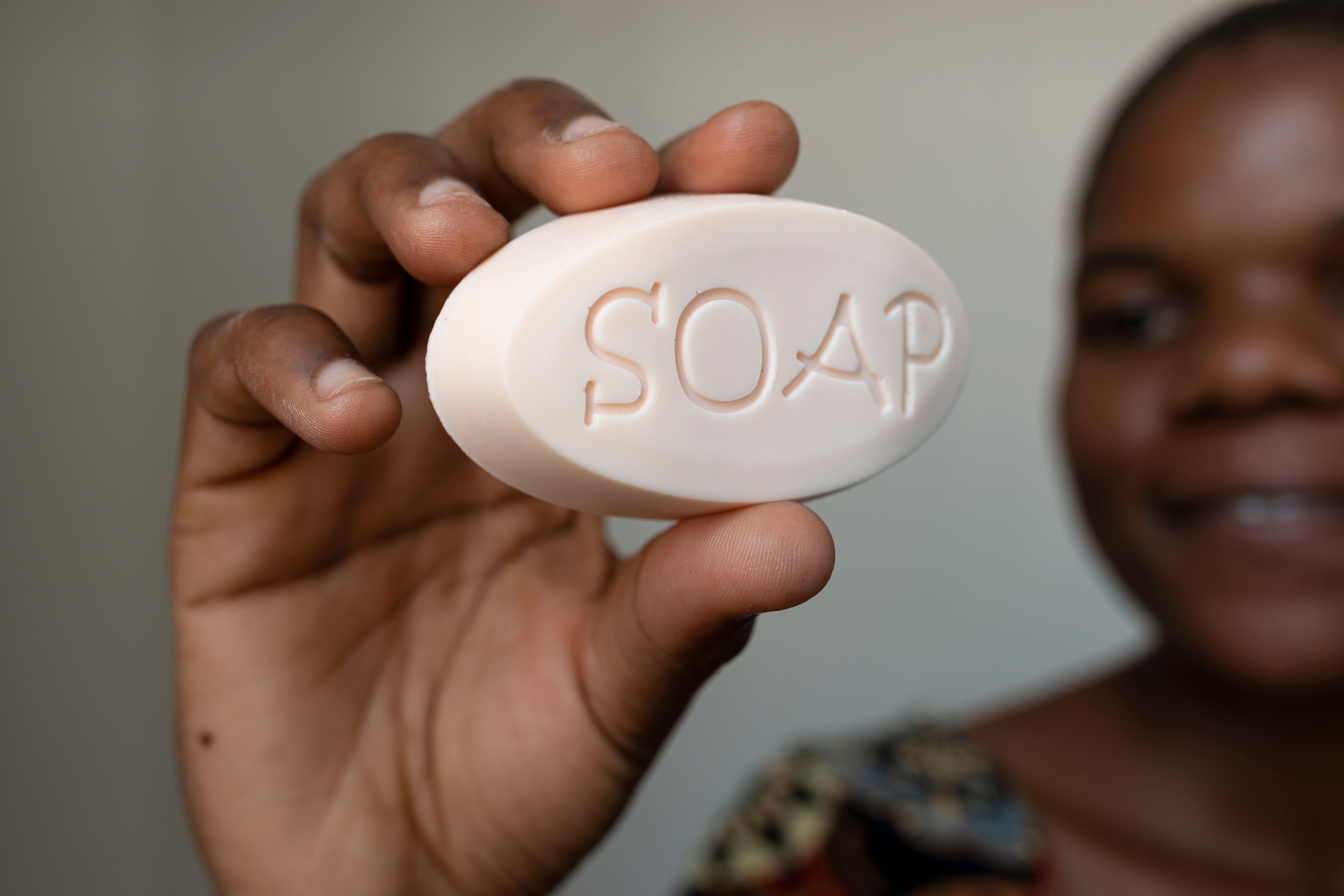
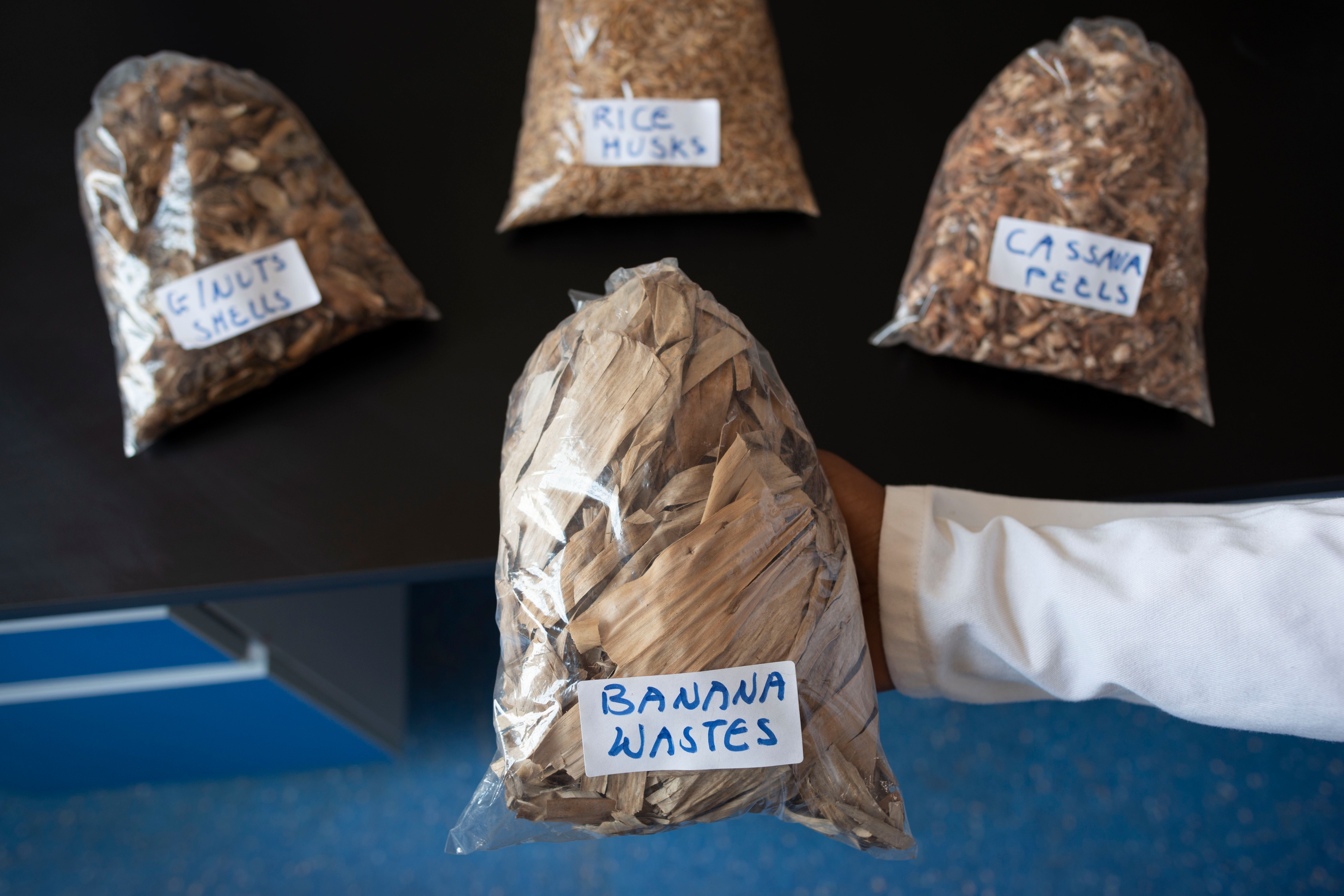
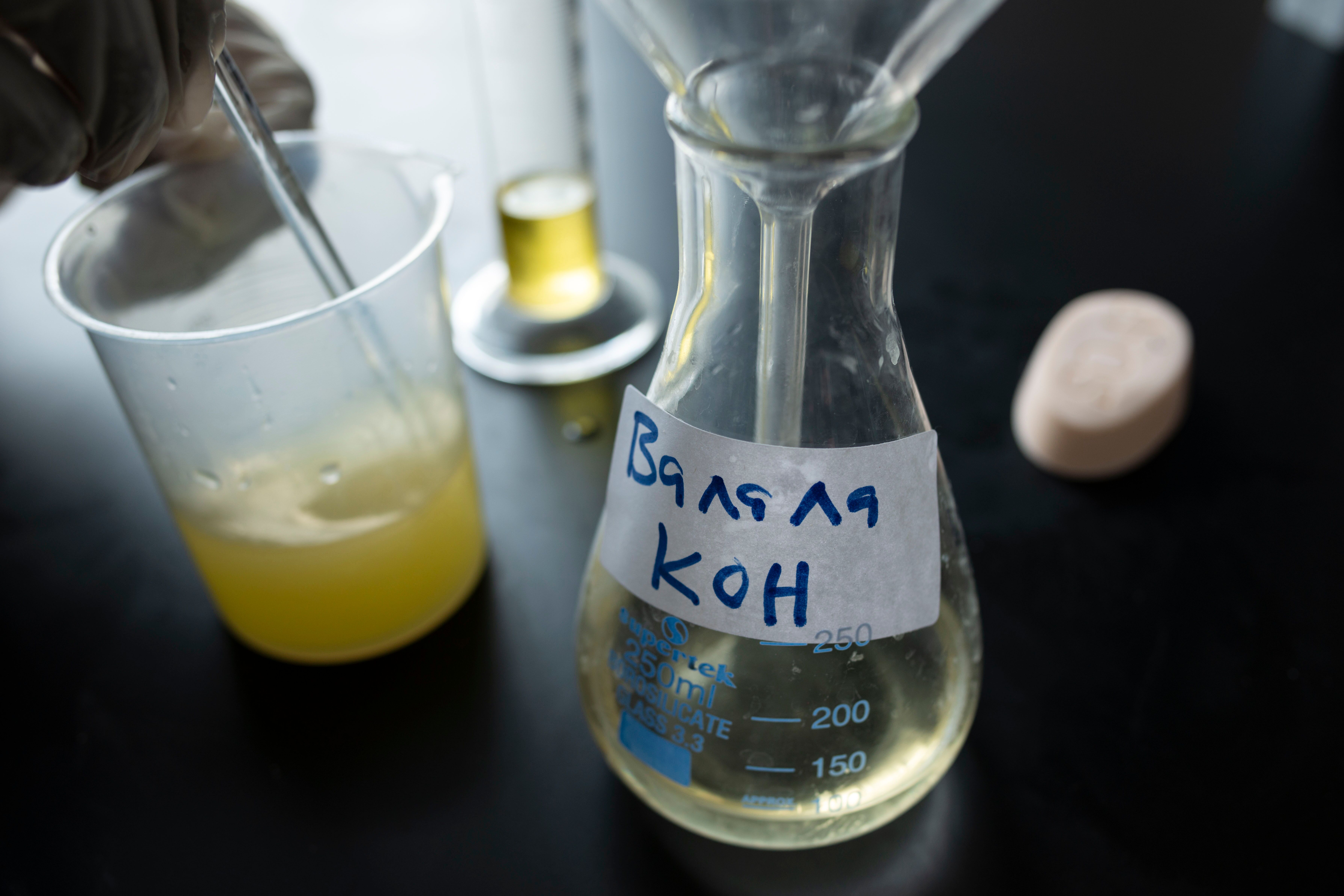
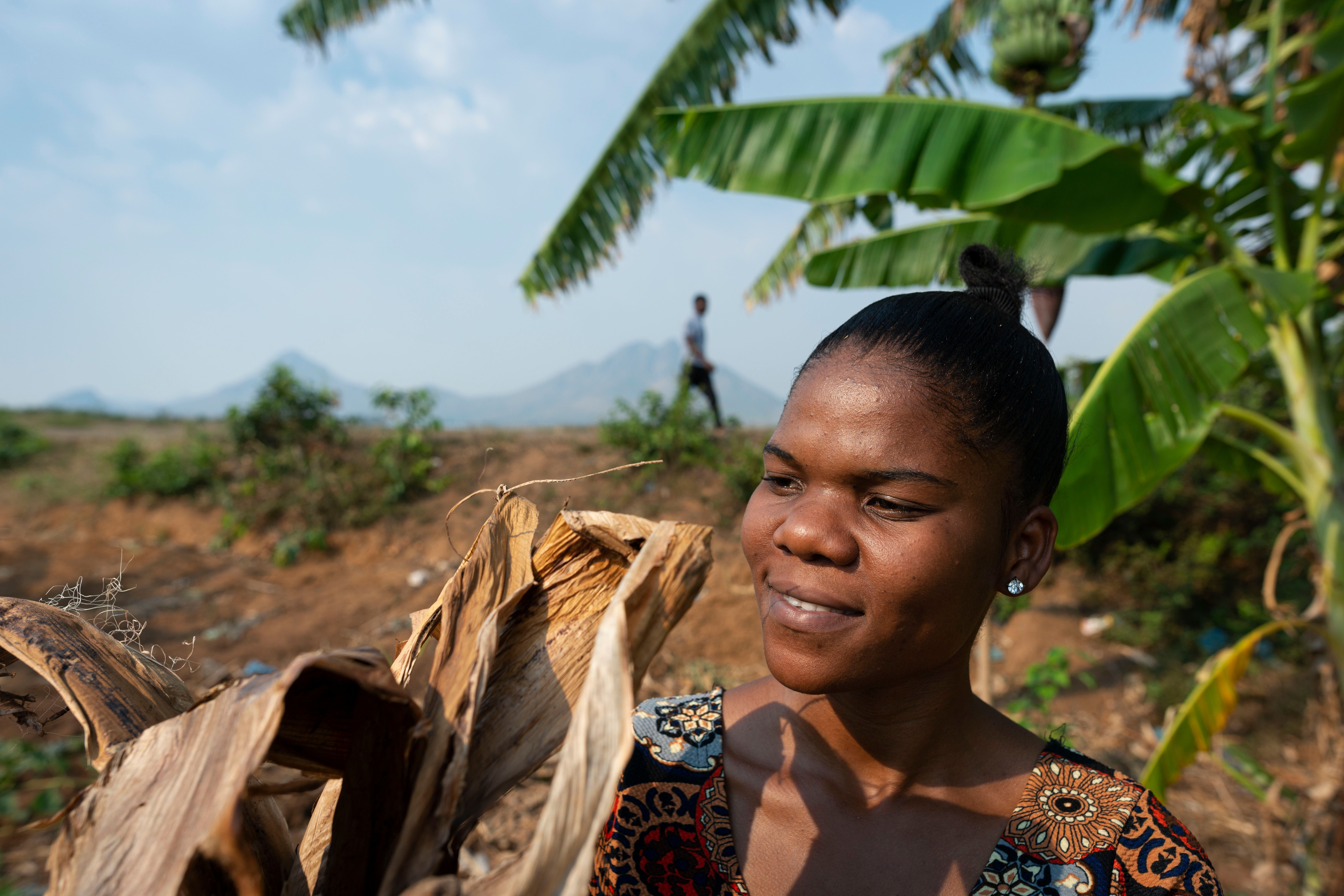
Catherine Chaima – one of six shortlisted women – developed Cathel, an affordable antibacterial soap made from agricultural waste and other plant-based extracts.

This year’s shortlist includes the creators of a smart library on wheels, a low-cost digital microscope to speed up cervical cancer diagnosis, bamboo bicycles made from recycled parts, and two innovations made from invasive water hyacinth plants: an animal feed and a cooking fuel.
The 2020 shortlist represents six countries, including, for the first time, Malawi.
Launched by the Royal Academy of Engineering in 2014, the annual Africa Prize awards crucial commercialization support to the innovators who are transforming their local communities. The Prize has a track record of identifying engineering entrepreneurs with significant potential, endorsing those who, with the support of the Prize, have gone on to achieve greater commercial success and social impact.
Alumni of the Prize are projected to impact over three million lives in the next five years and have already created over 1,500 jobs and raised more than $14 million in grants and equity.
A unique package of support will be provided to the shortlist over the next eight months to help them accelerate their businesses. The benefits of selection include comprehensive and tailored business training, bespoke mentoring, funding and access to the Academy’s network of high profile, experienced engineers and business experts in the UK and across Africa.
Following this period of support, four finalists are selected and invited to pitch their improved innovation and business plan to the judges and a live audience. A winner is selected to receive £25,000, and three runners up receive £10,000.
“For six years we have been humbled to work with African entrepreneurs who use engineering to shift how we think about problems, developing disruptive technologies for everything from energy and agriculture to housing, transport and finance,” said Rebecca Enonchong, Africa Prize judge and Cameroonian entrepreneur. “These are the local entrepreneurs who are transforming Africa, and we are once again honoured to guide and learn from the brightest minds chosen for the Africa Prize shortlist.”
The 2020 shortlist includes innovations disrupting essential industries for economic development, such as energy and agriculture. They range from a containerized system that uses burning biomass to preserve crops, a quick and accurate probe to measure humidity in grains, a set of apps that help prevent food waste, a heat storage system that allows rural schools to cook food quickly and easily without firewood, facial recognition software to prevent financial fraud, and an anti-bacterial soap that makes use of discarded crop waste.
This year also features a number of innovations to improve energy access, such as a solar grid management system that helps users manage energy use remotely, and an off-grid power and refrigeration system gets small commercial operations in arid, rural regions operating on par with those in cities.
Recycling is also a theme, as the list also sees a water filtration process that uses waste like bones and coconut shells to provide safe drinking water without expensive equipment, and a set of digital and hardware tools to control the collection, sale and shredding of recyclable plastics.