* Some suggest that the government, through Directorate of Road Traffic & Safety Services (DRTSS), should first offer alternatives p to areas where buses do not operate
* The law is the law, this is true but from the 50 plus years I’ve been on mother Earth, buses and minibuses have killed many people in Malawi compared to lorries and pickups which operate on bad conditions of roads in rural areas roads
* However, others defend the DRTSS, saying it’s when we lose our loved ones, that we will realise safety is paramount — life lost is never replaced
By Duncan Mlanjira
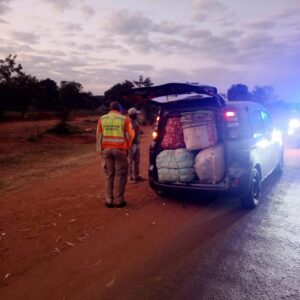
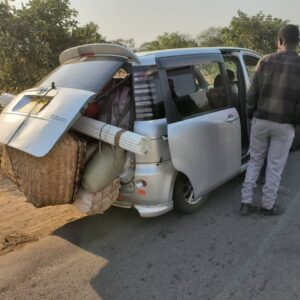
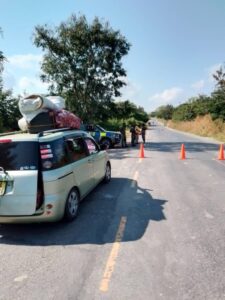
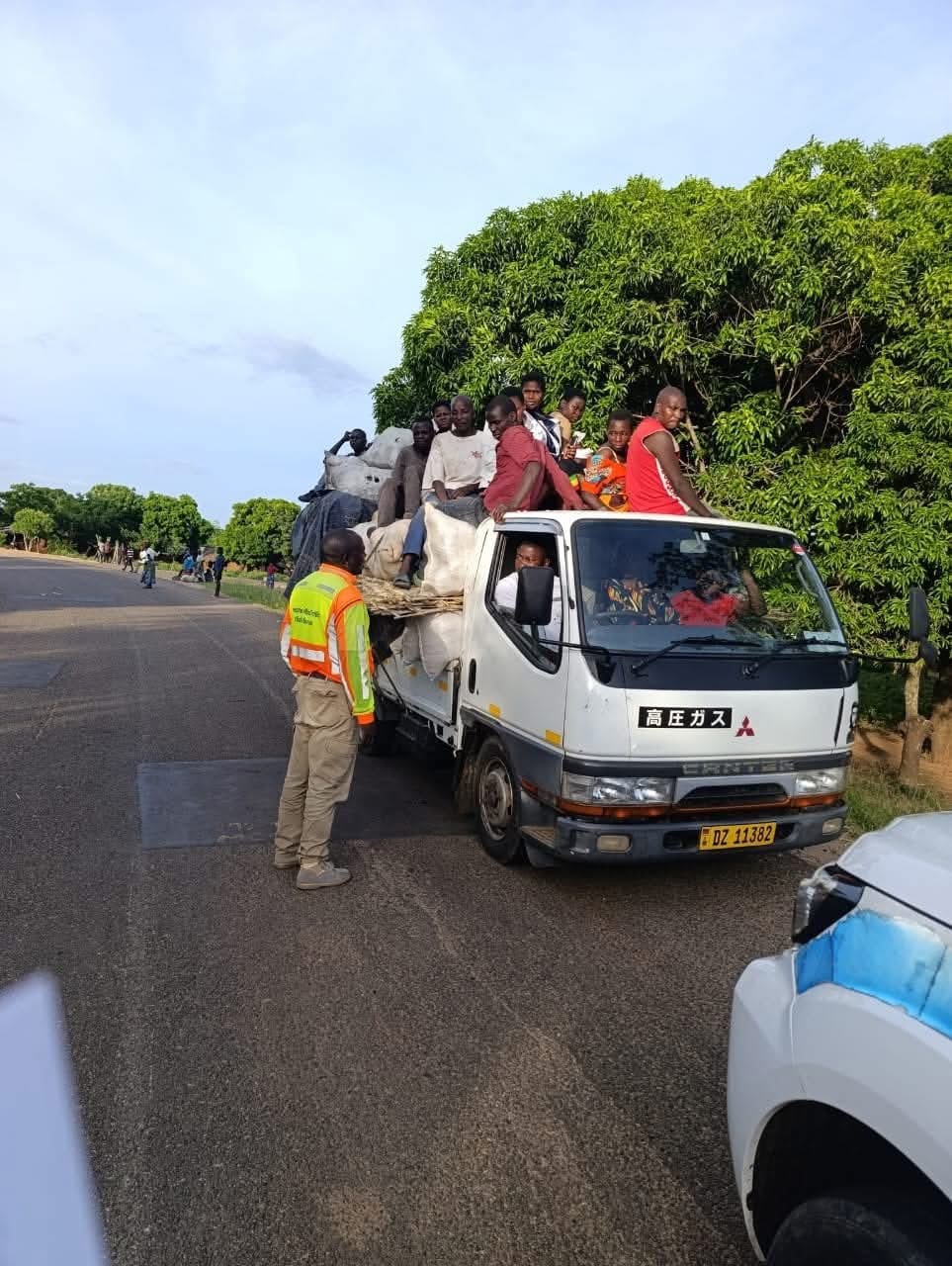
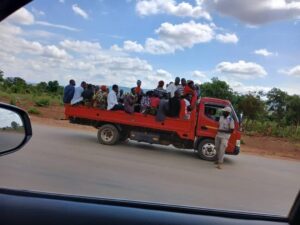
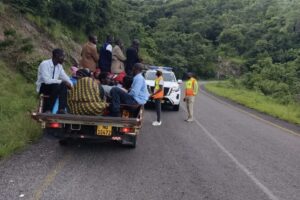
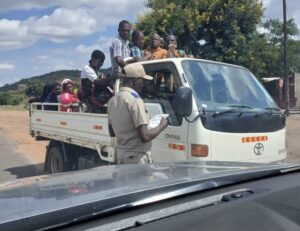
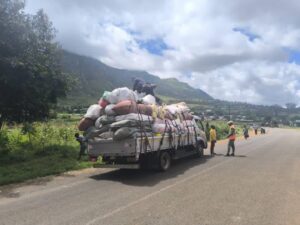
Use of open vehicles, lorries and pickups, to ferry people while also carrying cargo is a death trap, as according to public road traffic regulations but its re-enforcement by the Directorate of Road Traffic & Safety Services (DRTSS) has been met with mixed reactions from members of the public on social media.

Advertisement
The message from the DRTSS is “sakhani mayendedwe abwino — osakwela kumbuyo kwa ma lole. Kukwera galimoto pambalambanda ndi msampha wa imfa, kwerani galimoto zotetezeka (choose safe travel arrangements — don’t choose to be ferried on open lorries, prefer safe vehicles”).
However, responses from the public suggest that the government — through the DRTSS, should first offer alternatives to areas where buses do not operate, giving an example of Chapananga in Chikwawa where there is no minibus passenger service.
“Mukuti safety, ndiye ngati boma osatibwetsera ma bus tizikwera bwanji? Bring us alternatives. Osamangoletsa zinthu popanda solution (you are advocating for safety yet the government is not bringing buses as an alternative. Don’t just enforce without offering solutions”), indicates a post on Facebook.
Benedicto Makumba responded to indicate that it’s very challenging to reach places where no minibus operates and gave an example that Chapananga in Chikwawa people use lorries to cover some 126km because no minibuses or taxis operate there.
He indicated that the government should provide alternatives before enforcing the traffic laws while Andrew Wausa Tembo agreed that “the law is the law, but from the 50 plus years [he has] been on mother Earth, buses and minibuses have killed many people in Malawi compared to lorries and pickups which operate on bad conditions of roads in rural areas roads”.
However, others defend the DRTSS, saying “it’s when we lose our loved ones, that we will realise safety is paramount — life lost is never replaced”, while Isaac Matola maintained that the DRTSS “enforces laws and regulations but safety belong to [the public] by ensuring if the vehicle one is getting in road-worthy”.
Charles Banda argued that there is need to “understand the word ‘safety’ and everything would be understood” while Fatsani Masangwi responded by saying the government should not be tasked to buy buses but to provide good roads for public transportation to flourish, saying it’s business people who are supposed to operate commuter transportation.
Nathan Brian indicated that the DRTSS and the Malawi Police traffic department is mandated to provide safety, while emphasising that the public should not vent their frustration on law enforcement just because they have flouted the law.
Japhet Joe Thondolo suggested that if the public is not comfortable with the existing laws, then they need to engage the legislators to change the traffic regulations in Parliament, emphasising that the DRTSS and the Malawi Police traffic department only follow the law.
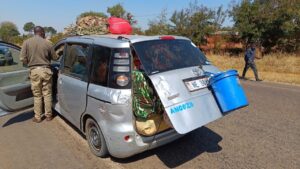
More traffic safety regulations used by Toyota Sienta taxi operators